










China Supply Chain Risks: 7 Key Threats & Mitigation Strategies
Every OEM brand sourcing from China faces supply chain risks. This guide covers 7 major China supply chain risks - from quality substitution to currency exposure - with concrete mitigation strategies that experienced importers apply daily.
Key Takeaways
- The 7 primary China supply chain risks: quality substitution, IP theft, capacity constraints, logistics disruption, currency/payment risk, compliance gaps, and single-source dependency
- Quality substitution—changing approved components after sampling—can lead to defects, returns and inconsistent products. Use clear specifications, change controls and inspection to detect it before shipment.
- Set safety stock for core SKUs using demand, replenishment lead time, variability and cash-flow needs; treat 60–90 days as a planning scenario to evaluate, not a universal minimum.
- Chinese New Year can disrupt production before and after the official holiday. Confirm each supplier’s closure, order cut-off and restart dates, then work back from the required arrival date.
- Qualify a backup source for critical products or components, including specifications, tooling access, testing and a realistic production plan.
- A long-term OEM partnership can improve communication, traceability and issue resolution. Keep specifications, verification and contingency planning in place as the relationship grows.
China supply chain risks are manageable when you turn them into specific controls: approved specifications, supplier checks, inventory planning, verified payment details and clear responsibilities. This guide shows how to assess seven common risk areas and choose measures that fit your products, order volume and sales channels.
| # | Risk | Likelihood | Business Impact | Mitigation Effort |
|---|---|---|---|---|
| 1 | Quality Substitution | High | High | Medium |
| 2 | IP Theft | Medium | High | Medium |
| 3 | Capacity & Lead Time Risk | High | Medium | Low |
| 4 | Logistics Disruption | Medium | Medium | Low |
| 5 | Currency & Payment Risk | Low-Med | Medium | Low |
| 6 | Regulatory Compliance Gap | Medium | High | Medium |
| 7 | Single-Source Dependency | Low | High | High |
Risk 1: Quality Substitution After Sampling
Mitigation Strategies
- Approved sample and specification: Identify the agreed reference sample in the OEM contract, retain signed or traceable samples, and define measurable requirements, inspection methods and change approval. A sample alone does not document every performance or compliance requirement.
- Pre-shipment inspection: Agree an inspection plan for production lots, including appropriate sampling, functional checks and acceptance criteria. Providers such as SGS, Bureau Veritas or Intertek can quote for the required scope; inspection does not replace product qualification.
- Specify component suppliers by name: List your approved motor, battery, and PCB suppliers in the OEM contract. Any substitution requires written approval and new QC sign-off.
- Local quality support: Where order frequency and risk justify it, use a qualified local representative to review production and report issues. Obtain a quote for the actual scope, travel and time rather than assuming a monthly rate.

Risk 2: IP Theft - A High-Impact China Supply Chain Risk in OEM Relationships
Mitigation Strategies
- NNN agreement first: Agree appropriate confidentiality, permitted-use and non-circumvention terms before sharing proprietary design data. See our NNN agreement guide for the issues to address in a China manufacturing contract.
- Plan Chinese trademark filings and assess patent protection before disclosing valuable designs. Registration scope, eligibility, timing and fees depend on the rights sought; obtain a quote from an appropriately qualified adviser or agency.
- Controlled information sharing: Give each supplier the information needed for its role while ensuring the responsible teams retain the specifications required for integration, safety and quality checks.
- Tooling ownership and access: State in the contract who owns custom molds, who may use them, how they are identified and maintained, and what happens to them when the relationship ends.
Risk 3: Production Capacity & Lead Time - Critical China Supply Chain Risk in Peak Season
Mitigation Strategies
- Production planning: Confirm capacity, component availability, production milestones and the required ship date in writing. If agreeing delay remedies, define the trigger, calculation and contract conditions; a fixed weekly percentage is not a universal standard.
- Safety stock: Model coverage for your best-selling SKUs using actual demand and lead-time variability. Compare a 60–90-day scenario with its holding costs, cash requirements and risk of obsolete inventory.
- Holiday planning: Confirm the supplier’s actual Chinese New Year closure and restart schedule, including component suppliers and freight cut-offs. October–November ordering may suit some spring deliveries, but the right date depends on the project’s full lead time.
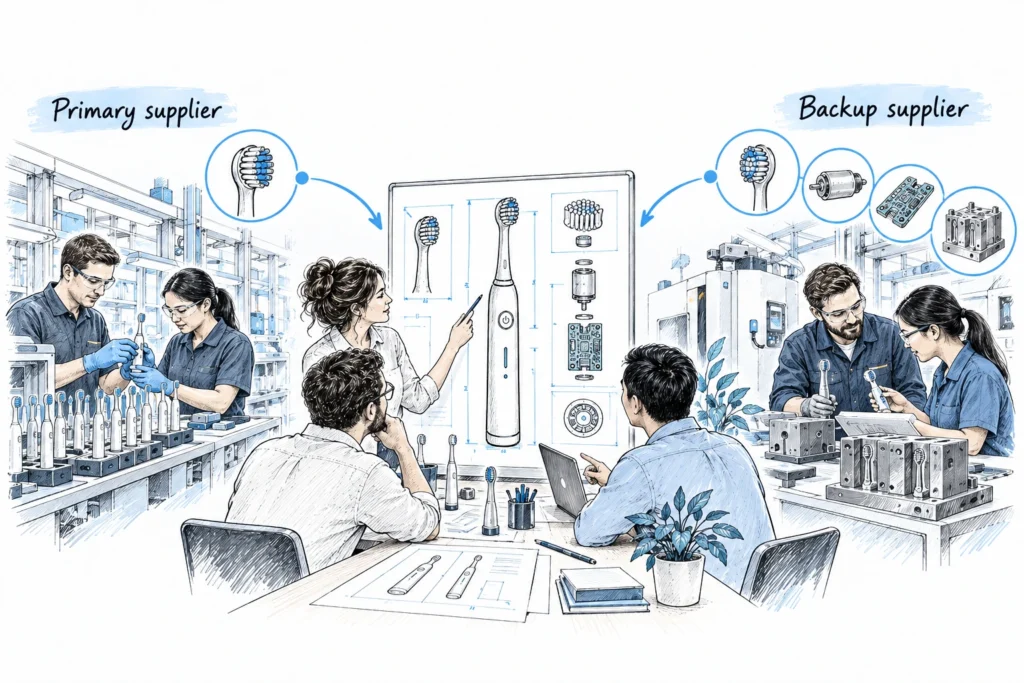
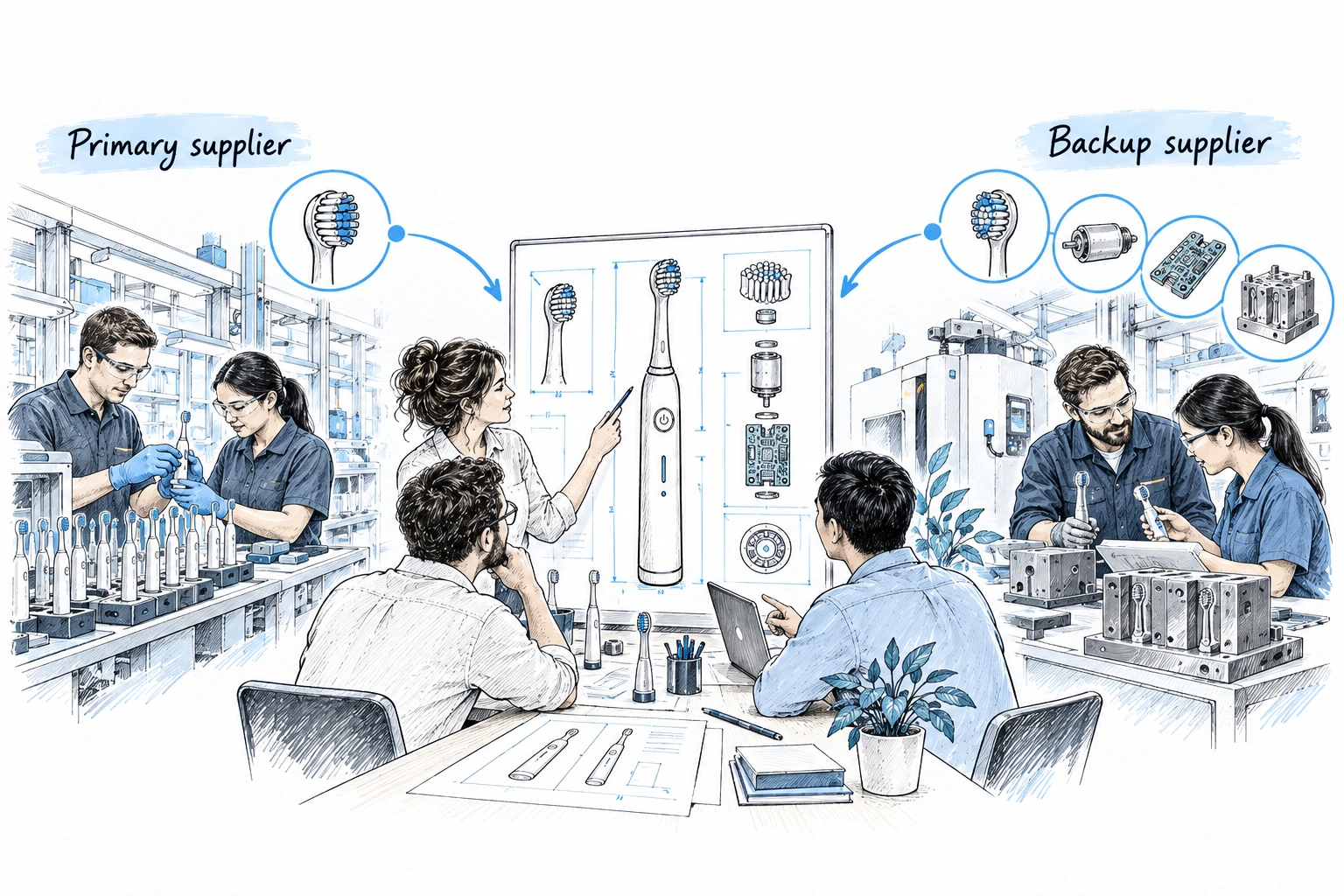
- Backup-source qualification: Verify that a second factory can meet the same specifications, compliance requirements and quality criteria, and establish a realistic lead time for transferring or starting production.
Illustrative Seasonal Planning Calendar: Confirm Dates with Each Supplier
Need a Risk Assessment for Your China Supply Chain?
Relish Technology's OEM team provides a complimentary supply chain risk review for brands evaluating their first or next China manufacturing partner.
Schedule a Risk Review CallRisk 4: Logistics & Freight Disruption - Planning Around China Supply Chain Risks
Mitigation Strategies
- Book freight early enough for the chosen route and shipment date, especially during peak periods. Confirm current rates, surcharges, booking validity and space with the forwarder; a booking is not a guarantee against disruption.
- Assess alternative ports: Yantian, Nansha or Hong Kong may offer options, depending on the route, carrier, cargo and documentation. Check inland transport and customs arrangements before switching.
- Cargo insurance: Obtain cover suited to the goods, route and insured value. Check exclusions, deductibles and claims requirements with the insurer. For lithium batteries, separately confirm applicable air or sea dangerous-goods rules and UN 38.3 test-summary requirements; insurance does not replace transport compliance.
- Freight-forwarder coordination: Use a forwarder familiar with your product and route to check documentation, monitor bookings and assess alternatives. Customs clearance and available space remain subject to the authorities and carriers.
- Urgent replenishment options: Compare air freight or other alternatives for small urgent shipments using actual quotes and battery-transport eligibility. Include the extra cost in the decision rather than assuming a fixed cost multiple.
Risk 5: Currency & Payment - Managing Financial China Supply Chain Risks
Mitigation Strategies
- Contract currency: Agree the pricing currency, quotation validity and any price-adjustment rules. USD pricing may reduce one party’s direct currency exposure, but it does not remove currency risk throughout the supply chain.
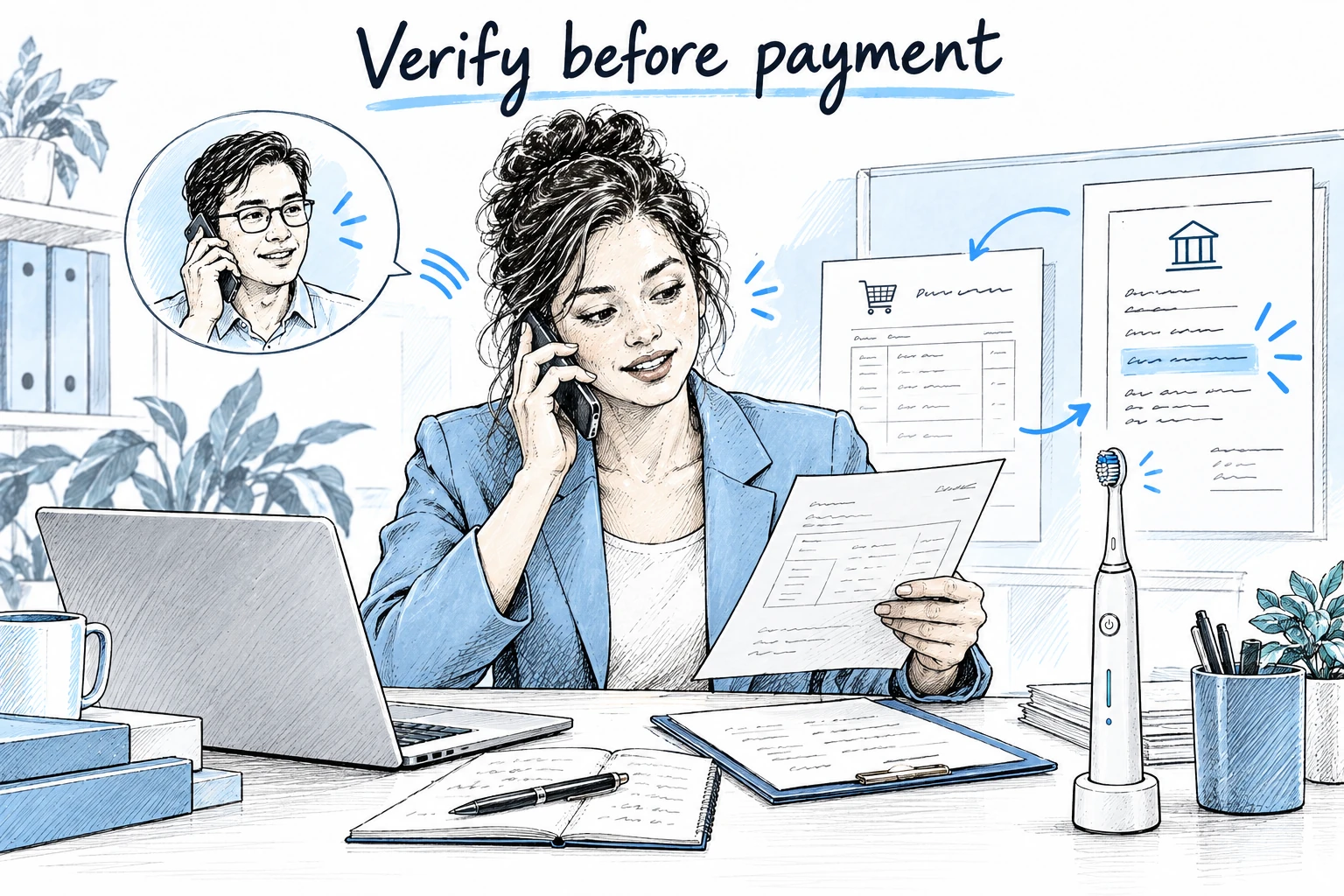
- Payment verification: Confirm the beneficiary and bank details through an established supplier contact and a separately verified phone number, especially when details change. Do not rely on an email alone to approve a new account.
- Payment structure: A 30% deposit and 70% balance against agreed shipping documents is one negotiable arrangement. State the documents, inspection conditions, release steps and payment dates in the contract. For new suppliers, assess an eligible platform protection service or letter of credit on its actual terms and fees.
- Currency planning: Where foreign-currency exposure is material, discuss suitable arrangements with your bank or finance adviser. A forward contract can fix an exchange rate for an agreed amount and date, but creates obligations; eligibility, cost and terms vary.
Risk 6: Regulatory Compliance Gaps - A High-Impact China Supply Chain Risk at Customs
Mitigation Strategies
- Confirm regulatory scope: Identify the requirements for the actual product, market and business role. FDA registration or listing, CE conformity, PSE or RCM obligations are different processes, rather than interchangeable certificates. See our OEM certifications guide.
- Verify applicable evidence: Check model-specific test reports, declarations and other required records. For oral-hygiene electrical appliances, IEC 60335-1 and IEC 60335-2-52 may be relevant; battery transport requires applicable UN 38.3 evidence. Check RoHS/REACH obligations for the product and materials. ISO 13485 certification supports a defined quality-management scope, not automatic approval of every product.
- Destination-market label review: Have a competent person assess packaging artwork and instructions against the product’s actual requirements before printing. A forwarder can assist with shipping documents but may not provide a full product-regulatory review.
- Monitor relevant changes: Follow updates for the product’s actual category and target market, including applicable FDA, EU and marketplace requirements. EU medical-device rules apply only where the product falls within their scope.
Risk 7: Single-Source Dependency and Continuity Planning
Mitigation Strategies
- Qualify a backup source: Prepare a second source for critical SKUs or components where feasible. Confirm specifications, sample approval, compliance documents, tooling availability and the time and cost needed to start production.
- Inventory for single-source items: Set coverage around demand, recovery time and replenishment risk. A 90-day or longer scenario may be worth assessing, but balance availability against cash needs, storage and obsolescence.
- Diversify where practical: As volume grows, assess a second qualified manufacturer for suitable new SKUs. Keep compatible specifications and supplier oversight in place rather than moving orders solely to create another relationship.
- Tooling records and continuity: Retain authorized copies of mold specifications, drawings and maintenance records. Confirm ownership, access and transfer arrangements; replacement tooling still requires manufacture, qualification and validation.
Frequently Asked Questions
Reduce China Supply Chain Risks with a Proven Partner
Relish Technology has served 300+ brands over 15 years with zero major supply chain incidents. ISO 13485 certified, pre-shipment inspection included, and NNN agreements as standard. Start with a sample order and discuss the checks for your project.
Request a Risk Assessment CallReferences & Sources
- McKinsey Global Institute. (2020). Risk, resilience, and rebalancing in global value chains. Source: https://www.mckinsey.com/capabilities/operations/our-insights/risk-resilience-and-rebalancing-in-global-value-chains
- International Trade Administration. Shipping Options: freight forwarders, insurance and shipping responsibilities. Source: https://www.trade.gov/shipping-options
- FBI Internet Crime Complaint Center. (2024). Business Email Compromise: The $55 Billion Scam. Reported domestic and international exposed losses from October 2013 to December 2023, not annual importer losses. Source: https://www.ic3.gov/PSA/2024/PSA240911
- International Trade Administration. Foreign Exchange Risk: contract currency and forward contracts. Source: https://www.trade.gov/foreign-exchange-risk
- IATA. Dangerous Goods: battery transport guidance. Source: https://www.iata.org/en/programs/cargo/dangerous-goods