










Approvisionnement en Chine : 7 risques et leurs solutions
Toute marque qui fait fabriquer ses produits en OEM en Chine doit anticiper les risques de sa chaîne d’approvisionnement. Ce guide présente sept risques majeurs, de la substitution de composants aux variations de change, ainsi que les mesures concrètes qu’appliquent au quotidien les importateurs expérimentés.
Les points à retenir
- Sept risques majeurs à anticiper : substitution de composants, atteinte à la propriété intellectuelle, capacité de production insuffisante, perturbations logistiques, change et paiements, non-conformité réglementaire et dépendance à un fournisseur unique.
- Des composants remplacés après validation de l’échantillon peuvent entraîner des défauts, des retours et une qualité irrégulière. Définissez les spécifications et la procédure d’approbation des modifications, puis prévoyez une inspection avant expédition.
- Déterminez le stock de sécurité de vos références clés selon la demande, le délai de réapprovisionnement, leur variabilité et votre trésorerie. Une couverture de 60 à 90 jours est un scénario à étudier, pas un minimum valable pour toutes les entreprises.
- Le Nouvel An chinois peut perturber la production avant et après les jours fériés officiels. Confirmez les dates de fermeture, les échéances de commande et la reprise de chaque fournisseur, puis remontez le calendrier à partir de la date de réception souhaitée.
- Pour qualifier une autre source de produits ou de composants critiques, vérifiez les spécifications, l’accès aux moules et outillages, les essais requis et un calendrier de production réaliste.
- Un partenariat OEM durable peut améliorer la communication, la traçabilité et la résolution des problèmes. Maintenez la maîtrise des spécifications, les vérifications et les plans de continuité à mesure que la relation se développe.
Les risques d’approvisionnement en Chine se gèrent par des mesures concrètes : spécifications approuvées, évaluation des fournisseurs, planification des stocks, vérification des paiements et responsabilités clairement établies. Ce guide vous aide à évaluer sept risques courants et à choisir les mesures adaptées à vos produits, volumes et canaux de vente.
| # | Risque | Probabilité | Impact sur l’activité | Effort nécessaire |
|---|---|---|---|---|
| 1 | Substitution de composants | Élevée | Élevé | Moyen |
| 2 | Atteinte à la propriété intellectuelle | Moyenne | Élevé | Moyen |
| 3 | Capacité de production et délais | Élevée | Moyen | Faible |
| 4 | Perturbations logistiques | Moyenne | Moyen | Faible |
| 5 | Risques de change et de paiement | Faible à moyenne | Moyen | Faible |
| 6 | Non-conformité réglementaire | Moyenne | Élevé | Moyen |
| 7 | Dépendance à un fournisseur unique | Faible | Élevé | Élevé |
Risque 1 : substitution de composants après validation des échantillons
Mesures de réduction du risque
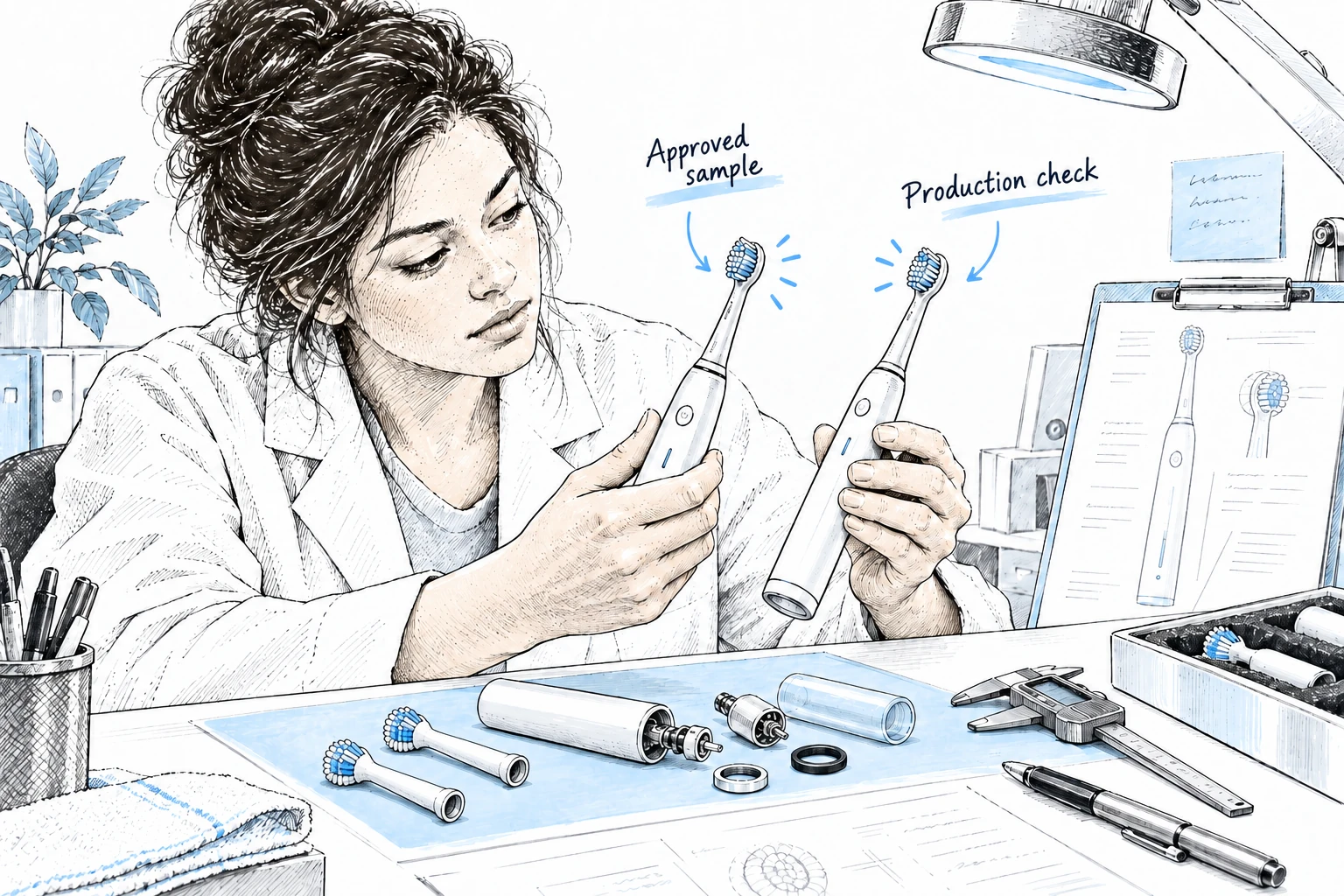
- Échantillon et spécifications approuvés : Identifiez l’échantillon de référence convenu dans le contrat OEM, conservez des exemplaires signés ou traçables et définissez les exigences mesurables, les méthodes d’inspection et l’approbation des modifications. Un échantillon ne documente pas à lui seul toutes les exigences de performance ou de conformité.
- Inspection avant expédition : Convenez d’un plan d’inspection des lots de production avec un échantillonnage adapté, des contrôles fonctionnels et des critères d’acceptation. Des prestataires tels que SGS, Bureau Veritas ou Intertek peuvent établir un devis pour le périmètre requis. L’inspection ne remplace pas la qualification du produit.
- Fournisseurs de composants désignés : Indiquez dans le contrat OEM les fournisseurs approuvés pour les moteurs, batteries et circuits imprimés. Tout remplacement exige une autorisation écrite et une nouvelle validation qualité.
- Appui qualité local : Si la fréquence des commandes et le niveau de risque le justifient, faites appel à un représentant local compétent pour suivre la production et signaler les problèmes. Demandez un devis selon le périmètre réel, les déplacements et le temps nécessaire, sans présumer d’un tarif mensuel.
Risque 2 : atteinte à la propriété intellectuelle dans une relation OEM
Mesures de réduction du risque
- Accord NNN avant tout partage : Convenez de clauses adaptées de confidentialité, d’utilisation autorisée et de non-contournement avant de partager des données de conception propriétaires. Notre guide des accords NNN présente les points à traiter dans un contrat de fabrication en Chine.
- Préparez le dépôt de vos marques en Chine et étudiez la protection par brevet avant de dévoiler des créations de valeur. L’étendue de la protection, les conditions d’éligibilité, les délais et les frais dépendent des droits recherchés. Demandez un devis à un conseil ou à une agence disposant des compétences requises.
- Partage maîtrisé des informations : Donnez à chaque fournisseur les informations nécessaires à son rôle, tout en veillant à ce que les équipes responsables conservent les spécifications requises pour l’intégration, la sécurité et les contrôles qualité.
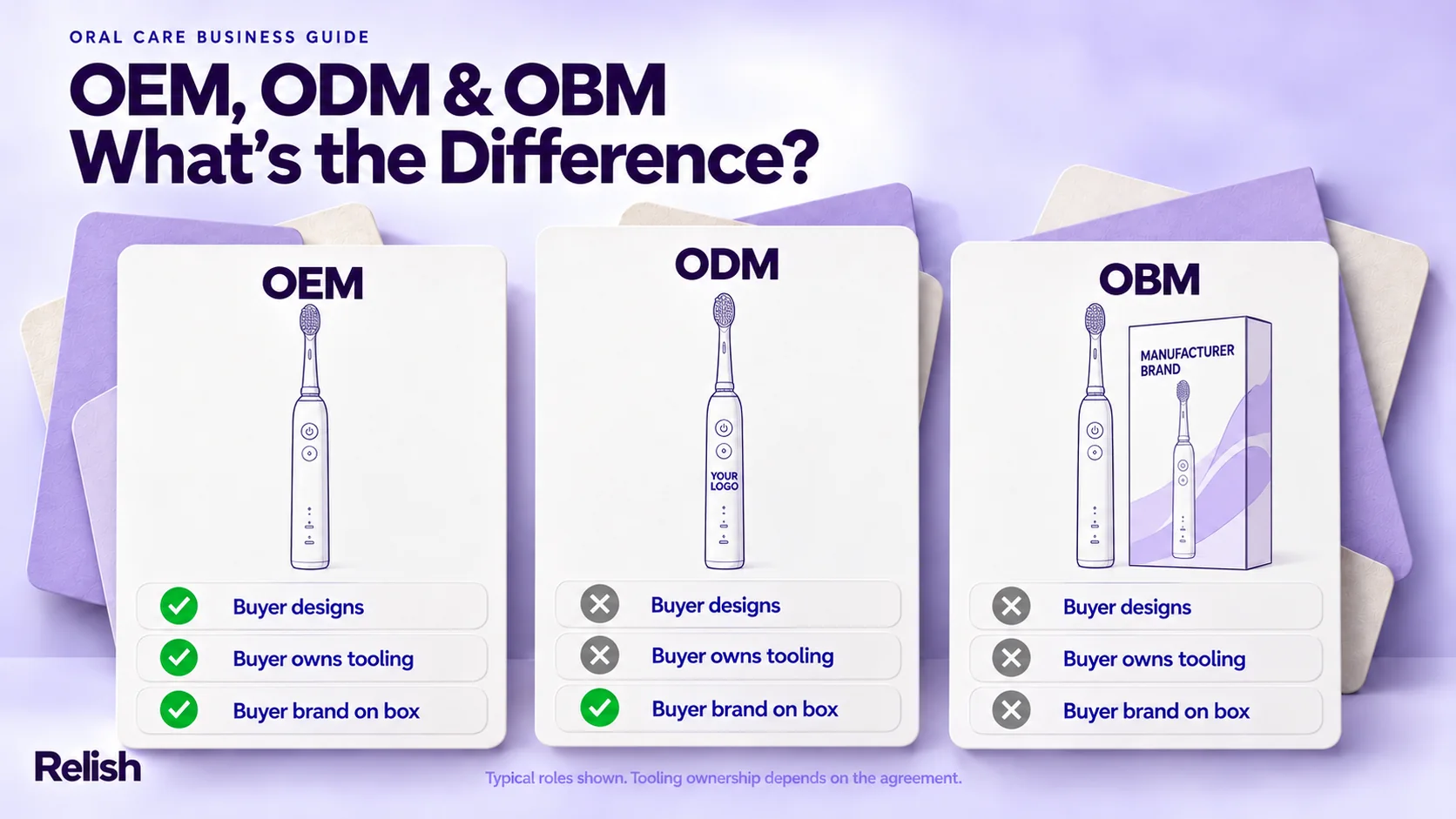
- Propriété et accès à l’outillage : Précisez dans le contrat à qui appartiennent les moules sur mesure, qui peut les utiliser, comment ils sont identifiés et entretenus, et ce qu’ils deviennent à la fin de la relation.
Risque 3 : capacité de production et délais en haute saison
Mesures de réduction du risque
- Planification de la production : Confirmez par écrit la capacité, la disponibilité des composants, les jalons et la date d’expédition requise. Si vous convenez de mesures compensatoires en cas de retard, précisez leur déclenchement, leur calcul et les conditions contractuelles. Un pourcentage hebdomadaire fixe n’est pas une norme universelle.
- Stock de sécurité : Calculez la couverture de vos meilleures ventes à partir de la demande réelle et de la variabilité des délais. Comparez un scénario de 60 à 90 jours aux coûts de stockage, aux besoins de trésorerie et au risque d’obsolescence.
- Planification des congés : Confirmez les dates réelles de fermeture et de reprise du Nouvel An chinois, y compris chez les fournisseurs de composants, ainsi que les dernières dates d’expédition. Une commande en octobre ou novembre peut convenir à certaines livraisons de printemps, mais la bonne date dépend du délai total du projet.
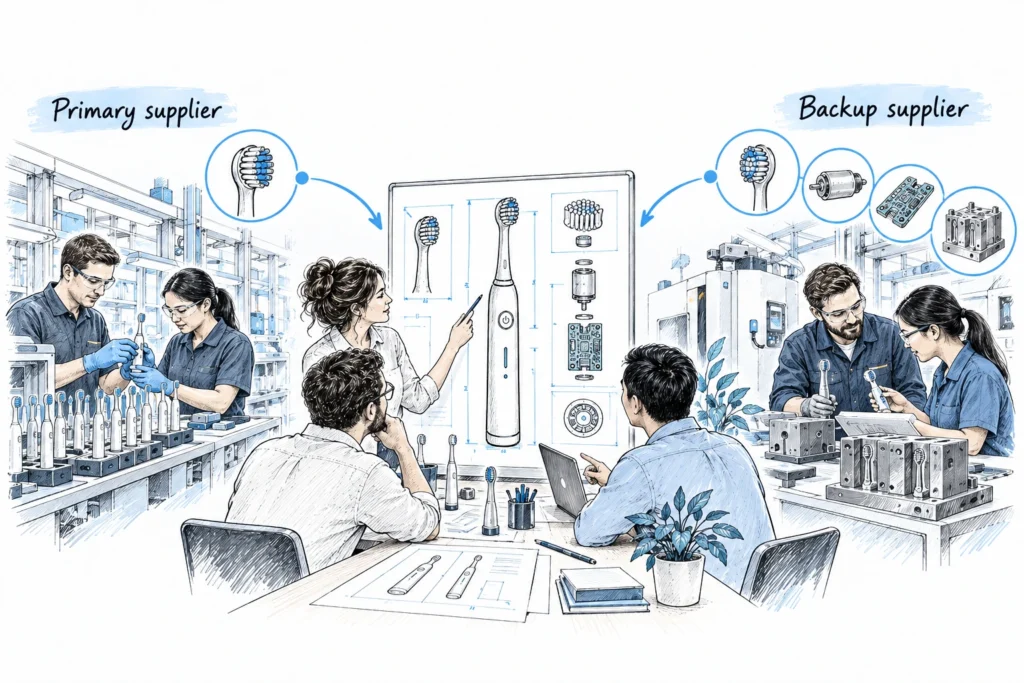
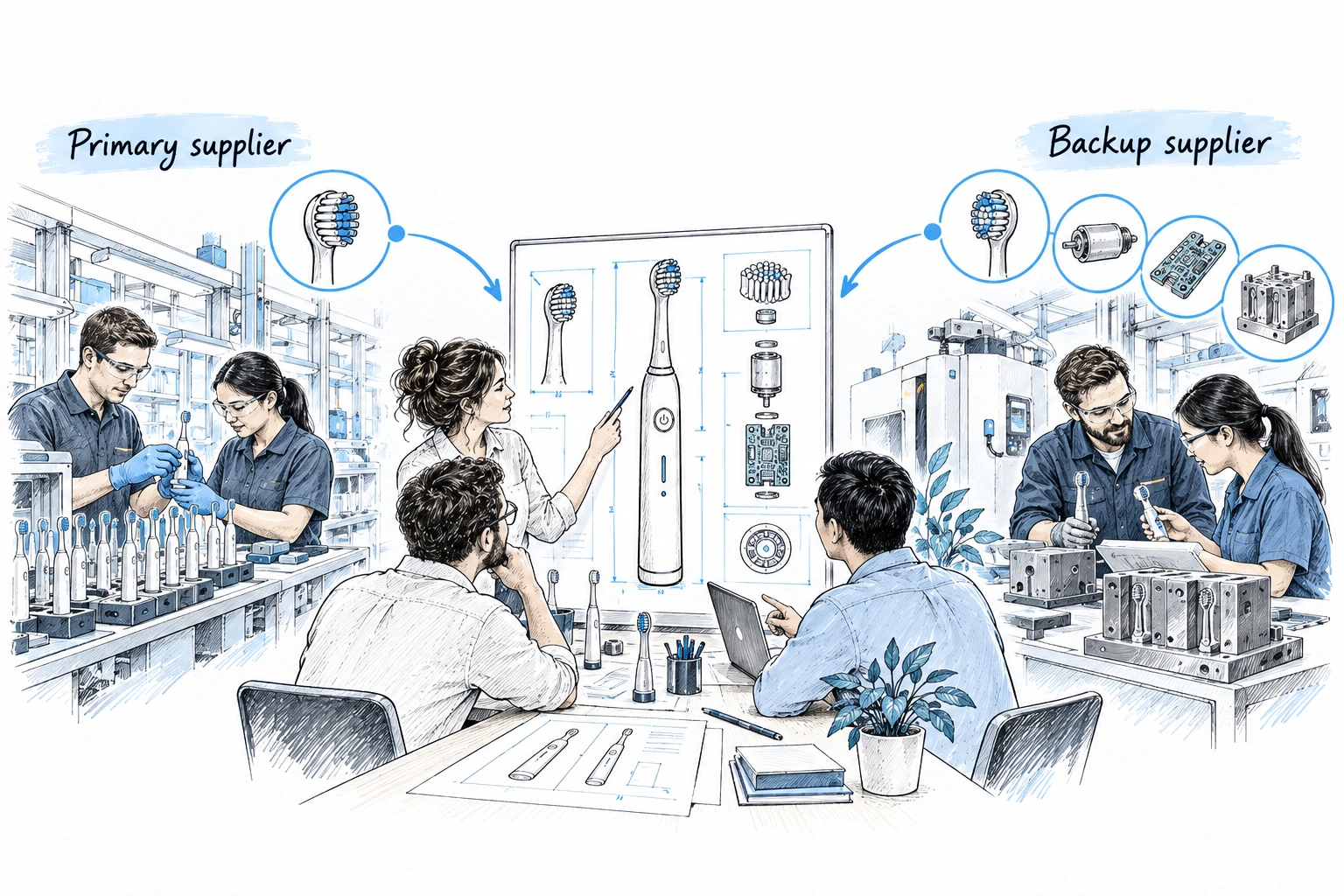
- Qualification d’un fournisseur de secours : Vérifiez qu’une deuxième usine satisfait aux mêmes spécifications, exigences réglementaires et critères qualité. Établissez un délai réaliste pour transférer ou démarrer la production.
Exemple de calendrier saisonnier : confirmez les dates de chaque fournisseur
Besoin d’évaluer les risques de votre approvisionnement en Chine ?
L’équipe OEM de Relish Technology propose une analyse gratuite des risques d’approvisionnement aux marques qui évaluent leur premier ou leur prochain partenaire de fabrication en Chine.
Planifier un échange sur vos risquesRisque 4 : anticiper les perturbations logistiques et du transport
Mesures de réduction du risque
- Réservez le transport suffisamment tôt pour l’itinéraire et la date d’expédition retenus, surtout en période de forte activité. Confirmez les tarifs actuels, les suppléments, la validité de la réservation et les capacités disponibles avec le transitaire. Une réservation ne garantit pas l’absence de perturbations.
- Évaluation d’autres ports : Yantian, Nansha ou Hong Kong peuvent offrir des solutions selon l’itinéraire, le transporteur, la marchandise et les documents. Vérifiez le transport intérieur et les modalités douanières avant de changer de port.
- Assurance transport : Choisissez une couverture adaptée aux marchandises, à l’itinéraire et à la valeur assurée. Vérifiez avec l’assureur les exclusions, franchises et conditions d’indemnisation. Pour les batteries au lithium, confirmez séparément les règles de transport aérien ou maritime des marchandises dangereuses et les exigences relatives au résumé d’essais UN 38.3. L’assurance ne remplace pas la conformité du transport.
- Coordination avec le transitaire : Choisissez un transitaire qui connaît votre produit et l’itinéraire pour vérifier les documents, suivre les réservations et évaluer les solutions de rechange. Le dédouanement et les capacités disponibles restent soumis aux autorités et aux transporteurs.
- Réapprovisionnement urgent : Pour de petits envois urgents, comparez le fret aérien et les autres solutions à partir de devis réels et de l’admissibilité des batteries au transport. Intégrez le surcoût réel à votre décision sans supposer un multiplicateur fixe.
Risque 5 : gérer les risques de change et de paiement
Mesures de réduction du risque
- Monnaie du contrat : Convenez de la monnaie de facturation, de la durée de validité du devis et des règles d’ajustement des prix. Des prix en dollars américains peuvent réduire l’exposition directe de l’une des parties, sans éliminer le risque de change sur toute la chaîne d’approvisionnement.
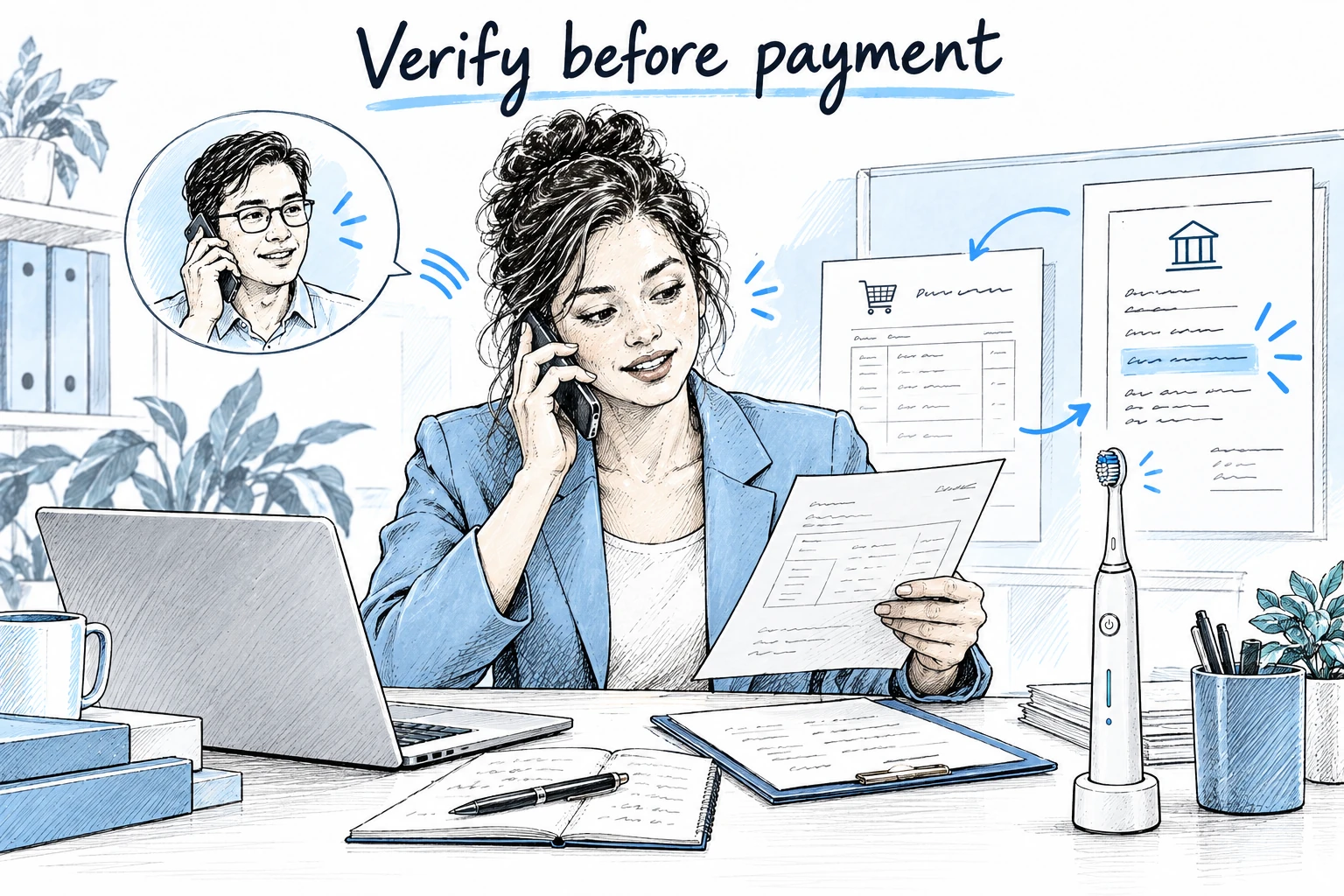
- Vérification des paiements : Confirmez le bénéficiaire et les coordonnées bancaires auprès de votre contact habituel chez le fournisseur, avec un numéro de téléphone vérifié séparément, surtout en cas de changement. N’autorisez pas un nouveau compte sur la seule base d’un courriel.
- Échelonnement du paiement : Un acompte de 30 %, puis un solde de 70 % contre les documents d’expédition convenus, constitue un arrangement négociable parmi d’autres. Précisez les documents, conditions d’inspection, modalités de remise des documents et de mise à disposition des marchandises et dates de paiement dans le contrat. Pour un nouveau fournisseur, évaluez les services de protection des plateformes auxquels vous avez accès ou le crédit documentaire selon leurs conditions et frais réels.
- Gestion du change : Si votre exposition aux devises est importante, discutez des solutions adaptées avec votre banque ou votre conseil financier. Un contrat de change à terme peut fixer un taux pour un montant et une date convenus, mais crée des obligations. L’éligibilité, le coût et les conditions varient.
Risque 6 : non-conformité réglementaire et blocages en douane
Mesures de réduction du risque
- Périmètre réglementaire : Identifiez les exigences correspondant au produit, au marché et à votre rôle. L’enregistrement ou l’inscription auprès de la FDA, la conformité CE et les obligations PSE ou RCM relèvent de démarches différentes, et non de certificats interchangeables. Consultez les précisions dans notre guide des certifications OEM.
- Vérification des justificatifs : Contrôlez les rapports d’essais propres au modèle, les déclarations et les autres documents requis. Les normes IEC 60335-1 et IEC 60335-2-52 peuvent concerner les appareils électriques d’hygiène buccale ; le transport des batteries exige les justificatifs UN 38.3 applicables. Vérifiez les obligations RoHS/REACH pour le produit et ses matériaux. La certification ISO 13485 couvre un périmètre défini de management de la qualité et ne vaut pas approbation automatique de chaque produit.
- Étiquetage du marché de destination : Avant impression, faites vérifier les fichiers de packaging et les instructions par une personne compétente au regard des exigences réelles du produit. Un transitaire peut aider pour les documents d’expédition sans assurer une analyse réglementaire complète du produit.
- Suivi des évolutions pertinentes : Suivez les changements applicables à la catégorie du produit et au marché visé, notamment les exigences de la FDA, de l’UE et des places de marché. Les règles européennes sur les dispositifs médicaux ne s’appliquent que si le produit entre dans leur champ.
Risque 7 : dépendance à un fournisseur unique et continuité des approvisionnements
Mesures de réduction du risque
- Qualification d’une autre source : Lorsque c’est possible, préparez un deuxième fournisseur pour les références ou composants critiques. Vérifiez les spécifications, l’approbation des échantillons, les documents réglementaires, la disponibilité de l’outillage et le temps ainsi que le coût nécessaires au démarrage.
- Stock des articles à source unique : Déterminez la couverture selon la demande, le délai de reprise et le risque de réapprovisionnement. Un scénario de 90 jours ou plus peut être étudié, mais doit équilibrer disponibilité, trésorerie, stockage et obsolescence.
- Diversification lorsque c’est réaliste : À mesure que les volumes augmentent, évaluez un deuxième fabricant qualifié pour les nouvelles références qui s’y prêtent. Maintenez des spécifications compatibles et le suivi des fournisseurs, plutôt que de déplacer des commandes uniquement pour créer une relation supplémentaire.
- Documentation de l’outillage et continuité : Conservez les copies autorisées des spécifications, plans et dossiers d’entretien des moules. Confirmez la propriété, l’accès et les modalités de transfert. Un outillage de remplacement doit lui aussi être fabriqué, qualifié et validé.
Questions fréquentes
Réduisez vos risques d’approvisionnement en Chine avec un partenaire éprouvé
Relish Technology accompagne plus de 300 marques depuis 15 ans, sans incident majeur dans sa chaîne d’approvisionnement. L’entreprise est certifiée ISO 13485, inclut l’inspection avant expédition et signe des accords NNN en standard. Commencez par une commande d’échantillons et échangeons sur les contrôles adaptés à votre projet.
Demander une analyse des risquesRéférences et sources
- McKinsey Global Institute (2020). Risque, résilience et rééquilibrage dans les chaînes de valeur mondiales. Source : https://www.mckinsey.com/capabilities/operations/our-insights/risk-resilience-and-rebalancing-in-global-value-chains
- Administration du commerce international des États-Unis. Options de transport : transitaires, assurance et responsabilités d’expédition. Source : https://www.trade.gov/shipping-options
- Centre de signalement des crimes sur Internet du FBI (2024). Compromission de messagerie professionnelle : une escroquerie de 55 milliards de dollars. Cumul des pertes potentielles déclarées aux États-Unis et à l’international d’octobre 2013 à décembre 2023, et non pertes annuelles des importateurs. Source : https://www.ic3.gov/PSA/2024/PSA240911
- Administration du commerce international des États-Unis. Risque de change : monnaie du contrat et contrats de change à terme. Source : https://www.trade.gov/foreign-exchange-risk
- Association du transport aérien international (IATA). Marchandises dangereuses : guide du transport des batteries. Source : https://www.iata.org/en/programs/cargo/dangerous-goods