










Japan Electric Toothbrush Compliance and Market-Entry Guide
Plan a Japan launch around the exact product, electrical configuration, intended use, and sales route. This guide explains how to check PSE scope, labeling, medical-device classification, and local business responsibilities.
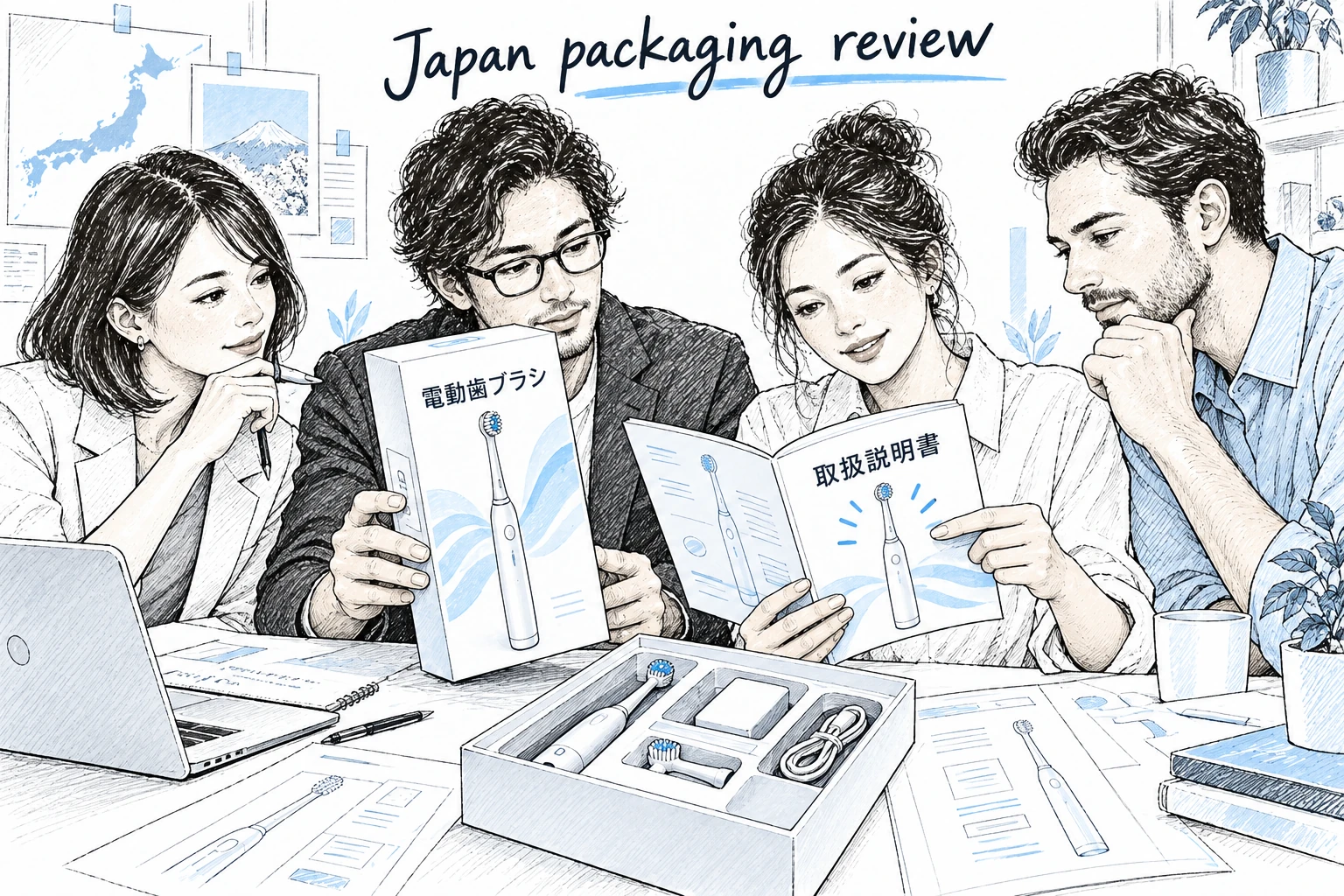
Planning for Japan’s Oral-Care Market
Build your Japan launch around your target users, product features and sales channels. This guide brings together the product, packaging and regulatory decisions to address before finalizing your model and launch plan.
Use current research on the electric-toothbrush segment and Japanese sales channels to assess market size, growth, and customer preferences, then build pricing and sales forecasts for the channels you plan to use.
For a launch plan, identify the intended user and use, the complete product configuration, the supplied charger or adapter, the battery system, Japanese-language materials, and who will place the product on the Japanese market. Those details can affect both the compliance route and the commercial plan.
Meeting an applicable Japanese requirement is a product-compliance step; it does not by itself establish manufacturing quality, retailer acceptance, or compliance in other markets. Confirm each destination market separately.
Market-Entry Considerations for Electric-Toothbrush Brands
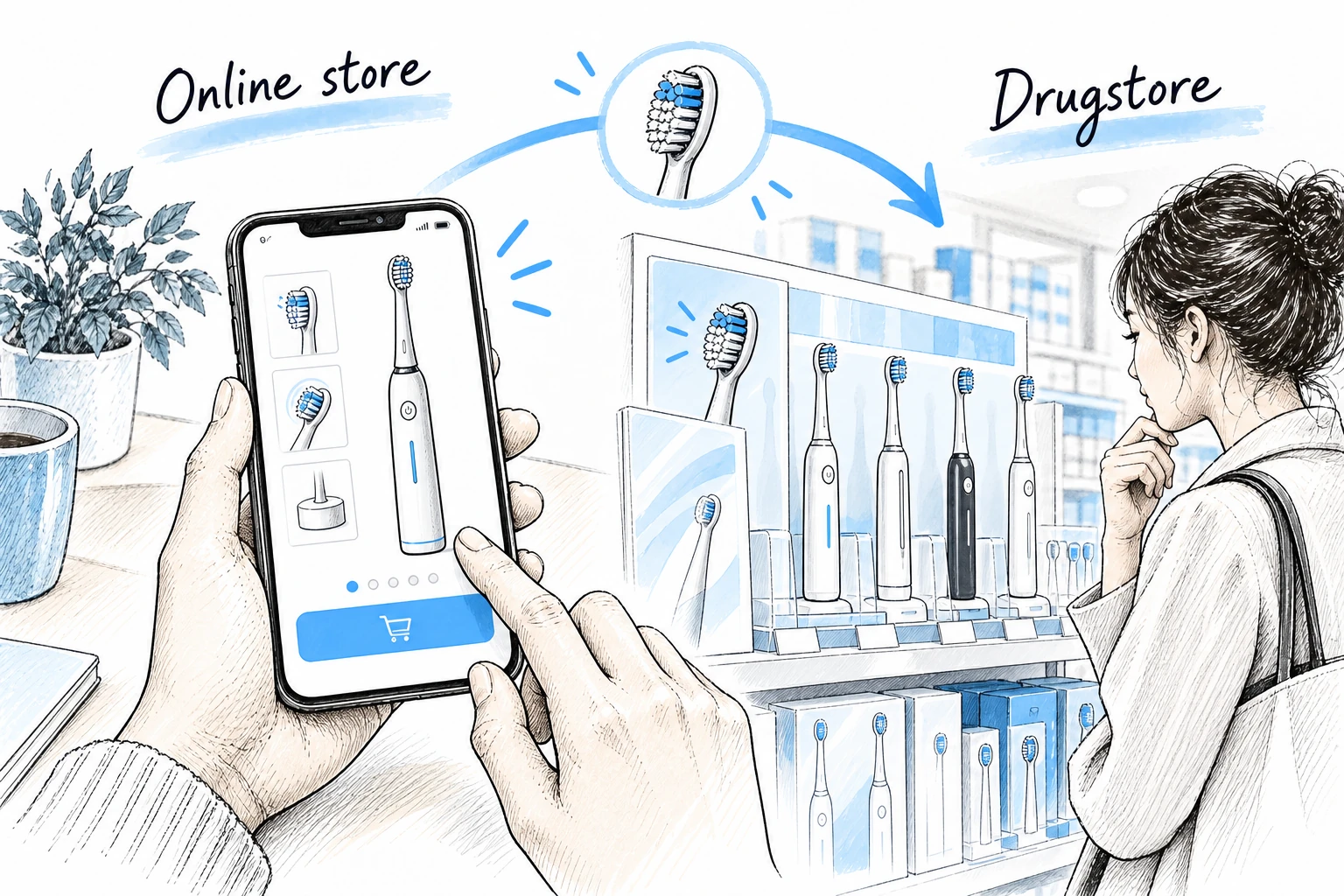
Compare each retail and online channel’s assortment, supplier process, documentation, commercial terms, and distribution responsibilities before selecting a route to market.
Channels to Evaluate
Don Quijote
Research the retailer’s current assortment, supplier process, product documentation, and commercial terms before including it in a launch plan.
Matsumoto Kiyoshi
Check the applicable category, distributor arrangements, Japanese-language materials, and listing requirements directly with the retailer or its authorized partners.
Hands (formerly Tokyu Hands)
Review the retailer’s current assortment, supplier process, and product-information requirements as part of the channel assessment.
Amazon Japan
Marketplace documentation and listing rules depend on the product, category, seller account, and current platform policies. Verify requirements in the relevant seller account.
Retail entry may involve a local importer or distributor, while online selling can use a different operating model. In either case, confirm who is responsible for applicable notifications, product records, customer support, and any local legal duties before accepting orders.
PSE and the Electrical Appliances and Materials Safety Act (DENAN)
Japan’s Electrical Appliances and Materials Safety Act (DENAN) sets requirements for electrical products within its scope. PSE marking and related duties depend on the product category and configuration covered by the Act.
METI’s non-specified-products list includes electric toothbrushes. Confirm the classification for the exact model and complete configuration, including any supplied charger, adapter, or battery where relevant. Do not infer the route solely from a motor, electronic circuit, body contact, or the product’s marketing name.
Circle and Diamond Routes Depend on the Listed Product Category
DENAN distinguishes specified electrical appliances from non-specified electrical appliances. Both routes can carry duties for the notifying business, including technical conformity, inspection, and recordkeeping. A non-specified classification does not mean that no business notification is required.
| Route | Mark | How to assess it | Typical statutory duties |
|---|---|---|---|
| Non-specified electrical appliance | PSE circle, where required | Electric toothbrushes appear in METI’s non-specified-products list. Check the exact model and any supplied electrical components against the current scope. | The responsible notifying business must meet the applicable technical requirements and inspection and recordkeeping duties, and apply required marking. |
| Specified electrical appliance | PSE diamond, where required | Use this route only when the exact product or configuration falls within a specified category under the current list and applicable interpretation. | In addition to applicable business duties, the route requires conformity assessment by a registered body and valid certificate evidence where the rules require it. |
Steps for Checking the DENAN Route
Start with the current product lists and applicable technical requirements. Confirm the responsible business and the exact product configuration before booking tests, finalizing the mark, or publishing a compliance claim.
1. Define the product and supply route
Record the intended use, model, electrical components, charger or adapter, battery, and how the product will be supplied in Japan. Identify the business that may have the DENAN notification duties.
2. Confirm category and technical requirements
Check the current METI list and interpretations for the exact product. For oral-hygiene appliances, review the applicable Japanese-adopted requirements, including J60335-2-52 and Part 1 where applicable; an international IEC edition is not automatically the Japanese legal edition.
3. Plan conformity work and records
Confirm which tests, inspections, technical documents, and any registered-body assessment apply to that route. The applicable body and evidence depend on the category and configuration.
4. Complete applicable business notification
The responsible business generally submits its notification within 30 days after starting the relevant business. This is a business notification, not a METI product-approval application or a universal product registration number.
5. Verify marking, instructions, and launch materials
Apply the mark and required business identification for the confirmed route. Check electrical ratings, Japanese-language instructions, safety information, and any separate retailer or marketplace requirements against the actual product.
Agree the testing, documentation and business-setup schedule with the responsible business and any conformity-assessment body involved. Confirm dependencies, required samples and document-review milestones before setting the launch date.
Medical-Device Classification and Japan’s PMD Act
The Act on Securing Quality, Efficacy and Safety of Products Including Pharmaceuticals and Medical Devices (PMD Act) governs pharmaceuticals and medical devices in Japan. Whether an oral-care product falls within its scope depends on the product’s intended purpose, design, and claims.
Before choosing a medical-device route, have the intended use, labeling and claims reviewed together against the applicable Japanese device definitions and classification rules.
If the Product Is Classified as a Medical Device
The route depends on the device class and product. In broad terms, Class I devices use a PMDA notification route; eligible Class II and Class III devices may use certification by a registered certification body; other Class II/III cases and Class IV devices require MHLW approval, with PMDA review as applicable. Confirm the exact route with the relevant Japanese regulatory professionals.
Keep the roles distinct: PMDA performs review and safety-related functions; a registered certification body may certify eligible devices; a Marketing Authorization Holder (MAH), manufacturer, importer, and domestic administrator have different responsibilities. These roles are not interchangeable with a general commercial agent or distributor.
Japanese Labeling and User Information
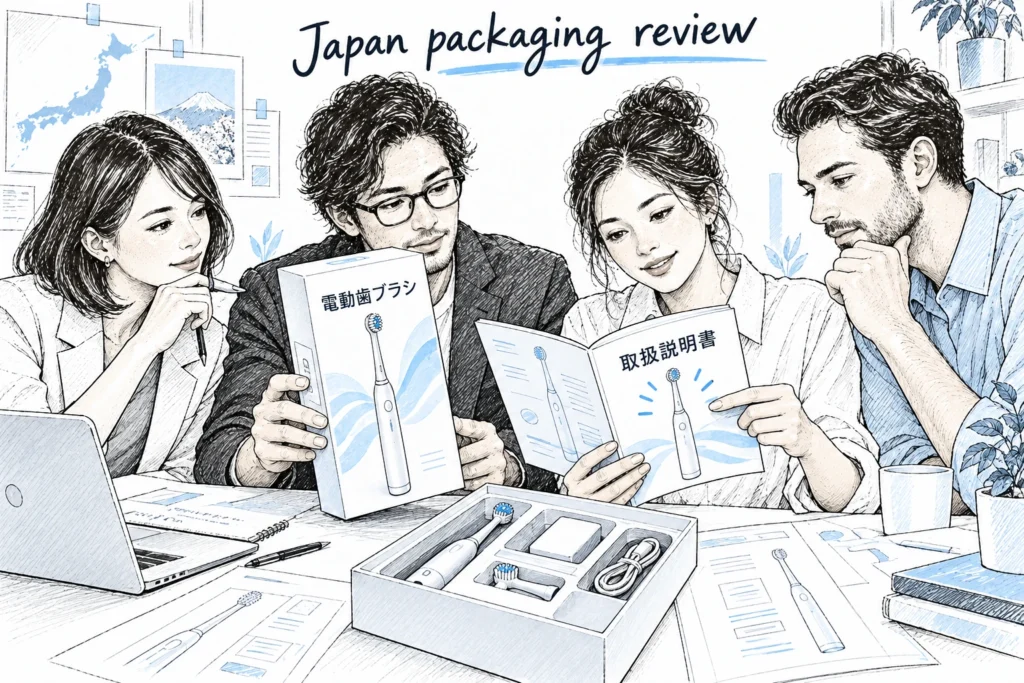
Confirm statutory label fields for the product category and sales route. These may include product identification, applicable PSE marking and business identification, electrical ratings, instructions, and warnings. Keep statutory fields distinct from traceability details and retailer-specific information.
Check These Items for the Exact Product
- Product identification: Confirm model and product identification details required by the applicable rules and sales channel.
- Electrical ratings: Use the actual ratings of the toothbrush, charger, and adapter; do not copy a mains rating from another configuration.
- PSE marking and business name: Confirm whether a mark is required, which mark applies, and the correct notifying-business identification or permitted abbreviation.
- Instructions and warnings: Provide Japanese-language user information that is clear, accurate, and matched to the product and its intended use.
- Other fields: Add traceability or retailer information where required or commercially agreed; do not present optional fields as universal DENAN duties.
Voltage, Frequency, and Charging Equipment
Japan’s nominal household supply is 100 V AC, with 50 Hz or 60 Hz depending on region. A rechargeable toothbrush itself may operate on low-voltage DC and may not connect directly to household mains. Check the actual input rating, plug, and instructions for each supplied charger or adapter.
A product or adapter rated only for 220–240 V may not operate correctly on Japan’s 100 V supply. Check the actual input rating of the supplied charger before specifying compatibility.
Distribution and Direct-Sales Responsibilities
Map the commercial route separately from the product-compliance route. A local importer or distributor may take on agreed commercial and legal responsibilities, but a general authorized representative service does not automatically satisfy every statutory role.
Local Importer or Distributor
A local partner may support import operations, warehousing, customer service, and retailer discussions under a contract. Verify which party will handle any applicable DENAN notification, records, labeling, and post-market duties; do not assume those responsibilities from the partner’s title alone.
Before agreeing to exclusivity or minimum purchases, define territory, channels, forecast assumptions, support obligations, and performance terms in the contract. These are commercial terms, not universal Japanese regulatory requirements.
Overseas Sellers Supplying Japanese Consumers
From 25 December 2025, amendments to Japan’s product-safety laws introduced obligations for specified overseas businesses that directly supply covered products to consumers in Japan. If the product and sales model fall within the rules, the overseas seller may need to submit the applicable notification and appoint a qualifying domestic administrator. Confirm coverage and duties for the exact business and product; this route is distinct from using a local importer.
Amazon Japan and Other Marketplaces
Marketplace document requests and listing controls can vary by product category, seller account, and current platform policy. Confirm the current requirements in the relevant account and maintain accurate product information. Marketplace checks do not replace duties imposed by applicable product-safety laws.
Medical-Device Representatives
If a product is a medical device, confirm the appropriate MAH and product route. A medical-device MAH role is different from a general importer, distributor, or domestic administrator under another product-safety law.
Build Your Japan-Bound Product Range with Relish
Relish combines a 20,000 m² manufacturing facility, 350+ employees, 30+ R&D specialists and 12 automated production lines to support oral-care OEM/ODM projects. For Japan-bound electric toothbrushes, our team coordinates product design, accessories, packaging, Japanese-language materials and documentation for your launch.
Work with our engineering and project teams to select a platform, review samples, refine the product and prepare launch materials. Our ISO 9001 and ISO 13485 quality systems support development and production, while the responsible Japanese business handles the applicable market-entry procedures.
Explore our R&D page and certifications information for a closer look at our product-development capabilities and quality systems. Contact our team to plan your Japan project.
Key Points
- Check the exact product and configuration against the current DENAN scope; METI lists electric toothbrushes among non-specified products, but accessories and configurations still need assessment.
- PSE routes are category-specific. Business notification, technical conformity, inspection, and records may apply to both specified and non-specified products; registered-body assessment applies where required.
- Business notification is not the same as METI approval of each product. Confirm the notifying business and complete applicable steps for the selected route.
- Assess medical-device status from the actual intended purpose, design, and claims. PMDA, registered certification bodies, MAHs, and importers have distinct roles.
- Verify Japanese labeling, instructions, voltage ratings, direct-sales duties, and marketplace requirements for the exact product and operating model.
Planning an Electric-Toothbrush Project for Japan?
Bring your product requirements, target users and sales plan. Relish can help you select an electric-toothbrush platform and develop the design, packaging and Japanese-language materials for your brand.
Discuss a Japan Project- Custom production MOQ: Custom-production MOQ starts at 1,000 units and can be adjusted to the actual order. Wholesale MOQ for in-stock products is 50 units.
- Samples and production schedule: Plan samples and production milestones with our team around your selected model, materials, packaging and testing requirements.
- Quality and inspection: Our ISO 9001 and ISO 13485 quality systems support production. Agree the sampling plan, inspection scope and acceptance criteria for your model and order.
- Compliance documents: Relish coordinates product specifications, test records and document handoff within the agreed project scope. Lithium-battery transport documents, including UN 38.3, are separate from DENAN product conformity.
Turn Your Japan Launch Plan into a Product
Tell us your target users, product requirements and sales channels. Our team can help you choose a platform, develop your brand presentation and plan the next steps.
Contact RelishFrequently Asked Questions
Use these answers to identify the product and business details to confirm for a Japan launch.
Official References
- Ministry of Economy, Trade and Industry (METI), non-specified electrical appliances list. Electric toothbrushes in the non-specified products list.
- METI, DENAN product categories and interpretation documents. Subject products and interpretations.
- Kansai Bureau of Economy, Trade and Industry, business guidance for electrical appliance businesses. Business duties and procedures.
- METI, specified importers under the product-safety laws. Information for overseas businesses.
- METI, specific 2017 interpretation concerning a child-targeted electric-toothbrush configuration. Interpretation document (PDF).
- METI, adopted technical requirements for oral-hygiene appliances. J60335-2-52 adoption entry (PDF).
- Pharmaceuticals and Medical Devices Agency (PMDA), medical-device classification and review routes. Medical-device reviews.
- Japanese Standards Association (JSA), JIS C 62133-2:2020 catalog entry. JIS C 62133-2:2020.
- Hands, official corporate-name change notice. Company name and brand notice.