

How to Start an Oral Care Brand: From Idea to Market (2026)
A practical, step-by-step guide to launching your own oral care brand: define a customer need, choose a manufacturing partner, prepare the product and packaging, and plan your first sales.
This guide in one paragraph: Build your oral care brand around a clear customer need, a suitable product and a capable OEM/ODM partner. Prepare the required packaging and documentation, choose your sales channels, and budget for inventory, launch marketing and working capital. The cost table below shows three illustrative launch scenarios; actual quotations and the scope of the project determine your investment and timing.
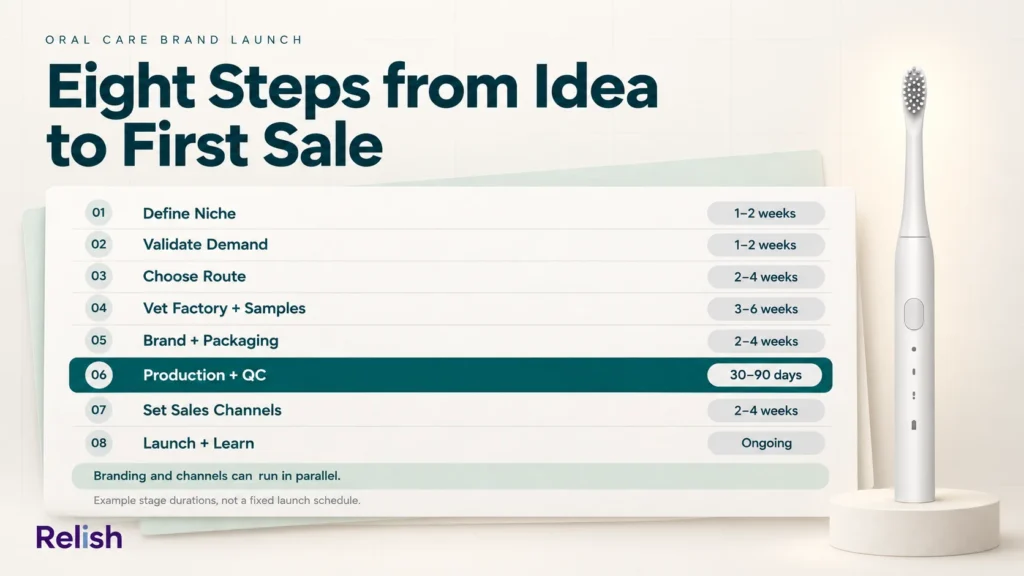
How to Start an Oral Care Brand: 8-Step Launch Framework
Define Your Niche & Brand Positioning
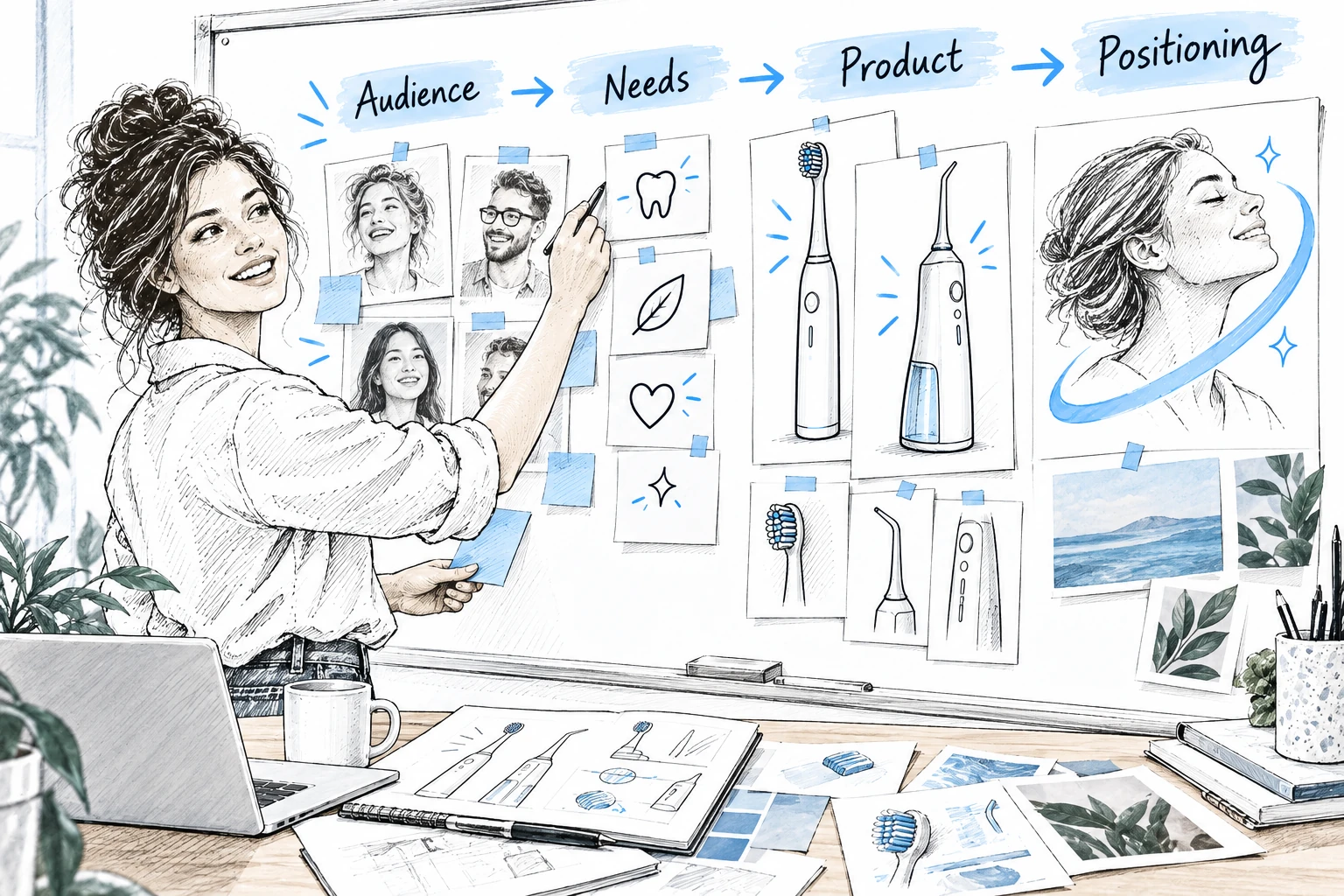
Oral care is a large, competitive market. A focused brand starts with a specific customer need rather than a generic toothbrush offer. Before contacting manufacturers, answer these questions:
- Who is your target buyer? Eco-conscious parents? Dental-health-aware millennials? Travelers? Dental clinic buyers?
- What is your brand's primary value? Sustainability? Performance technology? Affordability? Premium design?
- Which product category best serves that positioning? Consider material-led manual brushes, performance-focused electric brushes, whitening products or age-appropriate children’s ranges.
- What price range fits the customer and channel? Use the example tiers of USD 8–20, USD 20–50 and USD 50–100+ as starting points, then compare like-for-like products.
Validate Demand with Keyword & Competitor Research
Check demand before committing to inventory. Use Amazon search, Google Keyword Planner or a suitable research tool to explore relevant searches, competing offers and customer needs. Treat estimated search volume as one input, alongside pricing and customer feedback.
- Identify a focused group of relevant keywords and compare demand, buying intent and competition in your target country.
- Check top 10 Amazon listings: How many reviews do competitors have? Is there a quality gap?
- Calculate if you can compete: Can you offer better value at their price point? Or carve out a sub-niche they ignore?
- Read critical reviews of leading products to identify recurring problems your design, instructions or service could address.
Choose Your Product & Manufacturing Path
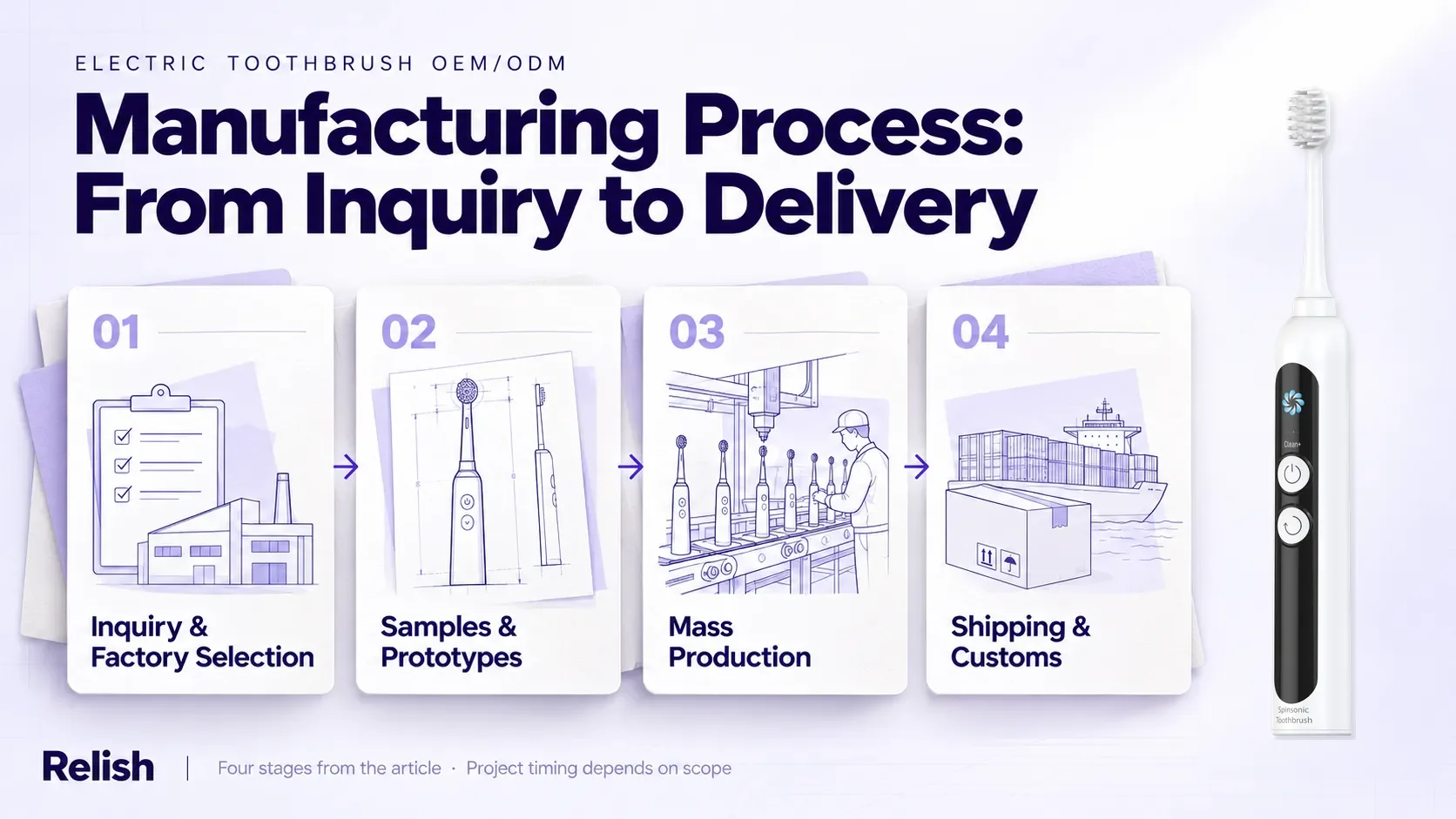
There are two main paths to private label product creation — ODM and OEM. Choose based on your timeline, budget, and differentiation goals. Our manufacturing facilities support both paths.
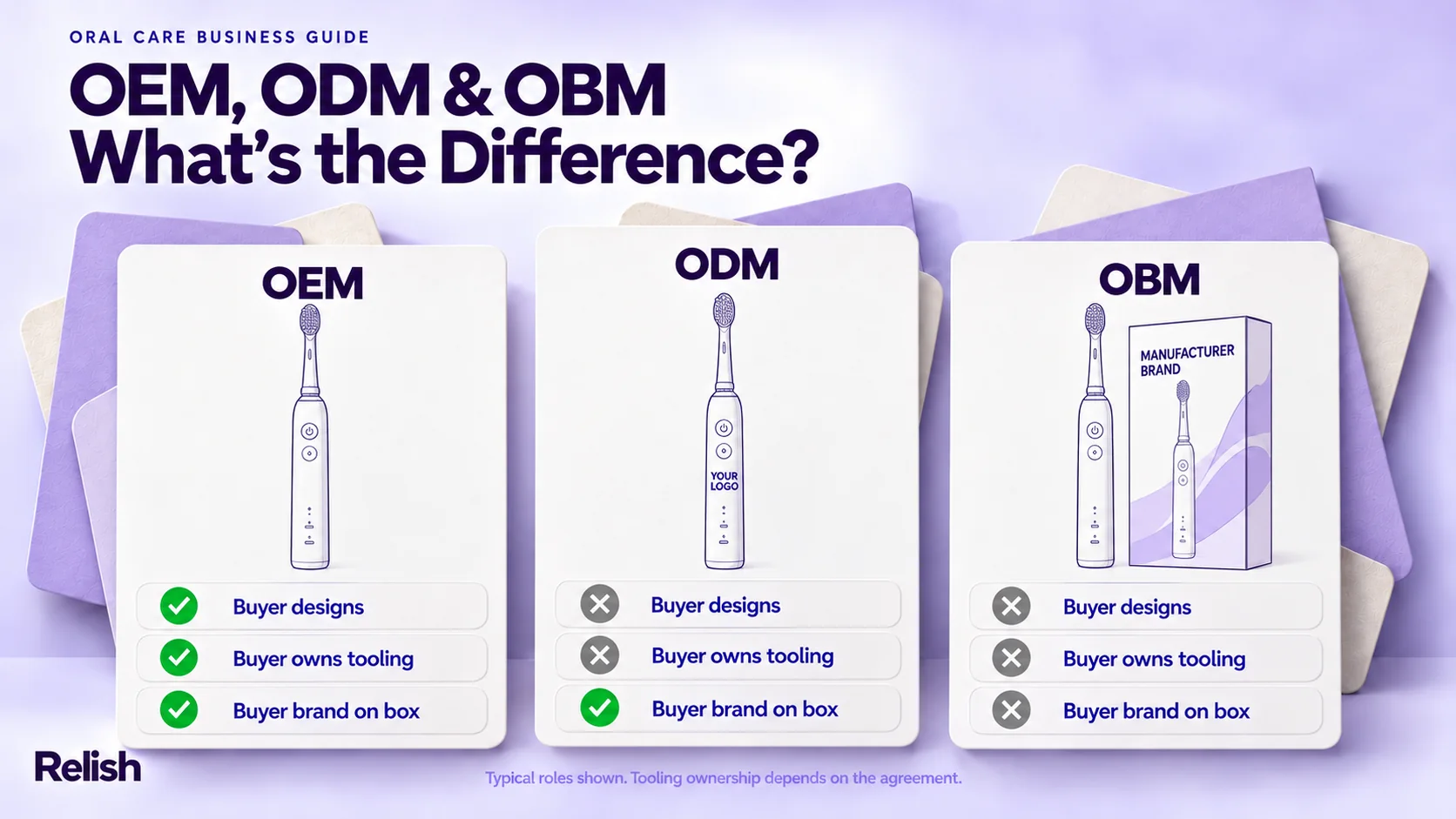
- ODM (Original Design Manufacturing): Start with an existing product design and add agreed branding, packaging or other changes. This can reduce new development work. Check that existing compliance documents cover your exact configuration and sales markets.
- OEM (Original Equipment Manufacturing): Work with a manufacturer to produce to your specifications. Custom development may require tooling, testing and additional lead time. Agree the scope, intellectual property rights and order quantity in the quotation and contract.
- An existing ODM design can be a practical first product. Choose custom OEM development when customer needs and the business case justify it; the right route depends on your required features, budget and differentiation.
Vet Manufacturers & Order Samples
Never place a production order without receiving and testing physical samples. Your evaluation process should cover both the product itself and the manufacturer's business practices. See our client case studies to understand how established brands approach this evaluation.
- Request samples from 3–5 manufacturers simultaneously — compare quality, packaging, and response speed
- Verify applicable compliance documents: request model-specific test reports, declarations and authorization or registration records where required. Match the product, brand, components and target market; a logo or generic certificate is insufficient.
- Check the manufacturer's online presence, years in business, and reference customers
- Ask about minimum reorder quantities and lead time for repeat orders
- Review sample agreement terms: Who owns the custom packaging design? What is the IP position on any customization?
Create Your Brand Identity & Packaging
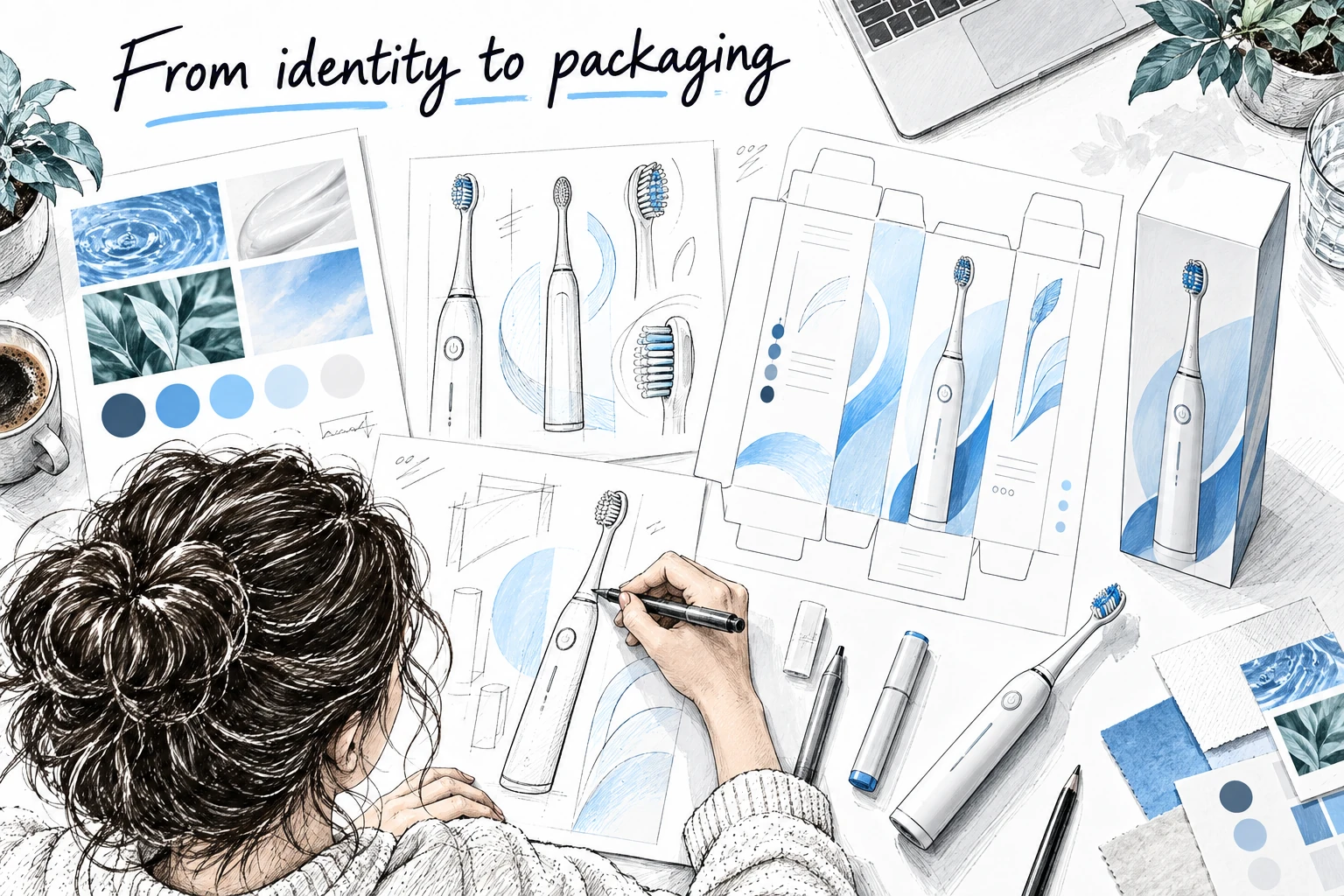
Packaging for oral care products must accomplish two things: communicate brand values clearly and meet regulatory labeling requirements for your target market. Start packaging design in parallel with manufacturer vetting to save time.
- Brand elements: Logo, color palette, typography, photography style, tone of voice
- USA labeling: identify the rules for the specific product, including product identity, relevant business details, country of origin and any required ratings, warnings, directions or ingredients. A cosmetic, a medical device and an electrical accessory can have different requirements.
- EU labeling: check the applicable product legislation and required languages. Cosmetics can require responsible-person details, batch identification, ingredients, precautions and durability information. CPNP notification is a separate obligation for in-scope cosmetics, not a universal label reference for oral care devices.
- Use a capable packaging designer or suitable design software. Clear artwork should communicate the product benefit and remain legible at the size used on shelves and online.
Place Production Order & Manage Quality Control
Place the production order after approving samples, specifications and packaging. A common quotation structure is a 30% deposit and 70% balance before shipment, while 50/50 or milestone terms may be agreed. Record payment dates, inspection and release conditions in the contract.
- Provide a clear Purchase Order (PO) with exact SKU, quantity, packaging specifications, certification requirements, and delivery date
- Request production photos during manufacture (especially for first orders)
- Arrange a pre-shipment inspection with a qualified inspection company. Use USD 200–400 only as a planning allowance and request a quote for the location, product, inspection scope and time required.
- Confirm the documents needed for the order and destination, such as the commercial invoice, packing list, transport document, applicable origin documents and model-specific compliance records.
Set Up Your Sales Channels
Build your sales infrastructure while inventory is in transit. Don't wait until the product arrives to start setting up your Amazon listing or website.
- Amazon FBA: prepare the selling account, product classification, compliance information, accurate listing content and inventory plan. Add A+ Content where eligible and follow the current marketplace and category rules.
- DTC website (Shopify): set up your store, theme, payments, product pages, shipping and returns information. Check current service plans and the privacy and consumer requirements for your markets.
- Wholesale/B2B: Create a trade buyer deck (product specs, MOQ, pricing, certification documents) — for dental clinics, spas, hotel buyers
- Set up inventory management from day one — overselling is a brand-damaging mistake on Amazon
Launch, Gather Customer Feedback and Grow
Use the first 60–90 days as a learning period. Track sales, advertising costs, returns and customer feedback. Reviews can inform buyers, but neither a review count nor an advertising budget guarantees organic ranking or profitable growth.
- Amazon Vine: where eligible, use the program to collect honest reviews. Fees depend on the marketplace and enrollment tier, and product and fulfillment costs also apply. Enrollment does not guarantee a set number of reviews.
- Launch advertising: Test relevant searches with a budget you can sustain, then adjust targeting and bids using actual conversion rates and customer acquisition costs. Use relevant product content for your electric toothbrush or water flosser range.
- Creator partnerships: choose relevant oral health, lifestyle or parenting creators. Agree content rights and appropriate sponsorship disclosures, and assess the response before expanding the program.
- Customer communications: follow marketplace rules for inserts and contact. Keep warranty service separate from optional marketing consent, explain how customer data will be used and provide a clear way to unsubscribe.
Oral Care Brand Launch: Illustrative Budgets for Three Scenarios
| Cost Item | Starter example | Growth example | Premium example |
|---|---|---|---|
| Initial inventory | $800–$2,000 | $6,000–$20,000 | $25,000–$80,000 |
| Shipping & customs | $200–$500 | $800–$2,500 | $2,000–$8,000 |
| Additional compliance review and testing | USD 0 — assumes no additional testing | $1,500–$5,000 | $5,000–$15,000 |
| Packaging design | $300–$800 | $800–$3,000 | $3,000–$10,000 |
| Amazon setup + photography | $200–$500 | $500–$2,000 | $2,000–$5,000 |
| Launch marketing (PPC + influencer) | $500–$1,500 | $2,000–$8,000 | $10,000–$30,000 |
| Total of the listed costs | USD 2,000–5,300 | USD 11,600–40,500 | USD 47,000–148,000 |
Channel Strategy: Where to Sell
🛒 Amazon FBA
✅ Access to marketplace shoppers
✅ FBA fulfillment services
✅ Subscribe & Save where eligible
❌ Referral and fulfillment charges
❌ Limited direct customer access
❌ Advertising and competition costs
🌐 DTC (Shopify)
✅ Direct customer relationships
✅ Control over presentation and offers
✅ Consent-based email and SMS marketing
❌ Traffic acquisition takes work and budget
❌ Building trust takes time
❌ Fulfillment and customer service remain your responsibility
🏪 Retail / Wholesale
✅ Potential for volume orders
✅ Visibility through retail partners
✅ Opportunities with dental clinics and other trade buyers
❌ Buyer qualification and sales cycles
❌ Negotiated payment terms
❌ Returns, discounts and margin requirements
📦 Subscription (Loyalty)
✅ Repeat-order potential
✅ Convenient scheduled replenishment
✅ Suitable for compatible replacement heads and other consumables
❌ Customer retention and cancellation management
❌ Ongoing fulfillment costs
❌ Clear pricing, renewal and consent requirements
Example channel sequence: Start with the channel that best fits your customer and budget. Use early sales and feedback to refine the offer, then add a direct-to-consumer store or selected retail partners when the economics and operations support them. Introduce an optional refill subscription if customers value scheduled replenishment. Review acquisition costs, returns, cash flow and retention before expanding.
Frequently Asked Questions: How to Start an Oral Care Brand
Q: How much money do I need to start an oral care brand?
The six cost rows in this guide total USD 2,000–5,300 for the starter example, USD 11,600–40,500 for growth, and USD 47,000–148,000 for premium. These are illustrative listed costs, not quotations or a complete operating budget. Add any extra testing, website costs, insurance, taxes, ongoing overhead and working capital, and obtain quotes for your actual product and quantity. Related product guides: bamboo toothbrushes, electric toothbrushes and water flossers.
Q: How long does it take to launch an oral care brand?
Illustrative production routes range from 30–60 days for a bamboo toothbrush, 60–90 days for an existing electric toothbrush design, and 120–180 days for custom development with new tooling. Testing may add 4–12 weeks. Final timing also depends on approvals, transport and receiving. Prepare the brand and sales channels in parallel, then agree a complete project schedule with the relevant suppliers.
Q: Should I start with Amazon FBA or my own DTC website?
Choose the first channel around your customer, budget and operating capabilities. Amazon FBA provides access to marketplace shoppers and fulfillment services, with platform and advertising costs. A DTC store gives you more control over presentation and customer relationships, while requiring traffic acquisition and service operations. Add channels as demand and the economics justify them.
Q: What is the minimum order quantity (MOQ) for private label oral care products?
Relish custom orders typically start at 1,000 units, with flexibility for the specific order; wholesale orders for available stock start at 50 units. Confirm the quantity basis for each SKU, pack or set, and the effect of materials, packaging and tooling on the proposed order. Compare existing ODM designs and custom OEM development using scoped quotations.
Q: What certifications do I need to sell oral care products on Amazon?
Requirements depend on the product, market and your role. In the USA, assess applicable children’s product rules, the correct FCC route and FDA classification. A conventional powered toothbrush under 21 CFR 872.6865 is Class I and generally 510(k)-exempt within the exemption limits; registration, listing and other obligations can still apply. For the EU, assess the applicable CE legislation, RoHS, REACH and, for radio functions, RED. Check Amazon’s current model-specific document requests and the transport requirements for batteries.
Q: Should I use ODM or OEM for my first product?
An existing ODM design can reduce new design and tooling work, making it a practical route for many first products. Custom OEM development is appropriate when the required features and business case justify it. Compare sample quality, documentation coverage, design rights, order quantities, development costs and schedules before choosing.
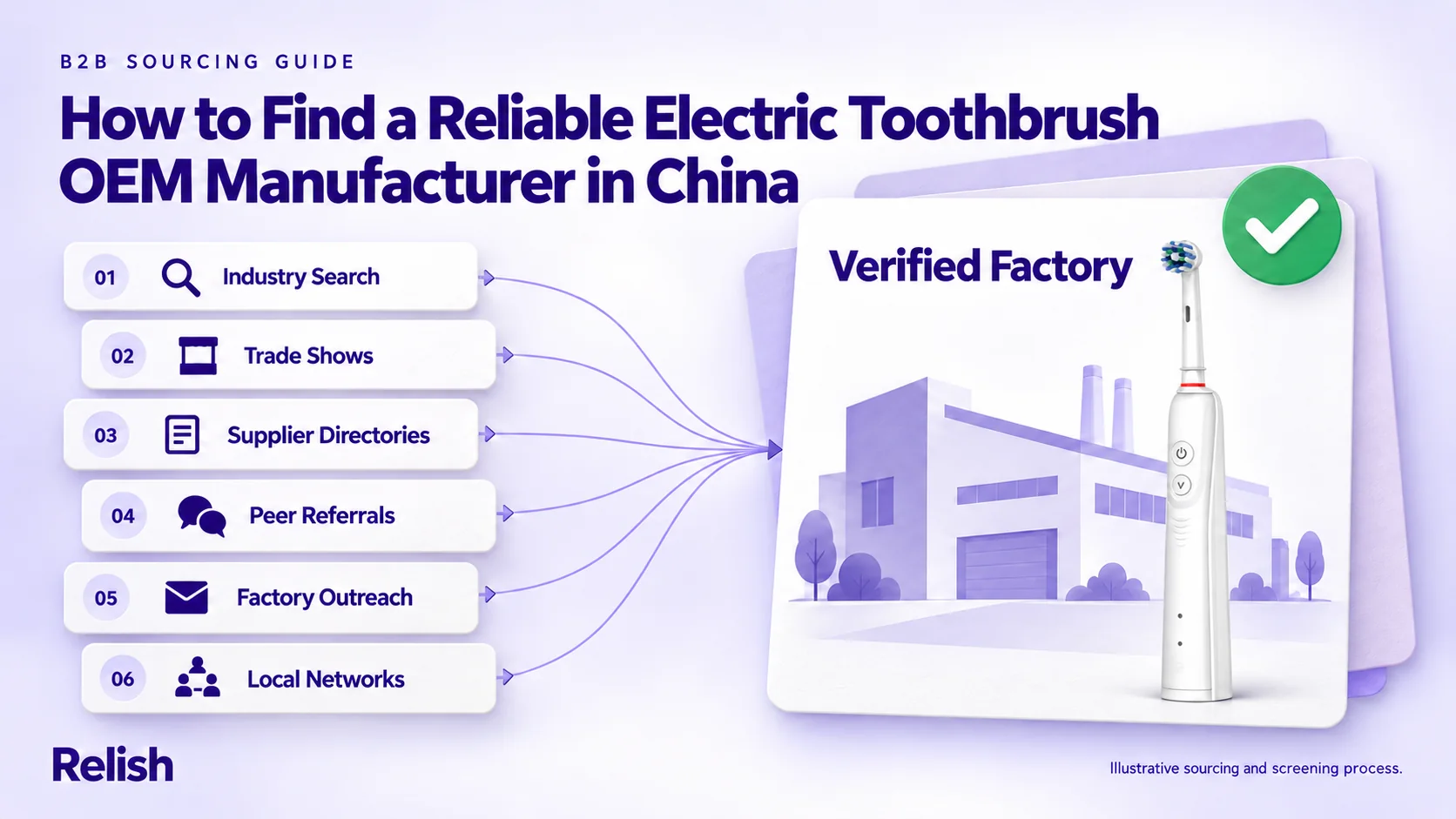
Q: How do I find a reliable OEM manufacturer for oral care products?
Build a shortlist through industry platforms, trade fairs, referrals and manufacturers’ own sites. Request physical samples, verify the supplier’s legal identity and quality-system certificates, and check applicable model-specific compliance documents. Confirm which processes are performed in-house or by specialist partners. Use a factory audit where the order and supplier risk justify it; request a quote for the agreed scope.
Q: What is a realistic profit margin for a private label oral care brand?
Build a model for your own SKU and channel. Calculate product gross margin, then deduct platform fees, fulfillment, advertising, returns, support and overhead to estimate contribution and net profit. Review customer acquisition costs, reorder rates and cash flow using actual data. A DTC store or refill subscription can create opportunities, but neither guarantees a particular margin or customer lifetime value.
References
- 1. Grand View Research. Oral Care Market (2026–2033). Estimated market size: USD 42.3 billion in 2026; forecast USD 66.4 billion by 2033, with a 6.7% CAGR for 2026–2033. Source: https://www.grandviewresearch.com/industry-analysis/oral-care-market
- 2. Statista. Oral Care — Worldwide: market data and analysis. Source: https://www.statista.com/outlook/cmo/beauty-personal-care/oral-care/worldwide
- 3、U.S. Consumer Product Safety Commission. (2024). Children's product safety and CPSIA guidance. Retrieved from https://www.cpsc.gov/Business--Manufacturing/Business-Education/childrens-products
- 4. U.S. Food & Drug Administration. Product Classification: powered toothbrush, product code JEQ, 21 CFR 872.6865. Class I; 510(k)-exempt subject to applicable limits. Source: https://www.accessdata.fda.gov/scripts/cdrh/cfdocs/cfpcd/classification.cfm?id=JEQ
- 5. European Commission. Low Voltage Directive: assess voltage range and product scope. Other legislation, including EMC, RoHS or RED, can also apply to the product or its power supply. Source: https://single-market-economy.ec.europa.eu/sectors/electrical-and-electronic-engineering-industries-eei/low-voltage-directive-lvd_en
- 6、International Organization for Standardization. (2016). ISO 13485:2016 — Medical devices: Quality management systems. Retrieved from https://www.iso.org/standard/59752.html
- 7. Amazon. Amazon Vine: current eligibility, enrollment tiers and program information. Source: https://sell.amazon.com/programs/vine
Explore the Full Oral Care OEM Guide Series
Ready to Start Your Oral Care Brand?
Relish Tech supports new oral care brands and established product portfolios with OEM/ODM manufacturing and guidance on compliance documentation and market entry. Custom orders start at 1,000 units with flexibility for the specific order; stocked-product wholesale starts at 50 units.
📧 info@relish-tech.com | 15+ years manufacturing experience