








Guida al Processo di Produzione OEM/ODM per Spazzolini Elettrici
Una guida B2B per scegliere tra OEM e ODM, definire un brief di personalizzazione, valutare i campioni e gestire lo sviluppo di spazzolini elettrici dalla richiesta alla consegna.
Indice dei contenuti
- Cos'è la produzione di spazzolini elettrici OEM/ODM?
- OEM vs ODM vs OBM: Quale modello scegliere?
- Come valutare un partner OEM/ODM per spazzolini elettrici in Cina
- Analisi dei costi di produzione degli spazzolini elettrici (2026)
- Certificazioni essenziali e requisiti di conformità
- Il processo OEM completo: Dalla richiesta alla consegna
- Guida al controllo qualità e all'audit di fabbrica
- Marchio a marchio privato: Dal packaging al lancio sul mercato
- Errori comuni e come evitarli
- Domande frequenti
Cos'è la produzione di spazzolini elettrici OEM/ODM?
Se stai cercando di lanciare un gamma di spazzolini elettrici a marchio privato, non hai bisogno di costruire una fabbrica da zero. È qui che entrano in gioco le partnership OEM (Original Equipment Manufacturer) e e ODM (Original Design Manufacturer).
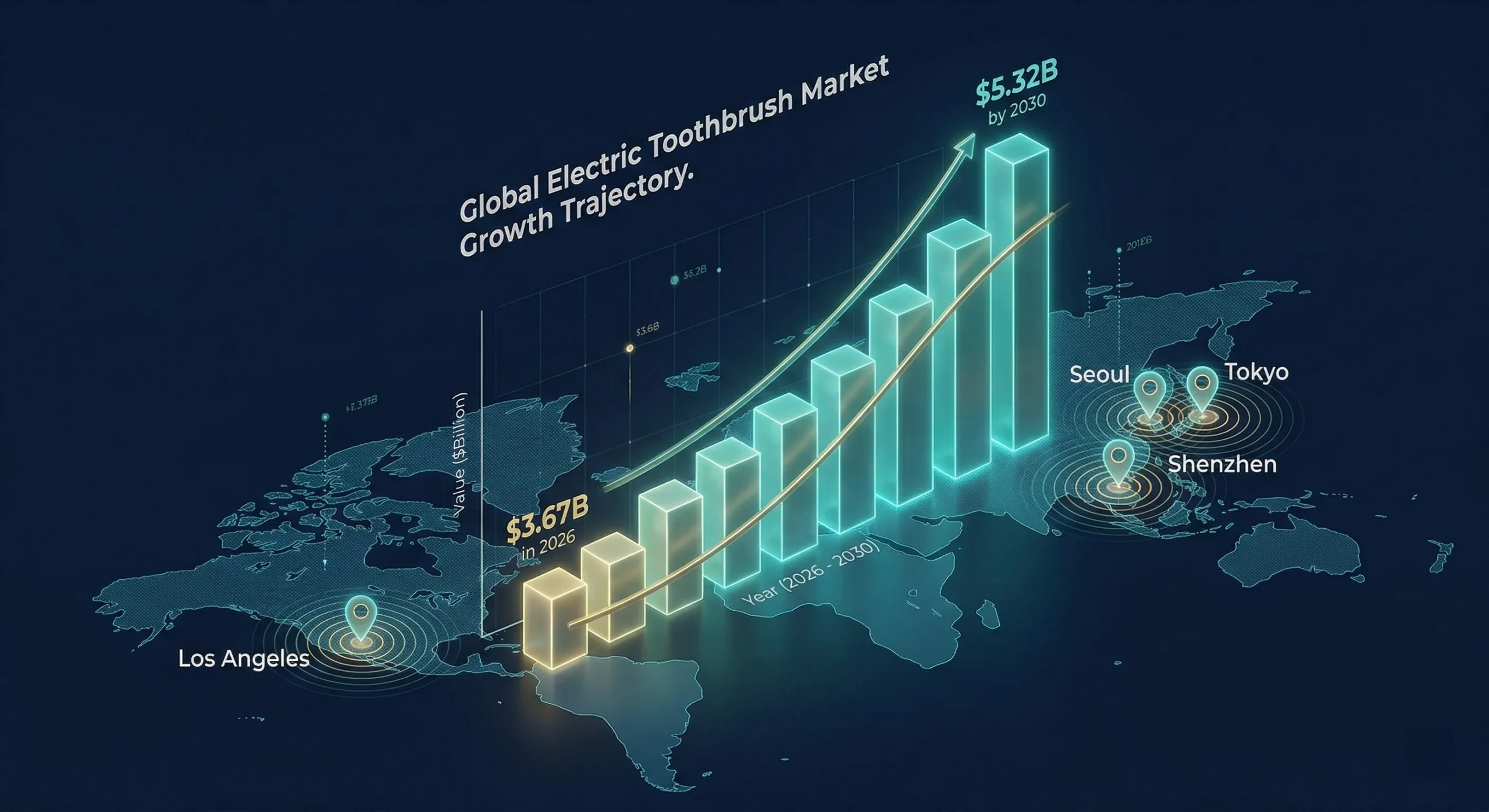
— e sono la spina dorsale dell'industria globale dell'igiene orale. 8,70 miliardi di dollari nel 2024 e si prevede che raggiungerà 70,15 miliardi di dollari entro il 2033, Il mercato globale degli spazzolini elettrici è stato valutato a circa [1]. , con un CAGR del 26,1% durante il periodo di previsione (2025–2033) Il segmento della produzione OEM/ODM.
rappresenta una porzione significativa e in crescita di questo mercato, guidata dalla crescente domanda di marchi a marchio privato e soluzioni produttive economicamente efficienti. I dati del settore indicano che circa il 70% dei marchi globali di igiene orale [2]. utilizza partner produttivi OEM o ODM per realizzare i propri prodotti.
Ciò significa che anche i grandi marchi come Oral-B, Philips Sonicare e Colgate si affidano a partner produttivi — molti dei quali situati nella provincia cinese del Guangdong — per produrre i loro spazzolini elettrici su larga scala.
Perché la maggior parte dei marchi utilizza partner OEM/ODM?
- Considera questo: praticamente ogni marchio di spazzolini elettrici di fascia media di cui hai sentito parlare si affida a partner produttivi. La ragione è semplice economia: Costi unitari inferiori:
- La produzione in Cina riduce i costi di produzione del 40–70% rispetto ai mercati occidentali Velocità di immissione sul mercato:
- Una fabbrica esperta può portarti dal concept al prodotto finito in 60–120 giorni Scalabilità:
- Passa da 500 unità per un lotto di prova a oltre 100.000 unità per la distribuzione al dettaglio completa Competenza tecnica:
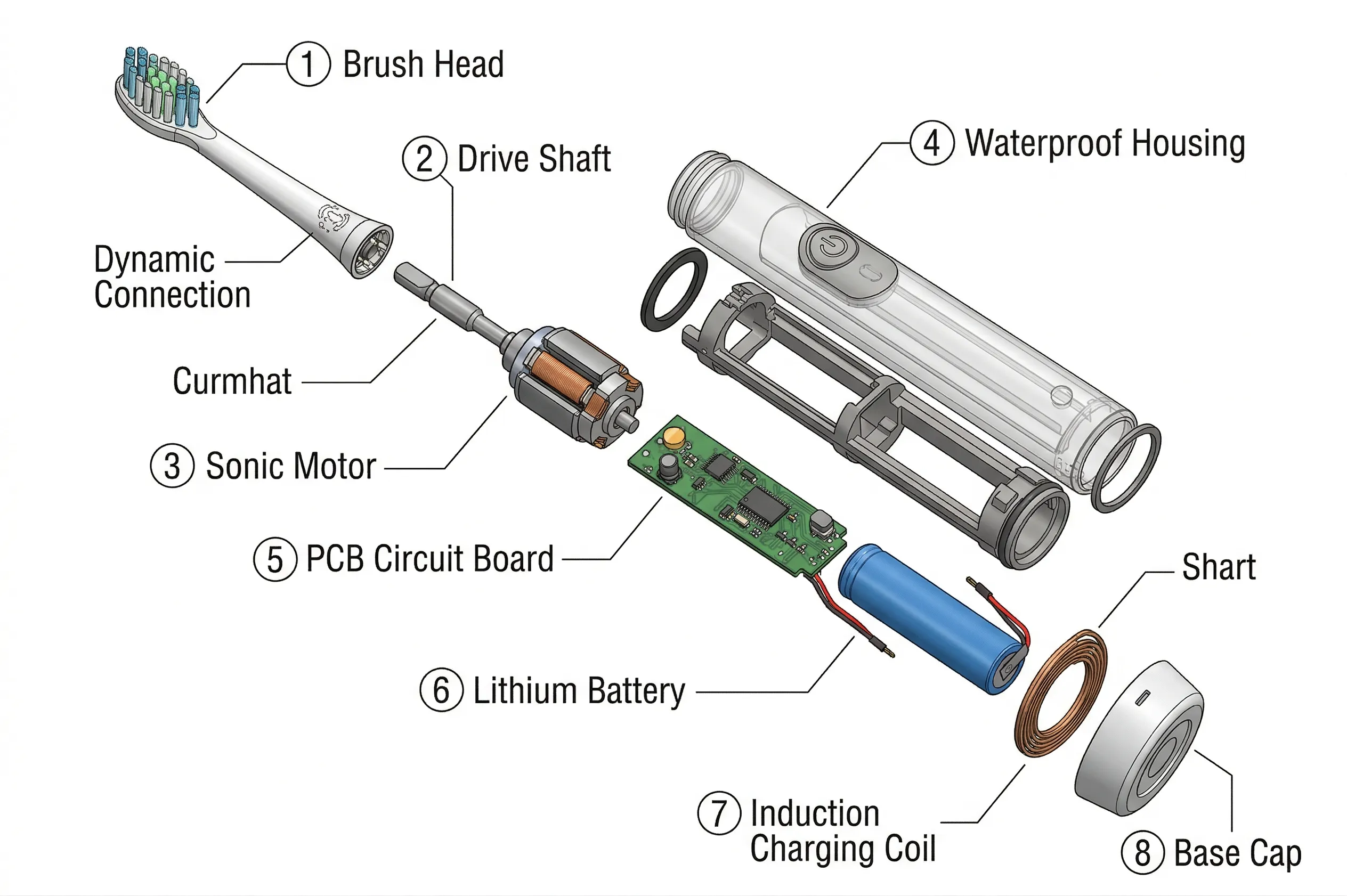
- Accesso a team di ingegneri che hanno risolto sfide di vibrazione, impermeabilizzazione e durata della batteria attraverso centinaia di iterazioni di prodotto Supporto normativo:
I produttori affermati possiedono già le certificazioni e possono guidarti attraverso la conformità per molteplici mercati
Circa I dati del settore indicano che circa il utilizzare partner di produzione OEM o ODM. Costruire la propria fabbrica è generalmente economico solo per volumi annuali superiori a 500.000 unità — motivo per cui anche i grandi marchi esternalizzano la produzione a fabbriche specializzate di spazzolini elettrici.
Informazioni sul produttore: Relish Tech
Questa guida è stata redatta da Shenzhen Relish Technology Co., un produttore professionale OEM/ODM con oltre un decennio di esperienza nel settore dell'igiene orale. Le nostre capacità produttive includono:
- Superficie dello stabilimento: 000 m2 officina senza polvere
- Capacità produttiva mensile: 1,2 milioni di unità e oltre
- Forza lavoro: Oltre 300 lavoratori qualificati su 12 linee di produzione automatizzate
- Capacità di R&S: Oltre 30 ingegneri dedicati con piena capacità di sviluppo prodotto
- Portata globale: Prodotti esportati in oltre 120 paesi in tutto il mondo
- Certificazioni: CE, FCC, FDA, ISO 9001, RoHS, REACH — rapporti di test completi disponibili su richiesta
- Base clienti: Fiducia da parte di marchi di igiene orale riconosciuti a livello globale per partnership OEM/ODM
2. OEM vs ODM vs OBM: Quale Modello Dovresti Scegliere?
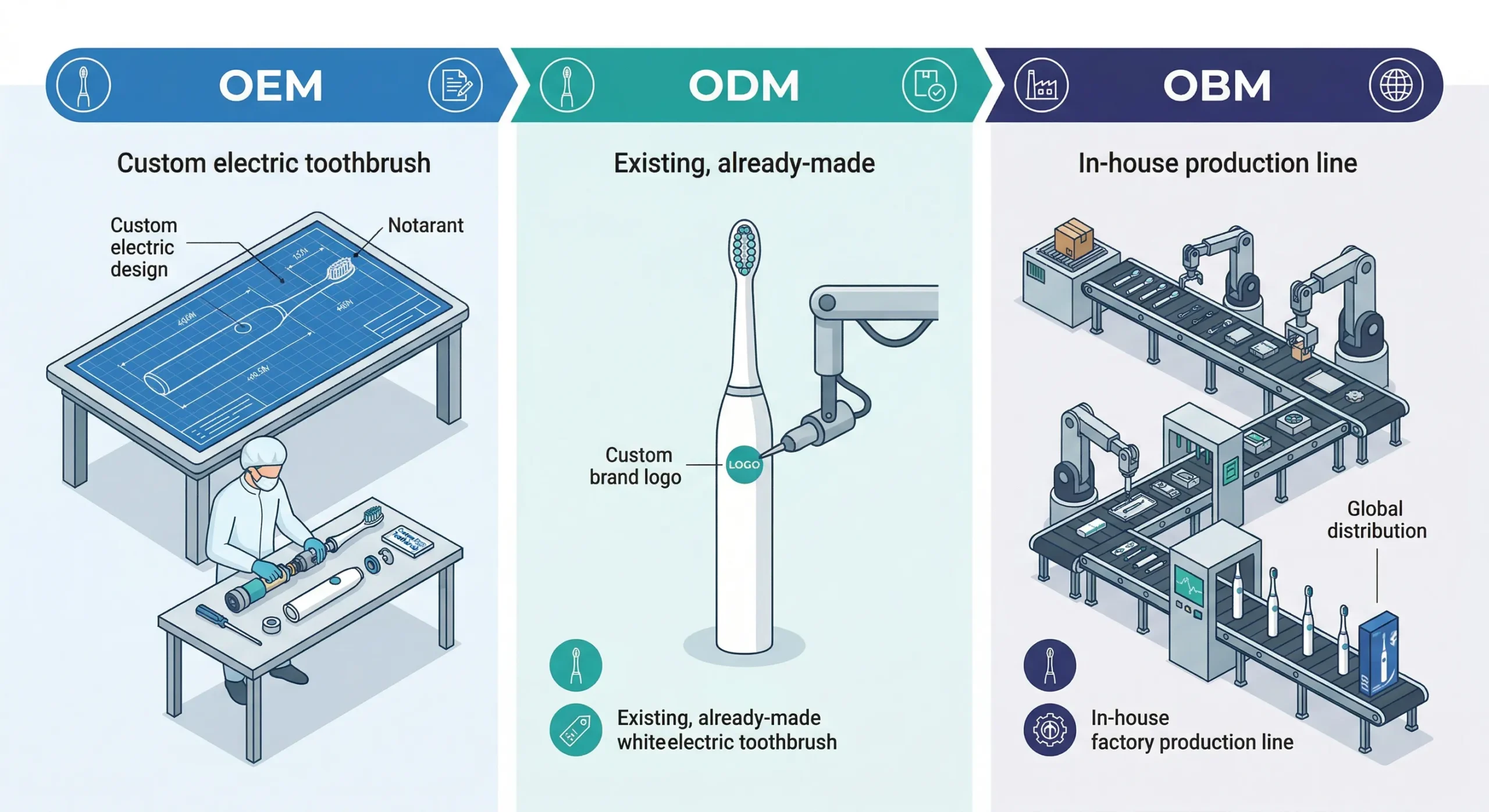
Questa è la decisione più importante che prenderai prima di iniziare la produzione OEM — e sbagliare può costarti mesi di tempo e decine di migliaia di dollari. Ecco una chiara ripartizione di ciascun modello.
| Fattore | OEM | ODM | OBM |
|---|---|---|---|
| Cosa significa | Tu progetti il prodotto; la fabbrica produce secondo le tue specifiche | La fabbrica ha progetti esistenti che personalizzi con il tuo marchio | Progetti, produci e vendi sotto il tuo marchio |
| Controllo del design | Completo — possiedi la proprietà intellettuale del design | Limitato — la fabbrica possiede il design principale | Completo — tutto internamente |
| Time to market | 90–150 giorni (nuovi stampi + test) | 30–60 giorni (solo personalizzazione) | 180–365 giorni (costruisci tutto) |
| MOQ tipico | 000–5.000 unità | 300–2.000 unità | N/D (la tua fabbrica) |
| Costo unitario | Più alto (investimento negli stampi ammortizzato) | Più basso (costi di attrezzatura condivisi) | Il più alto (spese generali complete) |
| Differenziazione | Alta — prodotto unico | Media — personalizzazione estetica | Massimo |
| Investimento iniziale | $5.000–$30.000 (stampi + R&S) | $500–$5.000 (branding + packaging) | $500.000+ (allestimento fabbrica) |
| Ideale per | Marchi che desiderano prodotti unici e difendibili | Marchi che entrano rapidamente nel mercato con basso rischio | Grandi aziende con volumi massicci |
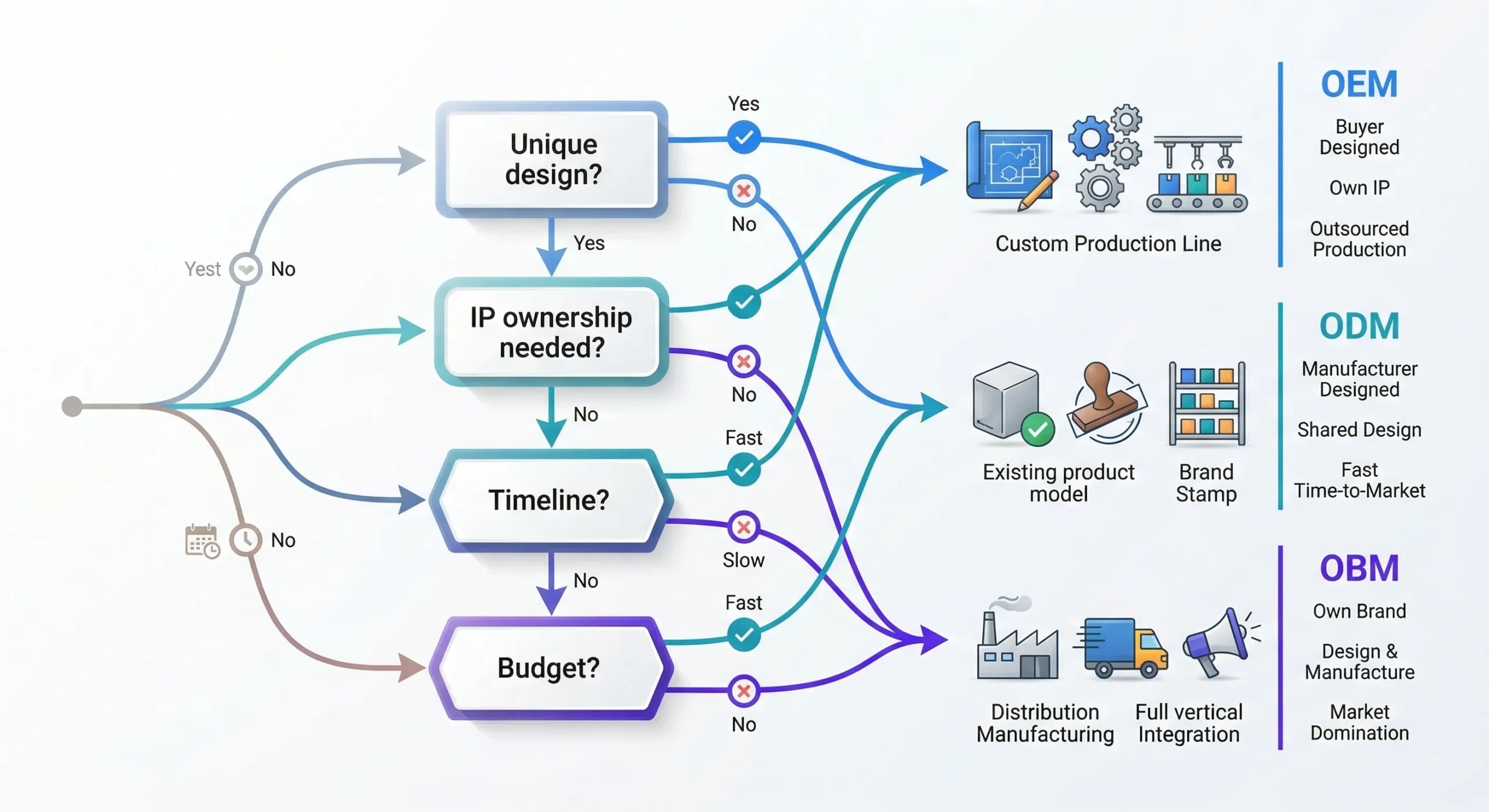
Albero decisionale: quale modello è giusto per te?
Consiglio professionale
Molti marchi di successo iniziano con ODM per test di mercato (convalidare la domanda, raccogliere feedback dei clienti), poi passano a OEM per il loro prodotto di seconda generazione basato su dati reali degli utenti. Questo approccio ibrido minimizza il rischio mentre si costruisce verso una linea di prodotti unica.
Per saperne di più: Per un confronto approfondito, consulta la nostra guida dettagliata su OEM vs ODM vs OBM per i marchi di cura orale.
Come trovare un produttore affidabile di spazzolini elettrici OEM in Cina
Ci sono migliaia di fabbriche che affermano di produrre spazzolini elettrici solo in Cina. La sfida non è trovare opzioni — è trovare quella giusta produttore OEM di spazzolini elettrici. Ecco sei canali comprovati e un quadro di valutazione.
Sei canali per trovare produttori
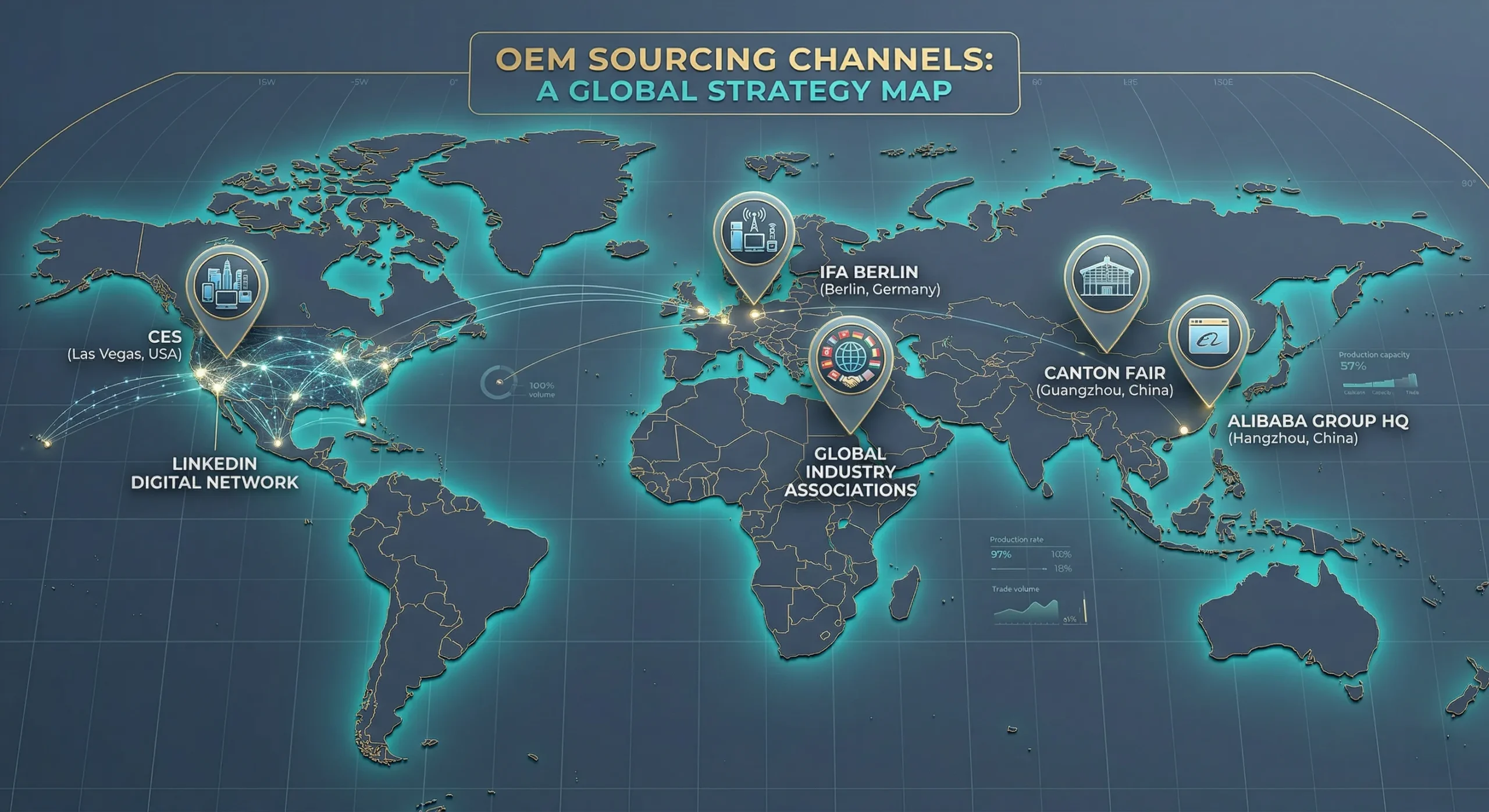
- Fiere: La Fiera di Canton (Guangzhou, aprile e ottobre), CES (Las Vegas) e IFA (Berlino) sono i principali eventi in cui i produttori OEM espongono.
- Piattaforme B2B: Alibaba, Made-in-China e Global Sources elencano migliaia di fornitori. Usa filtri per "Fornitore verificato" e "Garanzia commerciale"."
- Directory di settore: Directory specializzate nell'approvvigionamento di prodotti per la cura orale curano produttori pre-selezionati con profili di capacità dettagliati.
- Ricerca Google: Query di ricerca come "produttore OEM spazzolini elettrici Cina" mostrano siti web di fabbriche con specifiche e certificazioni dettagliate.
- Associazioni di settore e referenze: L'Associazione cinese dei prodotti per la cura orale e colleghi del settore possono fornire raccomandazioni verificate.
- Social media & LinkedIn: Molti produttori legittimi mantengono profili LinkedIn attivi che mostrano capacità e casi studio di clienti.
Lista di controllo per la valutazione dello stabilimento
- Licenze commerciali e certificazioni: Verificare la licenza commerciale cinese della fabbrica, la certificazione di gestione qualità ISO 9001 e certificazioni specifiche del prodotto (CE, FCC, FDA)
- Capacità produttiva: Confermare che dispongano di stampaggio a iniezione interno, SMT per assemblaggio PCB, saldatura a ultrasuoni e linee di assemblaggio automatizzate — non solo accordi di società di trading
- Team R&D: Un vero dipartimento R&D con oltre 10 ingegneri indica che la fabbrica può gestire progetti personalizzati e supportare l'iterazione del prodotto
- Capacità produttiva: Chiedere la produzione mensile e il tasso di utilizzo attuale. Una fabbrica che opera all'80%+ di capacità potrebbe avere problemi di lead time; una sotto il 50% potrebbe indicare problemi di qualità o finanziari
- Sistema di controllo della qualità: Verificare che abbiano processi IQC (Controllo Qualità in Entrata), IPQC (Controllo Qualità in Produzione) e OQC (Controllo Qualità in Uscita) documentati e in pratica
- Referenze di clienti esistenti: Richiedere 2–3 referenze di clienti da contattare direttamente. I produttori legittimi le forniranno senza esitazione
- Qualità del campione: Ordinare sempre campioni prima di impegnarsi nella produzione. Testare la qualità della vibrazione dello spazzolino, la durata della batteria, l'integrità impermeabile e la qualità costruttiva complessiva
- Qualità della comunicazione: Valutare la loro competenza in inglese, il tempo di risposta e la disponibilità a fornire risposte tecniche dettagliate
Bandiere Rosse da Osservare
- La fabbrica non può fornire licenza commerciale verificabile o documenti di certificazione
- Prezzi insolitamente bassi (30%+ sotto la media di mercato) — si stanno tagliando angoli da qualche parte
- Riluttanza a consentire visite in fabbrica o tour video della fabbrica
- Nessun processo di controllo qualità o rapporto di ispezione documentato
- Società di trading che si spaccia per produttore (chiedere se possiedono le proprie linee di produzione)
Per saperne di più: Vedi la nostra guida passo-passo su Come valutare un partner OEM/ODM per spazzolini elettrici in Cina.
Spazzolino Elettrico Costo di produzione Ripartizione (2026)
Comprendere la struttura dei costi è essenziale per prezzare il tuo prodotto in modo redditizio. Il costo dello spazzolino elettrico OEM dipende principalmente dal livello di qualità, dal grado di personalizzazione e dalla quantità dell'ordine. Ecco una ripartizione dettagliata dalle nostre operazioni di produzione.
| Componente / Costo | Livello Base | Media gamma | Premio |
|---|---|---|---|
| Motore | $0.30–0.50 (senza nucleo standard) | $0.60–1.20 (sonico, 30.000+ RPM) | $1.50–3.00 (levitazione magnetica) |
| Batteria | $0.20–0.40 (NiMH, 600mAh) | $0.50–1.00 (Li-ion, 1000mAh) | $1.20–2.50 (Li-ion, 2000mAh+) |
| PCBA / Controller | $0.40–0.80 (timer base) | $0.80–1.50 (multi-modalità, sensore di pressione) | $2.00–5.00 (intelligente, Bluetooth, abilitato app) |
| Testina dello Spazzolino | $0.10–0.20 (nylon standard) | $0.25–0.50 (setole DuPont) | $0.50–1.50 (premium, tipi multipli) |
| Alloggiamento / Guscio | $0.30–0.60 (ABS, finitura base) | $0.60–1.20 (ABS/PP, soft-touch) | $1.50–3.00 (materiali premium, accenti metallici) |
| Sistema di Ricarica | $0.20–0.40 (cavo USB-C) | $0.50–1.00 (induttivo wireless) | $1.50–3.00 (wireless rapido + custodia) |
| Assemblaggio e Collaudo | $0.30–0.50 | $0.50–0.80 | $1.00–2.00 |
| Imballaggio | $0.20–0.40 (confezione base) | $0.50–1.00 (pronto per la vendita al dettaglio) | $1.50–3.50 (unboxing premium) |
| TOTALE per unità | $2.00–3.90 | $4.25–7.20 | $10.20–23.50 |
| Prezzo al dettaglio tipico | $9.99–19.99 | $29.99–59.99 | $79.99–199.99 |
| Margine lordo | 60–80% | 70-85% | 75-88% |
Note Importanti sui Costi
- I prezzi sopra sono stime con MOQ di 1.000 unità. Scalando a 5.000+ unità, i costi unitari si riducono tipicamente del 15-30%.
- Costi degli stampi ($3.000–$15.000 per set di stampi) sono un investimento una tantum per progetti OEM, ammortizzato sul volume di produzione.
- Costi di certificazione ($2.000–$8.000 a seconda dei mercati di destinazione) sono tipicamente condivisi tra le famiglie di prodotti.
- Costi di spedizione ($0.50–2.00/unità via mare, $3–8/unità via aerea) sono significativi e spesso trascurati nei budget iniziali.
Strategie di Riduzione dei Costi
- Utilizzare componenti standard: Motori, batterie o chip personalizzati aumentano sia i costi che i tempi di consegna. I componenti standard raggiungono l'80% delle prestazioni al 50% del costo.
- Ridurre al minimo la complessità degli SKU: Ogni variante di colore, materiale o funzionalità richiede una gestione separata dell'inventario e può aumentare le quantità minime d'ordine.
- Sfruttare le economie di scala: Ordinare 5.000+ unità anziché 1.000 per ridurre significativamente l'ammortamento degli utensili per unità e i costi dei materiali.
- Raggruppare le certificazioni: Pianificare tutti i mercati di destinazione in anticipo in modo che le certificazioni siano effettuate simultaneamente anziché in sequenza.
Per saperne di più: Per l'analisi completa dei costi con calcoli dei margini di profitto, consultare il nostro Costo di produzione dello spazzolino elettrico e margini di profitto (2026).
Requisiti Essenziali Certificazioni e di Conformità
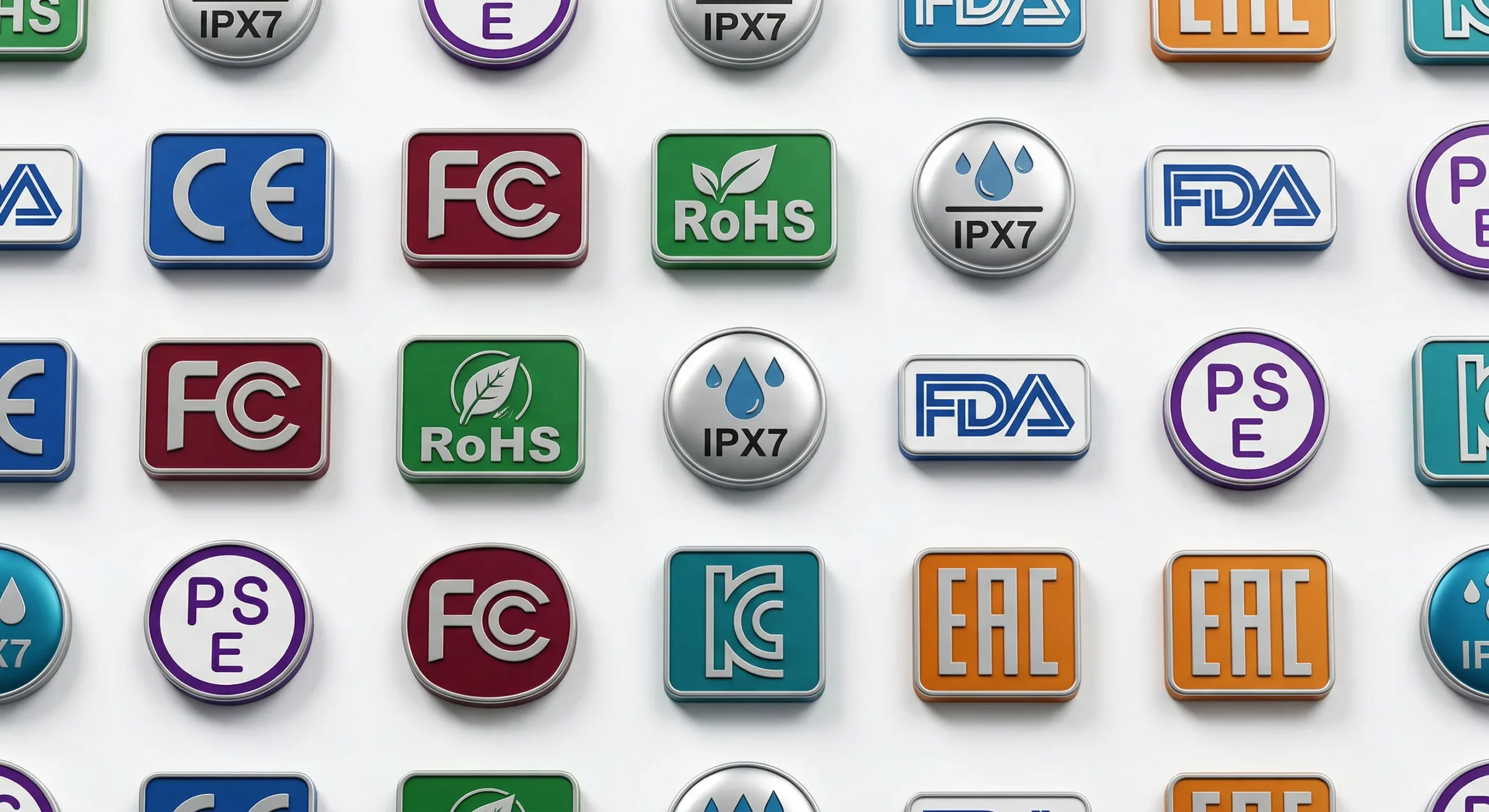
La vendita di spazzolini elettrici nei mercati internazionali richiede specifici certificazioni. La non conformità può comportare sequestro doganale, richiami di prodotti, rimozione delle inserzioni Amazon e responsabilità legali. Ecco cosa serve per ogni mercato principale.
| Mercato | Certificazione | Ambito | Costo tipico | Linea temporale |
|---|---|---|---|---|
| Unione europea | Marcatura CE | Sicurezza elettrica (LVD), EMC, restrizione materiali RoHS | $2.000–5.000 | 3-6 settimane |
| Unione europea | Direttiva RoHS | Restrizione di sostanze pericolose (piombo, mercurio, cadmio, ecc.) | Inclusa nella CE | Inclusa nella CE |
| Unione europea | REACH | Registrazione e restrizione delle sostanze chimiche | $500–1.500 | 2-4 settimane |
| Stati Uniti | FCC | Interferenze elettromagnetiche ed emissioni di radiofrequenza | $1.500–3.000 | 2-4 settimane |
| Stati Uniti | Registrazione presso la FDA | Richiesto se commercializzato con indicazioni terapeutiche; dispositivo medico di Classe II | $1.000–3.000 | 4-8 settimane |
| Giappone | Marchio PSE | Sicurezza degli apparecchi elettrici (obbligatoria per dispositivi a batteria) | $2.000–4.000 | 4–6 settimane |
| Corea del Sud | Marchio KC | Sicurezza elettrica e compatibilità elettromagnetica | $1.500–3.000 | 3–5 settimane |
| Russia / CSI | EAC | Conformità ai regolamenti tecnici dell'Unione Doganale | $2.000–4.000 | 4-8 settimane |
| Tutti i mercati | Impermeabile IPX7 | Grado di protezione dall'acqua (immersione fino a 1 metro per 30 minuti) | $300–800 | 1-2 settimane |
Vantaggio del Produttore
Collaborare con un produttore affermato che già possiede queste certificazioni può ridurre significativamente i tempi e i costi di conformità. Molte certificazioni coprono famiglie di prodotti, il che significa che aggiungere un nuovo SKU sotto una certificazione esistente può richiedere solo un aggiornamento minore anziché test completi.
Grado di Protezione dall'Acqua: Perché IPX7 è Importante
Gli spazzolini elettrici vengono utilizzati in ambienti bagno umidi. IPX7 è il grado di protezione standard del settore, il che significa che il dispositivo può resistere all'immersione in acqua fino a 1 metro di profondità per 30 minuti. Questo è essenziale per:
- Sicurezza del cliente (prevenzione di rischi elettrici)
- Durabilità del prodotto e riduzione dei reclami in garanzia
- Requisiti di distribuzione al dettaglio (Amazon, farmacie, supermercati)
- Conformità alle certificazioni (IPX7 è citato negli standard di test di sicurezza dei prodotti per la maggior parte dei mercati internazionali)
- Fiducia del consumatore e affidabilità del marchio in ambienti bagno
- Durabilità a lungo termine in condizioni umide e ad alta temperatura
I test IPX7 sono condotti da laboratori terzi accreditati come SGS, TUV Rheinland o Intertek. Richiedere sempre una copia del rapporto di test, non solo il certificato — i rapporti mostrano dati di test effettivi che possono essere preziosi per la conformità dei rivenditori.
Per saperne di più: Per una checklist completa delle certificazioni, consulta la nostra Guida alla Certificazione per l'Esportazione di Spazzolini Elettrici (2026).
Il Processo OEM Completo: Dalla Richiesta alla Consegna
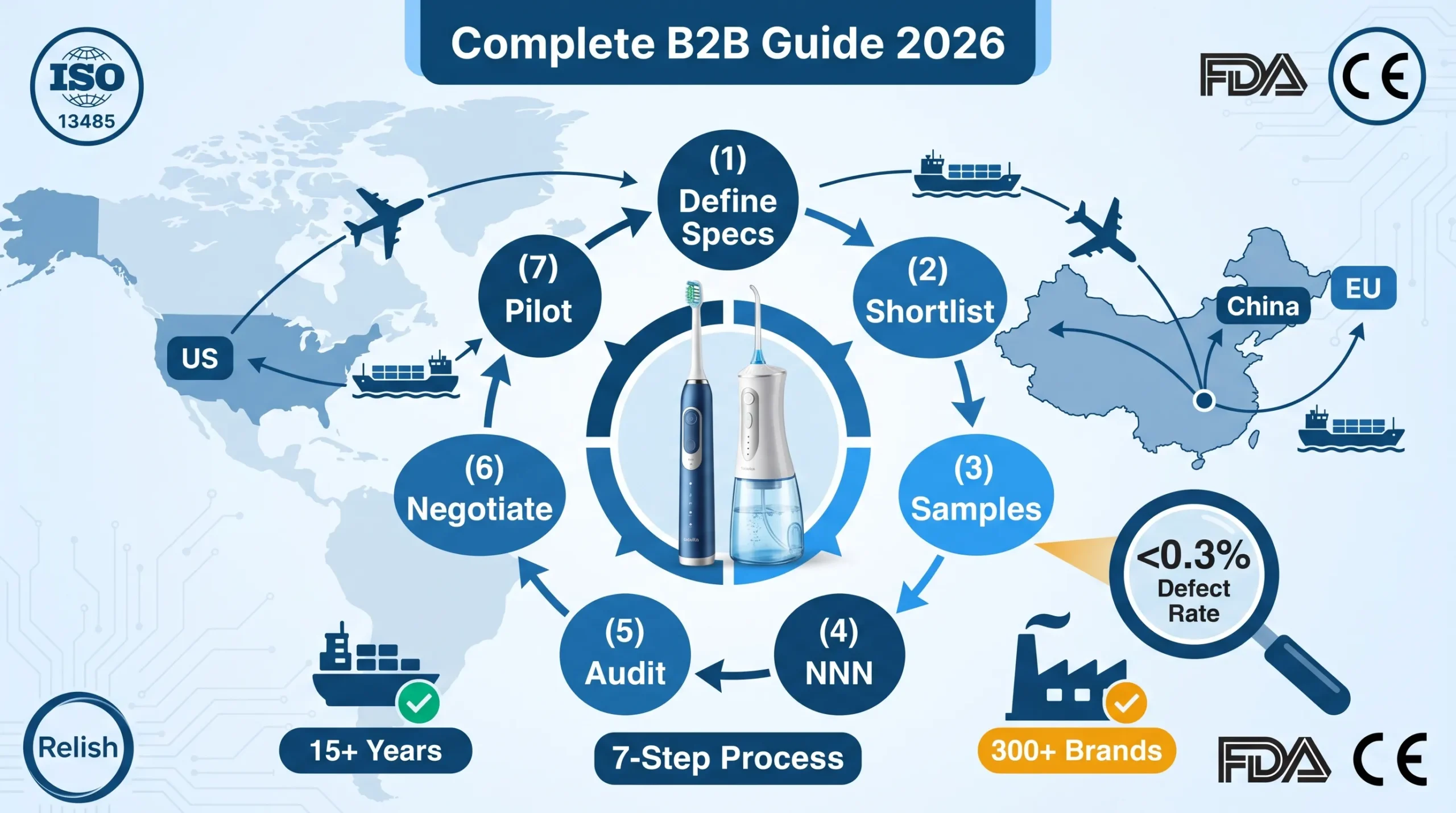
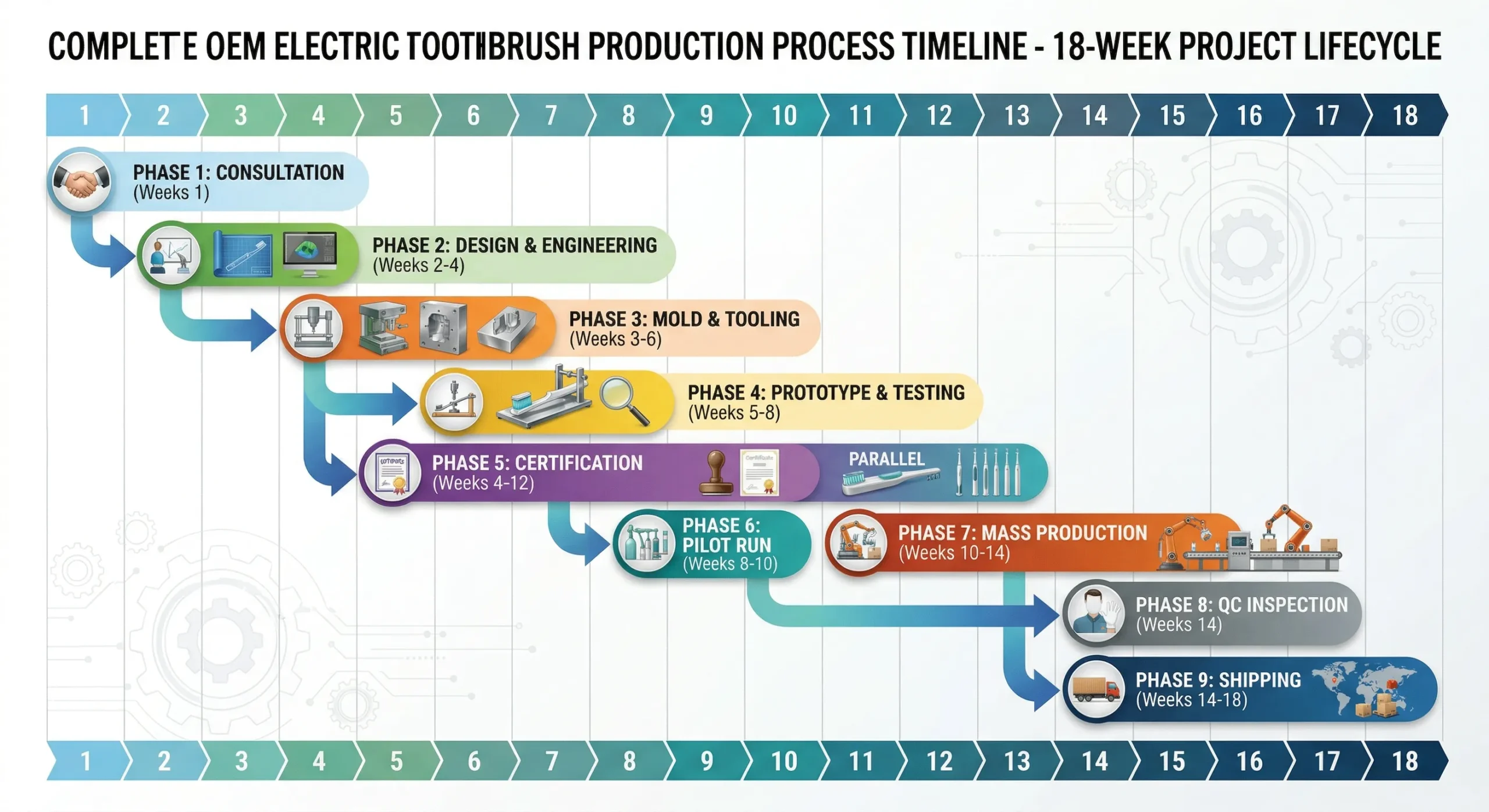
Un processo strutturato di produzione OEM di spazzolini elettrici richiede in genere 60–120 giorni dalla richiesta iniziale alla consegna del prodotto finito. Ecco una ripartizione dettagliata fase per fase.
Fase 1: Richiesta Iniziale e Selezione della Fabbrica (Settimana 1–2)
- Definisci i requisiti del tuo prodotto: Compila specifiche dettagliate includendo dimensioni del prodotto, tipo di motore, capacità della batteria, grado di protezione dall'acqua, preferenze di colore/materiale, prezzo al dettaglio target e requisiti di quantità
- Richiedi preventivi a 3–5 fabbriche: Fornisci specifiche identiche a ciascuna fabbrica per garantire preventivi comparabili. Chiedi ripartizioni dettagliate: costi dello stampo, prezzi per unità a diversi volumi, costi di certificazione e stime di spedizione
- Valuta i preventivi in modo critico: Il preventivo più basso non è sempre il migliore. Confronta la qualità dei campioni, la reattività della comunicazione, le credenziali della fabbrica e la flessibilità
- Firma un NDA (Accordo di Non Divulgazione): Prima di condividere progetti dettagliati, fai firmare alla fabbrica un NDA reciproco per proteggere la tua proprietà intellettuale
Cosa Includere nella Tua RFQ (Richiesta di Preventivo)
- Specifiche del prodotto: dimensioni, materiali, specifiche del motore, tipo di batteria
- Quantità dell'ordine e requisiti di tempistica di consegna
- Mercati target e certificazioni richieste
- Requisiti di imballaggio (scatola retail, cartone master)
- Quantità e tempistiche dei campioni
- Termini di pagamento previsti (tipicamente 30% acconto, 70% saldo prima della spedizione)
Fase 2: Sviluppo campioni e prototipi (Settimana 3–6)
- Revisione tecnica: Il team di ingegneria della fabbrica esamina le vostre specifiche e segnala eventuali sfide tecniche, alternative di materiali o suggerimenti per l'ottimizzazione dei costi
- Creazione stampi/attrezzature: Per alloggiamenti personalizzati, la fabbrica crea stampi a iniezione. Questo è un processo di 3–4 settimane con costi che vanno da 3.000 a 15.000 USD a seconda della complessità. Per prodotti ODM, questo passaggio viene saltato
- Campione prototipo: I primi campioni vengono prodotti per la vostra revisione. Per gli spazzolini elettrici, prestate particolare attenzione alla qualità della vibrazione del motore, alla durata della batteria nei test reali, all'integrità dell'impermeabilità e all'affidabilità del sistema di ricarica
- Revisione del campione: In base al vostro feedback, la fabbrica apporta modifiche. Tipicamente sono necessari 1–3 cicli di revisione. Prevedete almeno 2 settimane per le revisioni
- Approvazione del campione di pre-produzione: Un campione finale che rappresenta la qualità della produzione di serie. Questo diventa il vostro standard di riferimento
Checklist test campioni
Prima di approvare i campioni di pre-produzione, eseguite questi test:
- Test di scarica batteria di 72 ore: Fate funzionare lo spazzolino continuativamente per verificare che la durata della batteria corrisponda alle specifiche
- Test di tenuta all'acqua: Immergete in acqua per oltre 30 minuti a 1 metro di profondità (oltre il requisito IPX7)
- Drop test: Caduta da 1 metro di altezza su superficie dura per 5 volte per verificare eventuali crepe nell'alloggiamento
- Test di connessione della testina: Verificate che la testina si attacchi/rimuova saldamente per oltre 50 volte
- Compatibilità di ricarica: Testate con più cavi di ricarica e adattatori di diversi mercati
- Ciclo termico: Testate a 0°C e 40°C per simulare le condizioni di stoccaggio e spedizione
Fase 3: Produzione di serie (Settimana 7–10)
- Pagamento acconto: Tipicamente il 30% del valore totale dell'ordine viene pagato per avviare la produzione di serie
- Programmazione produzione: La fabbrica programma il vostro ordine e fornisce una data di completamento stimata
- Ispezioni qualità in corso: Durante la produzione, i team qualità eseguono ispezioni in linea nei punti critici di controllo
- Ispezione a campione (opzionale): Voi o una società di ispezione terza (QIMA, Asia Inspection, Bureau Veritas) potete eseguire ispezioni a campione
- Pre-shipment inspection: Un'ispezione finale verifica quantità, imballaggio, etichettatura e test a campione casuali
Fase 4: Spedizione e dogana (Settimana 11–12)
- Pagamento saldo: Il restante 70% viene pagato prima della spedizione
- Preparazione documentazione: Fattura commerciale, lista di imballaggio, certificato di origine e polizza di carico
- Trasporto marittimo vs. aereo: Il trasporto marittimo (3–5 settimane per USA/Europa) è più conveniente per volumi superiori a 1.000 unità. Il trasporto aereo (3–7 giorni) è per spedizioni urgenti o di piccolo volume
- Sdoganamento: Collaborare con un agente doganale per sdoganare le merci al porto di destinazione
- Consegna finale: Dal porto al vostro magazzino o centro di distribuzione
Fattori temporali che possono ritardare il vostro progetto
- Revisioni stampi: Ogni revisione aggiunge 1–2 settimane. Ridurre al minimo le modifiche durante la fase di prototipo
- Ritardi di certificazione: I laboratori di test di terze parti possono impiegare più tempo durante le stagioni di punta (Q4 prima del Capodanno Cinese)
- Carenze di componenti: La carenza globale di semiconduttori può influenzare la disponibilità di PCB. Discutere le contingenze della supply chain in anticipo
- Stagioni festive: Il Capodanno Cinese (Gennaio/Febbraio) chiude la maggior parte delle fabbriche per 2–4 settimane
- Imballaggio personalizzato: Se il tuo imballaggio richiede linee di produzione separate, aggiungi 1–2 settimane alla tempistica
Per saperne di più: Vedi il nostro sito completo Tempistica OEM Spazzolino Elettrico: Guida al Processo Settimana per Settimana.
Controllo Qualità & Audit di Fabbrica Guida
Il controllo qualità non è un singolo passaggio — è un processo continuo che si estende per l'intero percorso di produzione OEM di spazzolini elettrici Senza di esso, rischi di ricevere spedizioni di prodotti difettosi, costosi richiami e danni al marchio.
Quadro di Audit di Fabbrica
| Categoria di Audit | Domande Chiave da Porre | Standard di Superamento |
|---|---|---|
| Legittimità aziendale | La licenza commerciale è corrente e verificabile? Qual è il loro capitale di registrazione? | Verificato tramite database aziendali Tianyancha o Qichacha |
| Capacità produttiva | Qual è la loro produzione mensile? Quante linee di produzione gestiscono? | Capacità >= 1.5x il volume del tuo ordine al mese |
| Certificazioni di qualità | Possiedono ISO 9001? Hanno certificazioni specifiche per prodotto? | ISO 9001:2015 o superiore, corrente e valida |
| Capacità ingegneristica | Quanti ingegneri R&D hanno? Possono creare nuovi stampi? | >= 5 ingegneri per fabbriche con capacità OEM |
| Attrezzature di test | Hanno vasche per test di impermeabilità, macchine per cicli batteria, tester di vibrazione? | Test interni per tutti i parametri critici |
| Condizioni dei lavoratori | I contratti di lavoro sono in atto? Qual è il tasso di turnover dei lavoratori? | Conformità alle leggi locali sul lavoro, turnover ragionevole |
| Conformità ambientale | Hanno trattamento delle acque reflue? Controlli materiali RoHS? | Permessi ambientali correnti e verificabili |
Controllo Qualità in Ogni Fase Produttiva
Controllo Qualità in Entrata (IQC)
Prima che i componenti siano utilizzati in produzione, devono essere verificati:
- Ispezione motore: Controllare RPM, livello di rumore e modello di vibrazione rispetto alle specifiche
- Ispezione PCB: Ispezione visiva sotto ingrandimento, test di funzionalità di base
- Test batteria: Verifica della capacità, test del ciclo di carica/scarica
- Ispezione dei materiali: Densità dell'alloggiamento in ABS, durezza delle setole, qualità della base di ricarica
Controllo Qualità in Processo (IPQC)
- Tenuta stagna: Controllo qualità della saldatura a ultrasuoni su ogni unità
- Installazione del motore: Verificare che il motore sia correttamente posizionato, allineato e fissato
- Collegamento PCBA: Controllare tutti i giunti di saldatura e le connessioni dei cavi
- Test funzionale: Ogni unità viene accesa e testata prima dell'assemblaggio finale
Controllo Qualità Finale / Controllo Qualità in Uscita (OQC)
- Ispezione visiva: Finitura superficiale, uniformità del colore, precisione del logo, condizioni dell'imballaggio
- Test funzionale: 100% delle unità accese e testate (non solo a campione)
- Ritest di tenuta stagna: Campionamento casuale dei prodotti finali per la conformità IPX7
- Ispezione dell'imballaggio: Verificare l'etichettatura della scatola di vendita, i codici a barre, i manuali utente e l'integrità del cartone master
- Verifica della quantità: Confermare la quantità corretta di ogni SKU in ogni cartone master
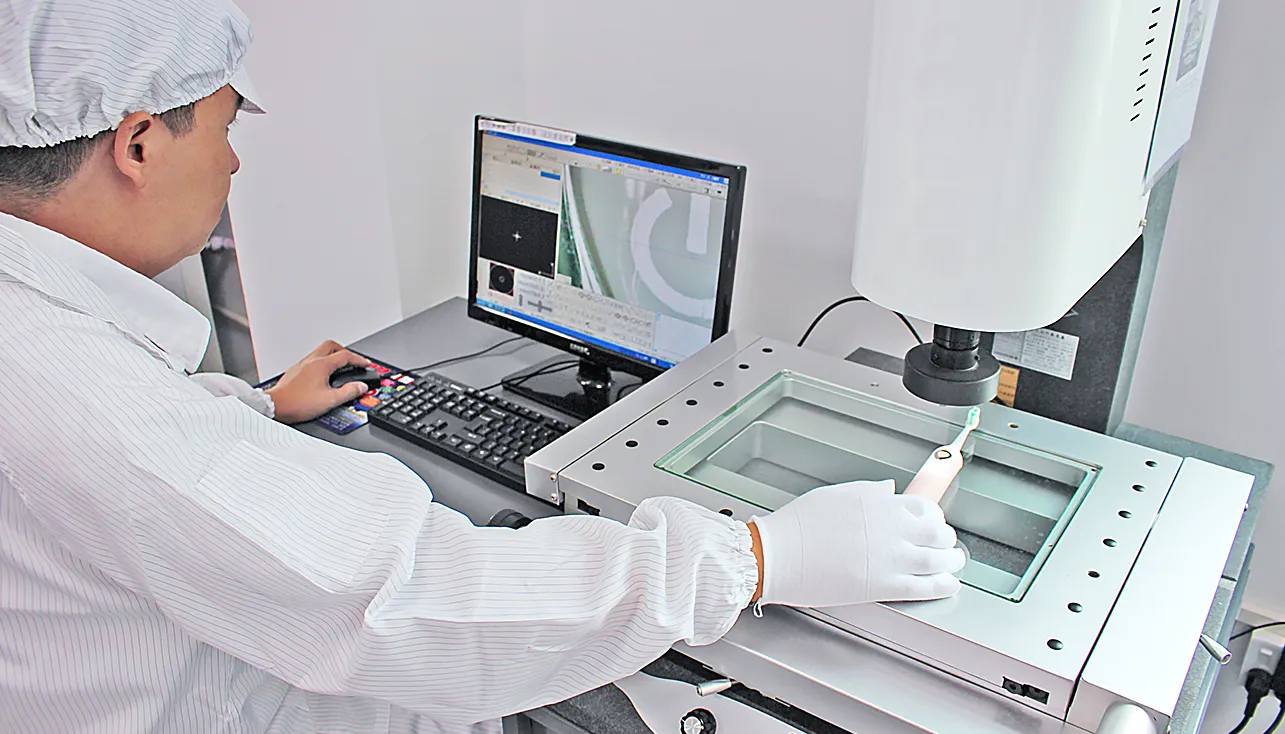
Ispezione di Terze Parti vs. Ispezione Interna
Le società di ispezione terze parti (QIMA, Asia Inspection, Bureau Veritas, SGS) forniscono valutazioni di qualità imparziali ma aggiungono costi ($200–$500 per giorno di ispezione). Per la maggior parte dei marchi startup, l'ispezione pre-spedizione interna in fabbrica combinata con un campionamento casuale di terze parti è l'approccio più conveniente.
Con la crescita dei volumi degli ordini, la transizione al campionamento AQL (Limite di Qualità Accettabile) al livello 2.5 o 4.0 diventa una pratica standard del settore.
Per saperne di più: Scarica il nostro gratuito Modello di Checklist per Audit di Fabbrica per Produttori OEM.
8. Branding a Marchio Privato: Dal Packaging al Lancio sul Mercato
La produzione di spazzolini elettrici a marchio privato è uno dei segmenti in più rapida crescita nell'igiene orale. Con la giusta imballaggio personalizzato strategia, puoi competere con marchi affermati a una frazione del costo.
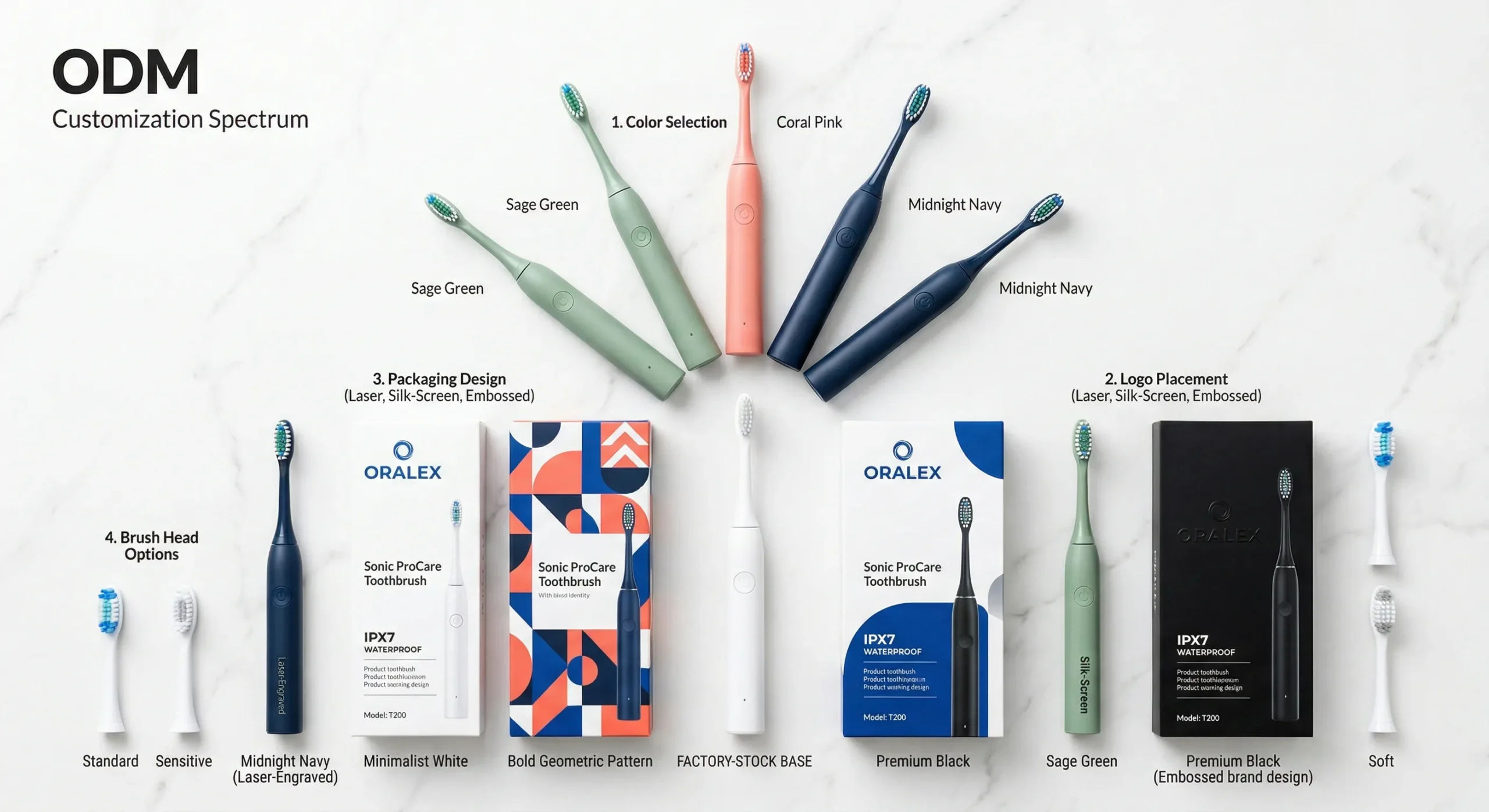
Cosa Puoi Personalizzare in uno Spazzolino Elettrico a Marchio Privato?
| Livello di Personalizzazione | Cosa è Incluso | Impatto MOQ | Impatto sui Costi |
|---|---|---|---|
| Livello 1: Solo Logo | Logo laser sull'impugnatura, scatola di vendita personalizzata con il tuo marchio | Minimo (300–500 unità) | Aggiunta minima |
| Livello 2: Colore + Logo | Colore personalizzato dell'alloggiamento (abbinato Pantone), scatola personalizzata | Medio (500–1.500 unità) | Moderato |
| Livello 3: Design Estetico | Forma modificata dell'alloggiamento, colori personalizzati, suite completa di imballaggio | Alto (1.000–3.000 unità) | Medio–Alto |
| Livello 4: Modifica delle Funzionalità | Regolare le specifiche del motore, aggiungere/rimuovere modalità, modificare la capacità della batteria | Molto Alto (2.000–5.000 unità) | Alto |
| Livello 5: OEM Completo | Prodotto completamente personalizzato, stampi propri, IP proprio | Massimo (3.000–10.000+ unità) | Molto Alto |
Requisiti di Imballaggio per i Mercati Internazionali
- Requisiti linguistici: Manuale utente e confezione nella lingua ufficiale di ogni mercato di destinazione — il nostro team di imballaggio personalizzato può assistere con la localizzazione
- Marchi CE / FCC / normativi: Visualizzati in modo prominente sul prodotto e sulla confezione
- Codice a barre (EAN/UPC): Ottenere un prefisso aziendale GS1 e generare codici a barre univoci per ogni SKU prima della produzione
- Importatore di riferimento: Richiesto sulla confezione per la conformità GPSR UE (dal 2024)
- Simbolo WEEE: Richiesto sui prodotti elettrici venduti nell'UE
- Simbolo di smaltimento batterie: Richiesto per prodotti con batterie integrate nell'UE
- Paese d'origine: "Made in China" è richiesto per merci di origine cinese
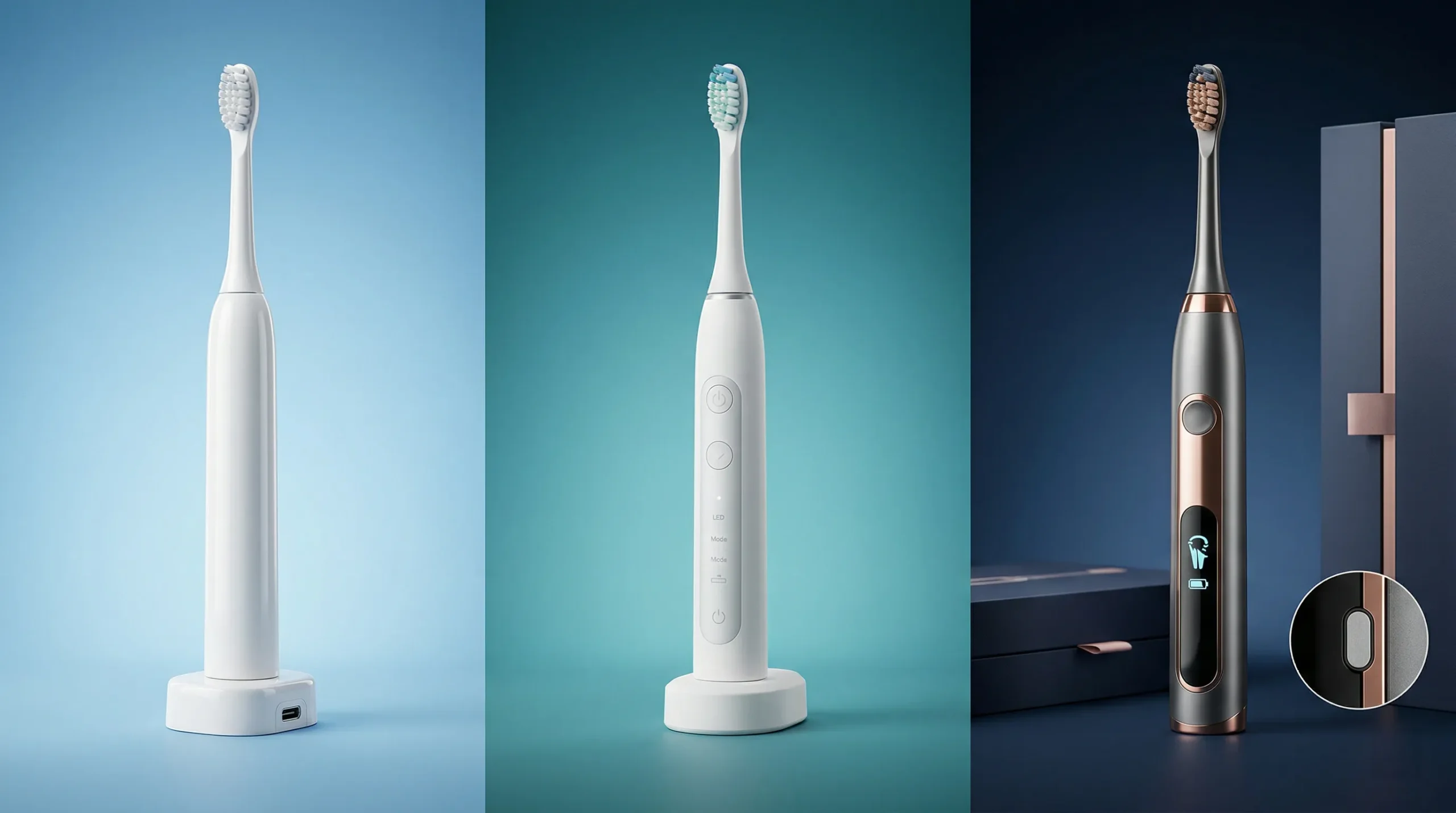
Posizionamento di Mercato per Marchi Private Label
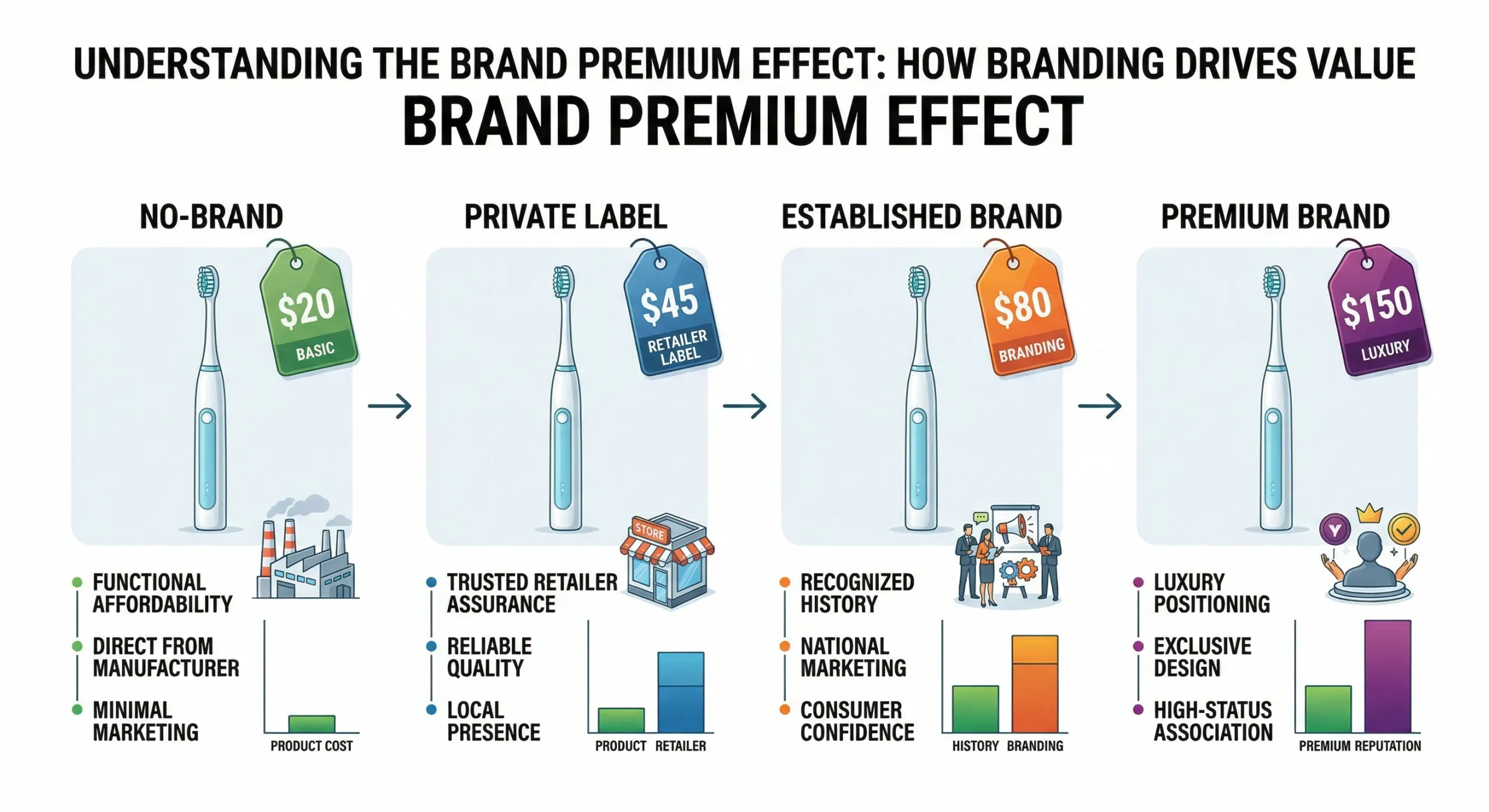
I private label di maggior successo marchi di spazzolini elettrici trovano uno specifico gap di posizionamento:
- Segmento valore: Offrire qualità comparabile ai grandi marchi a un prezzo inferiore del 30–50%
- Segmento specialistico: Concentrarsi su pubblici specifici: consumatori eco-consapevoli, gengive sensibili, pazienti ortodontici o spazzolini per bambini
- Segmento premium: Competere su estetica del design e funzionalità smart, puntando a consumatori urbani facoltosi
Per saperne di più: La nostra guida completa su Strategia Private Label per Marchi di Cura Orale: Dal Concept allo Scaffale del Retail.
Insidie OEM/ODM Comuni e Come Evitarle
Dopo aver lavorato con centinaia di marchi su percorso di produzione OEM di spazzolini elettrici progetti, abbiamo visto ripetersi gli stessi errori. Ecco una guida alle insidie più costose e come prevenirle.
Aspettative di Costo Irrealistiche
Molti acquirenti alle prime armi si aspettano costi inferiori dell'80–90% rispetto ai costi di produzione occidentali. Sebbene la Cina offra significativi vantaggi di costo, produrre uno spazzolino elettrico di qualità a 1,50 $ per unità semplicemente non è realistico — a meno di tagliare gli angoli.
La Soluzione: Ricercare i prezzi di mercato prima di negoziare. Uno spazzolino elettrico sonico di base a 1.000 unità dovrebbe costare almeno 3–5 $ per unità. Se un preventivo è significativamente inferiore, è un campanello d'allarme. Concentrarsi sul costo totale di possesso piuttosto che sul solo prezzo unitario.
Test dei Campioni Insufficienti
Abbiamo visto marchi approvare campioni dopo un'ispezione visiva di 5 minuti, per poi ricevere unità di produzione di massa chiaramente diverse in qualità. Problemi comuni: diversa intensità di vibrazione del motore, batteria più economica, scarsa tenuta stagna.
La Soluzione: Condurre test completi dei campioni per almeno 1–2 settimane. Testare la durata della batteria, l'integrità impermeabile, l'affidabilità della ricarica e la resistenza alle cadute. Documentare il campione approvato con foto e misurazioni come riferimento standard per la produzione.
Furto di IP e Design
La paura è reale — condividere progetti dettagliati con una fabbrica cinese comporta rischi. Abbiamo visto casi in cui i progetti della fabbrica apparivano sospettosamente simili a un prodotto proprietario del cliente.
La Soluzione: Lavorare con fabbriche che hanno politiche di protezione IP consolidate. Registrare i propri brevetti di design in Cina (CNIPA) prima di condividere specifiche dettagliate. Utilizzare un approccio graduale: condividere specifiche generali inizialmente, trattenere i disegni tecnici dettagliati fino alla firma del contratto.
Per i titolari di marchi che costruiscono prodotti da zero, leggere la nostra guida completa al design dello spazzolino elettrico — coprendo ogni fase, dalla selezione del motore alla produzione di massa.Rottura della Comunicazione
Differenze di fuso orario, barriere linguistiche e specifiche vaghe portano a prodotti che non corrispondono alla tua visione. "La fabbrica ha detto di aver capito" è una delle frasi più costose nella produzione OEM.
La Soluzione: Utilizza riferimenti visivi (disegni CAD, rendering 3D, prodotti di riferimento) insieme a specifiche scritte. Richiedi conferma scritta per ogni decisione chiave. Usa videochiamate per discussioni tecniche complesse. Designa un unico punto di contatto su entrambi i lati per evitare istruzioni contrastanti.
Ignorare le Realtà delle Certificazioni
Molti marchi sottovalutano i requisiti e le tempistiche delle certificazioni. Scoprire a metà progetto che è necessaria la registrazione FDA per il mercato USA può aggiungere mesi alla tua tempistica.
La Soluzione: Definisci tutti i mercati target e le certificazioni richieste prima di firmare qualsiasi contratto. Includi le tempistiche di certificazione nel tuo programma di progetto. Lavora con fabbriche che hanno certificazioni esistenti — può far risparmiare 4–8 settimane.
Trascurare il Controllo Qualità
Saltare il controllo qualità per risparmiare tempo o denaro è quasi sempre una falsa economia. Il costo di un richiamo prodotto, sospensione dell'account Amazon o recensioni negative supera di gran lunga la tassa di ispezione.
La Soluzione: Esegui sempre un'ispezione pre-spedizione, anche se con un campionamento AQL ridotto. Documenta ogni problema di qualità riscontrato durante l'ispezione e richiedi alla fabbrica di implementare azioni correttive prima della spedizione successiva.
Sottovalutare la Complessità della Spedizione
Ritardi nel trasporto marittimo, congestione portuale, problemi doganali e difficoltà di ricezione in magazzino possono tutti far deragliare una tempistica di lancio. Abbiamo visto prodotti perfettamente fabbricati rimanere in un porto per 3 settimane a causa di errori nella documentazione.
La Soluzione: Lavora con uno spedizioniere esperto che comprende la tua categoria di prodotto. Includi 2–4 settimane di tempo buffer per spedizione e dogana. Non spedire mai merci finché tutta la documentazione non è verificata.
Domande Frequenti (FAQ)
Pronto per Iniziare il Tuo Progetto OEM di Spazzolini Elettrici?
Che tu stia lanciando il tuo primo marchio private label o scalando una linea di prodotti esistente, Tecnologia Relish ha l'esperienza produttiva e i sistemi di controllo qualità per dare vita alla tua visione. Scopri cosa dicono i nostri clienti →
Ottieni oggi il tuo preventivo OEM gratuitoRiferimenti
- Straits Research (2026). Dimensioni del mercato degli spazzolini elettrici, quote e rapporto di settore, 2033. Estratto da https://straitsresearch.com/report/electric-toothbrush-market. Valutazione di mercato: 8,70 miliardi di USD (2024); Proiezione: 70,15 miliardi di USD (2033); CAGR: 26,1% (2025–2033).
- IndustryARC (2026). Rapporto di ricerca sul mercato degli spazzolini elettrici: dimensioni del mercato, prospettive di settore, previsioni di mercato, analisi della domanda, quota di mercato, 2024–2030. Estratto da https://www.industryarc.com/Report/17992/electric-toothbrush-market.html. Dimensioni del mercato stimate a 6,92 miliardi di USD entro il 2030; CAGR: 7,76%.
- Made-in-China.com (2026). Elenco di fabbriche OEM di spazzolini elettrici. Recuperato da https://www.made-in-china.com/factory/electric-toothbrushes.html.
- Aiwejay Produttore di spazzolini elettrici (2026). Soluzioni OEM e ODM per marchi di spazzolini elettrici. Recuperato da https://www.aiwejay.com/en/h-nd-122.html.
- Commissione Europea (2024). Direttiva sulle apparecchiature radio (RED) 2014/53/UE — Requisiti di marcatura CE per dispositivi wireless, inclusi spazzolini elettrici con connettività Bluetooth.
- U.S. Food and Drug Administration (FDA) (2024). Classificazione come dispositivo medico di Classe II per spazzolini elettrici. Estratto da https://www.fda.gov.