








The History of the Water Flosser
A water flosser, also called an oral irrigator, is a device for oral cleaning at home. In 1962, dentist Gerald Moyer and engineer John Mattingly developed an early water flosser in Fort Collins, Colorado.
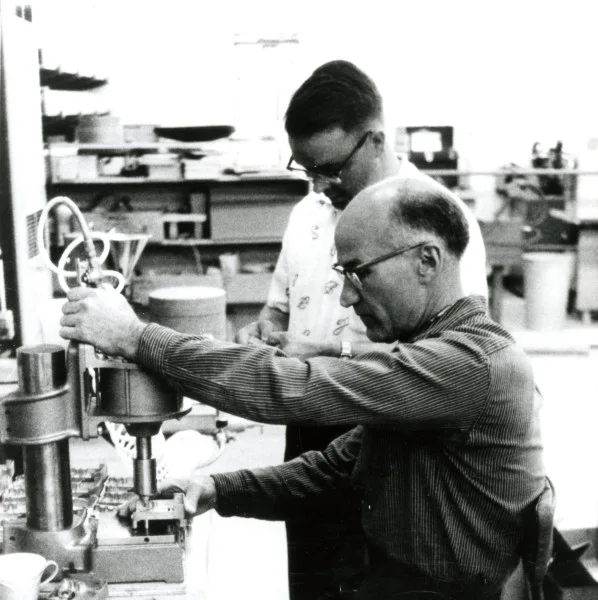
Waterpik’s product history includes countertop and portable water flossers. Some Waterpik products have received the American Dental Association (ADA) Seal of Acceptance. The Seal applies to listed products, not to a brand as a whole.
What a Water Flosser Does
A water flosser directs a pulsating stream around the teeth and gumline to help rinse away food debris. In a laboratory study on extracted teeth, water-flosser use reduced plaque on treated surfaces after three seconds; results varied by tip and test conditions. Those findings describe a laboratory setup, not a guaranteed result for every user. A water flosser can complement toothbrushing but does not replace it.
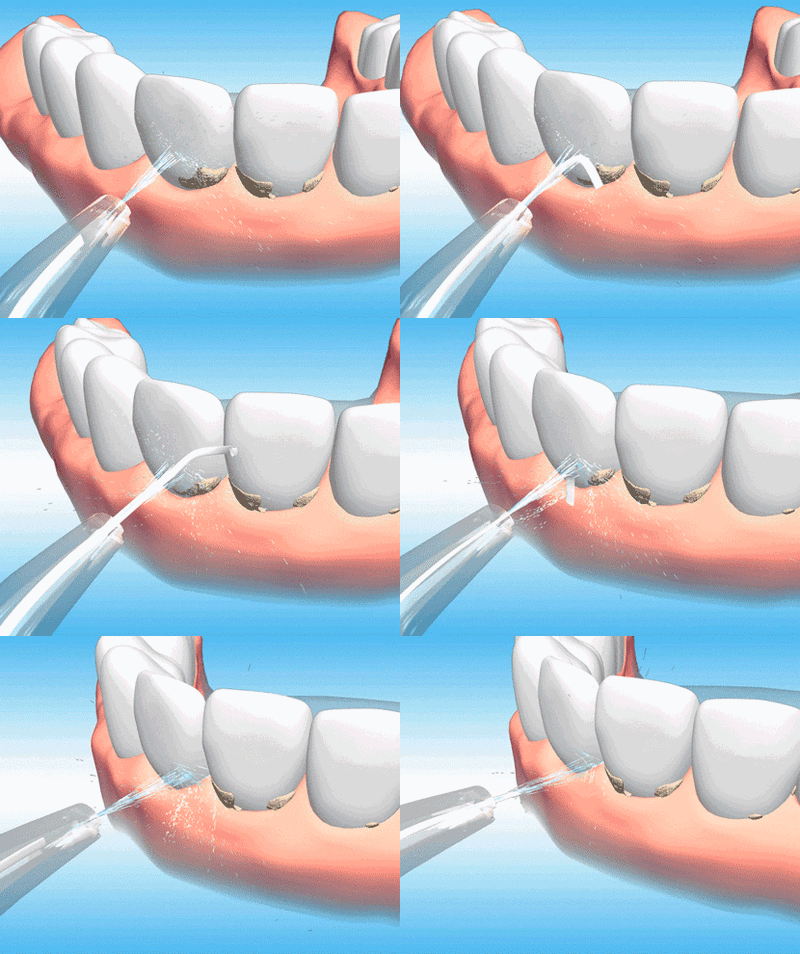
Dental plaque is a biofilm that forms on tooth surfaces and contains bacteria. If it is not removed, it can contribute to tooth decay and gum disease. Bleeding gums, persistent pain, loose teeth, and bad breath can have different causes; a dental professional can assess them.
How a Water Flosser Works
Most water flossers use a pump to pressurize water and deliver it in pulses. The stream can help rinse debris from between teeth and along the gumline. Use the tip and pressure setting recommended for the specific device.
Examples of Waterpik Product Lines
Waterpik’s product history includes countertop and portable water flossers. Model names, specifications, and availability vary by market and year. The examples below are older model references, not a complete current catalog; check the manual for the exact regional model before relying on its specifications.
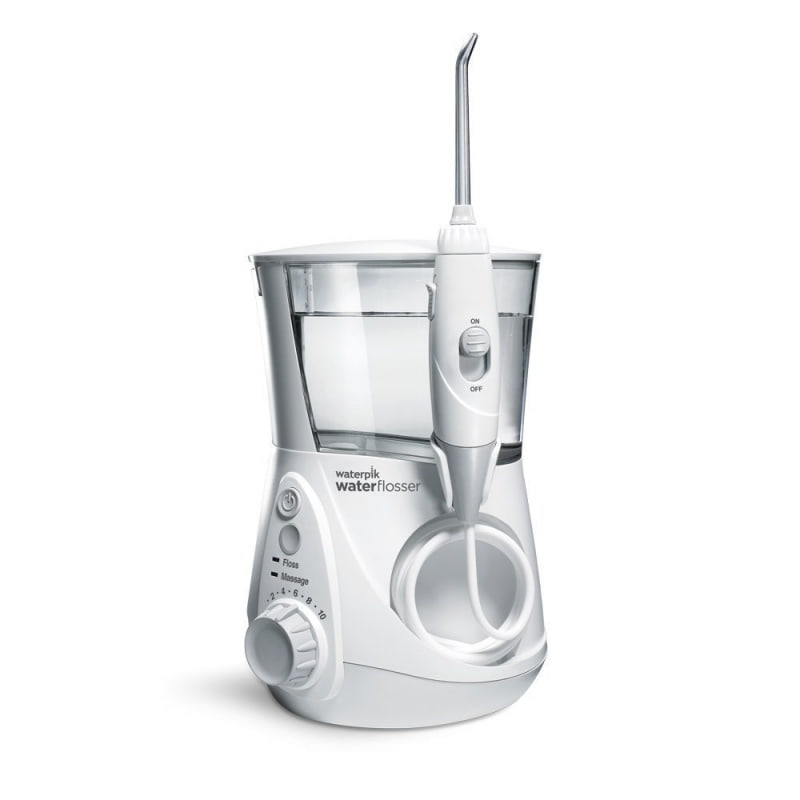
Portable models are designed to be easier to carry than countertop units. Names and features can vary between regional versions, so confirm details against the manual for the exact model.
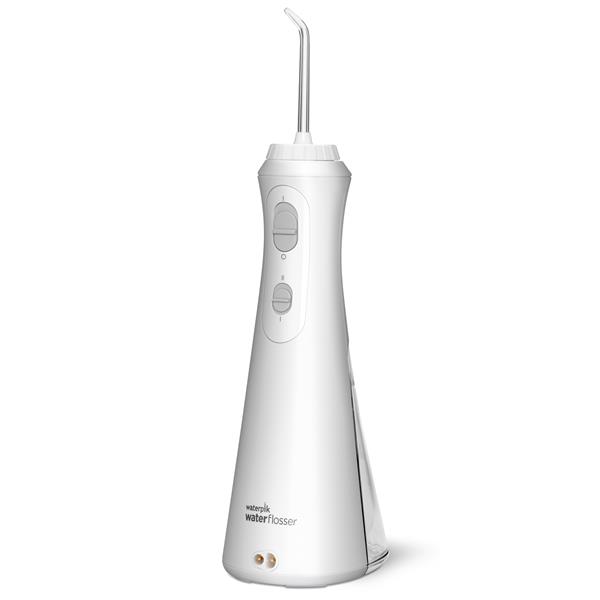
WF-03EC Portable Model
WF-03EC is identified here as an entry-level portable model. Confirm its pressure settings, power source, and reservoir capacity against the manual for the exact regional version.
WP-450/460EC Portable Models
WP-450 and WP-460 refer to older portable model names. Charging method, charging time, run time, and reservoir capacity may differ by regional version; consult the applicable manual.
Power Source and Charging
Cordless designs can use replaceable batteries or a rechargeable battery. Waterpik’s WF-03-series manual specifies three AA batteries; its WP-450-series manual describes a rechargeable design. Check the exact regional manual for battery care and charging instructions.
Pressure Settings and Safe Use
Compare the pressure settings and tip options for the intended user. Start at the lowest setting recommended in the manual. Use a device in the shower only when its manufacturer expressly permits it; a water-resistance rating alone does not establish shower suitability.
Reservoir and Everyday Maintenance
Reservoir capacity affects how often a device needs refilling. Also compare how the reservoir detaches, how the device is cleaned and whether replacement tips are available. Follow the model’s cleaning instructions, particularly when electrical parts or rechargeable batteries are involved.
Panasonic Water Flossers
Panasonic has offered oral irrigators in multiple designs and generations. Its EW1411 is one example with Jet, Interdental and two AIR IN modes; these model-specific settings should not be generalized to other Panasonic devices.
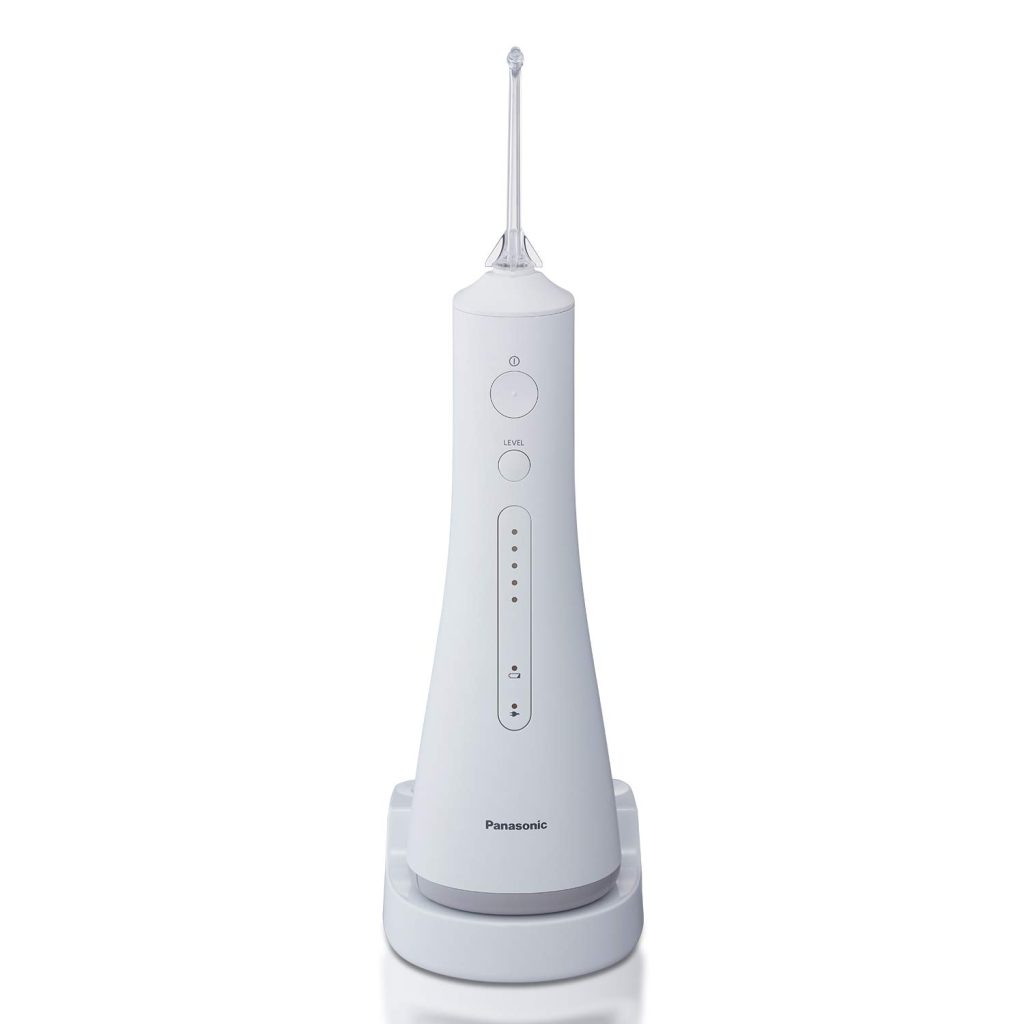
Waterpik and Panasonic models use different designs across their product lines. Compare specific models using verified specifications rather than assuming one brand is more effective or gentler for every user.
Panasonic features vary by model. Some manufacturer materials describe AIR IN modes or microbubble features on specific devices; those descriptions should not be generalized to every Panasonic water flosser.
Panasonic Water Flosser Features
Model-Specific Water-Flow Features
Water-flow features depend on the model. Use the manufacturer’s description for the specific device; do not assume that every Panasonic irrigator uses ultrasonic waves or adds oxygen to the water.
Water pressure and flow can feel different between devices and users. Check the available settings and follow the product instructions. People with sensitive teeth or gums can ask a dental professional which tip and setting are appropriate for them.
Food may become trapped between teeth for different reasons. Gum recession can be one factor, but it does not explain every case. A water flosser can help rinse accessible spaces; it does not treat gum recession.
Portability and Storage Depend on the Model
Features such as a retractable body or removable reservoir are model-specific. Check the applicable instructions before disassembling or cleaning a device.
EW1411 is a portable model example. Charging, storage, nozzle positions, and travel details should be confirmed in the manual for the local version rather than generalized to other model numbers.
Shenzhen Relish manufactures electric toothbrushes and oral irrigators and offers wholesale and OEM customization services. Contact Relish for product and customization details.
Sources
Waterpik. WF-03 Instruction Manual; Waterpik. WP-450 Instruction Manual; Panasonic. EW1411 Product Information.