



Electric Toothbrush OEM/ODM Manufacturing Process Guide
A B2B guide to choosing OEM or ODM, defining a customization brief, evaluating samples, and managing electric toothbrush development from inquiry to delivery.
目录
1.什么是 OEM/ODM 电动牙刷制造?
如果您想推出 private label electric toothbrush range, 您不需要从零开始建立工厂。这就是 OEM(原始设备制造商) 和 原始设计制造商(ODM) 伙伴关系是全球口腔护理行业的支柱。.
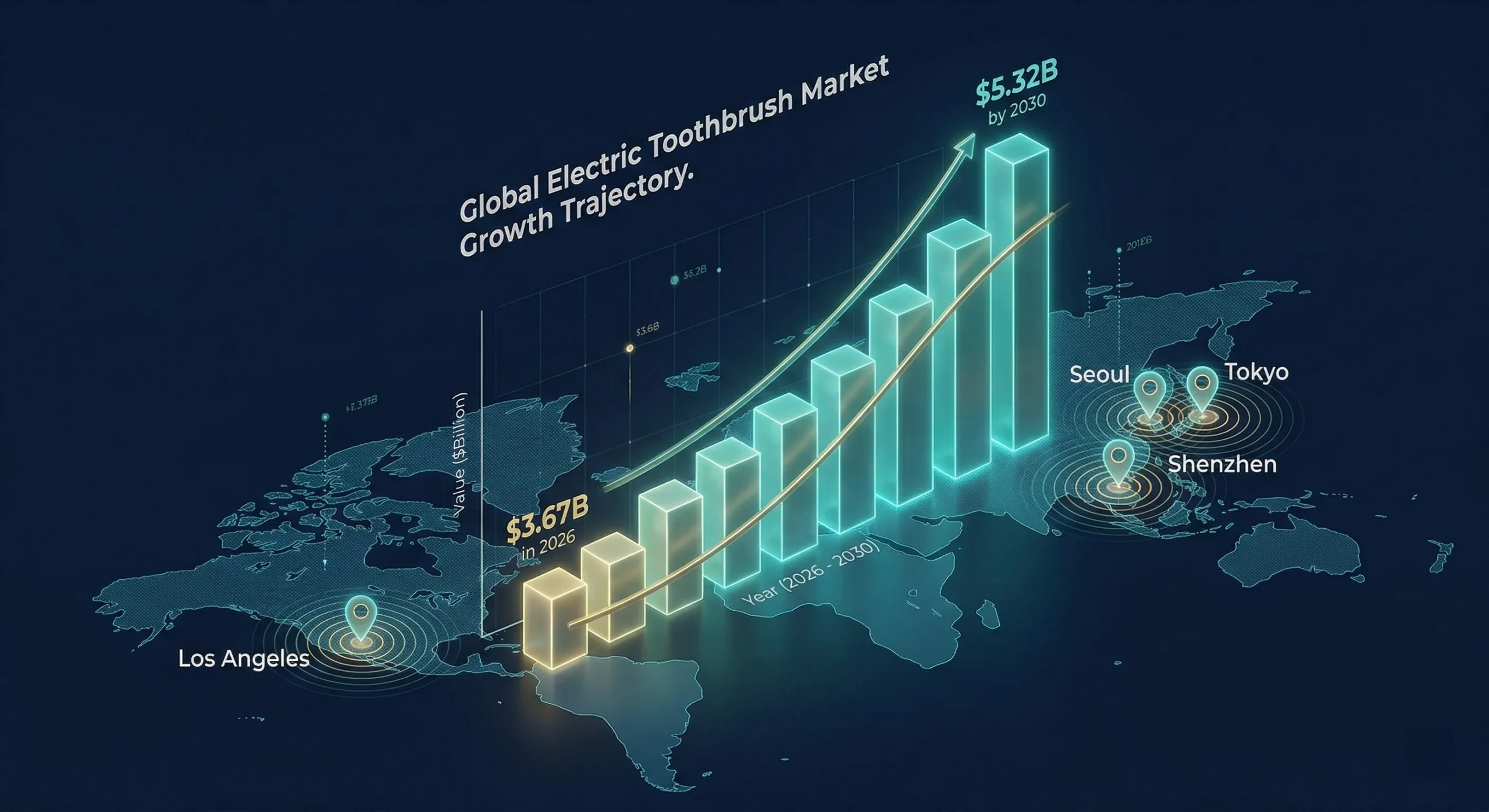
全球电动牙刷市场价值约为 2024 年达到 87.0 亿美元 预计将达到 到 2033 年达到 701.5 亿美元, 预测期间(2025-2033 年)的复合年均增长率为 26.1% [1]. .......。 OEM/ODM 制造部门 由于对自有品牌和高成本效益生产解决方案的需求日益增长,在这一市场中的比重越来越大。.
行业数据显示,大约 全球口腔护理品牌 70% 使用 OEM 或 ODM 制造合作伙伴生产产品 [2]. .这意味着,即使是欧乐-B、飞利浦声波器和高露洁这样的大品牌,也要依靠生产合作伙伴(其中许多位于中国广东省)来大规模生产电动牙刷。.
为什么大多数品牌都使用 OEM/ODM 合作伙伴?
想想看:几乎所有你听说过的中端市场电动牙刷品牌都依赖于生产合作伙伴。原因很简单,就是经济:
- 降低单位成本: 与西方市场相比,在中国生产可将生产成本降低 40-70%
- 上市速度: 经验丰富的工厂可在 60-120 天内完成从概念到成品的整个过程
- 可扩展性: 规模从测试批量的 500 件到全面零售分销的 100,000 多件不等
- 技术专长: 我们的工程团队已经解决了振动、防水和电池寿命等难题,经历了数百次产品迭代。
- 监管支持: 成熟的制造商已获得认证,可指导您符合多个市场的要求
主要观点
大约 全球口腔护理品牌 70% 使用 OEM 或 ODM 制造合作伙伴。自建工厂通常只有在年产量超过 50 万件时才经济实惠--这就是为什么即使是大品牌也要将生产外包给专业工厂的原因。 电动牙刷工厂.
关于制造商Relish Tech
本指南由以下作者编写 深圳市日丽丰科技有限公司., a 专业 OEM/ODM 制造商 在口腔护理行业拥有十多年的经验。我们的生产能力包括
- 工厂占地面积 20,000 m2 无尘车间
- 月生产能力: 120 多万台
- 劳动力: 12 条自动化生产线上有 300 多名熟练工人
- 研发能力: 30 多名专职工程师具备全面的产品开发能力
- 覆盖全球: 产品出口到全球 120 多个国家
- 认证: CE、FCC、FDA、ISO 9001、RoHS、REACH - 可索取完整的测试报告
- 客户群: 受到全球知名口腔护理品牌的信赖,用于 OEM/ODM 合作伙伴关系
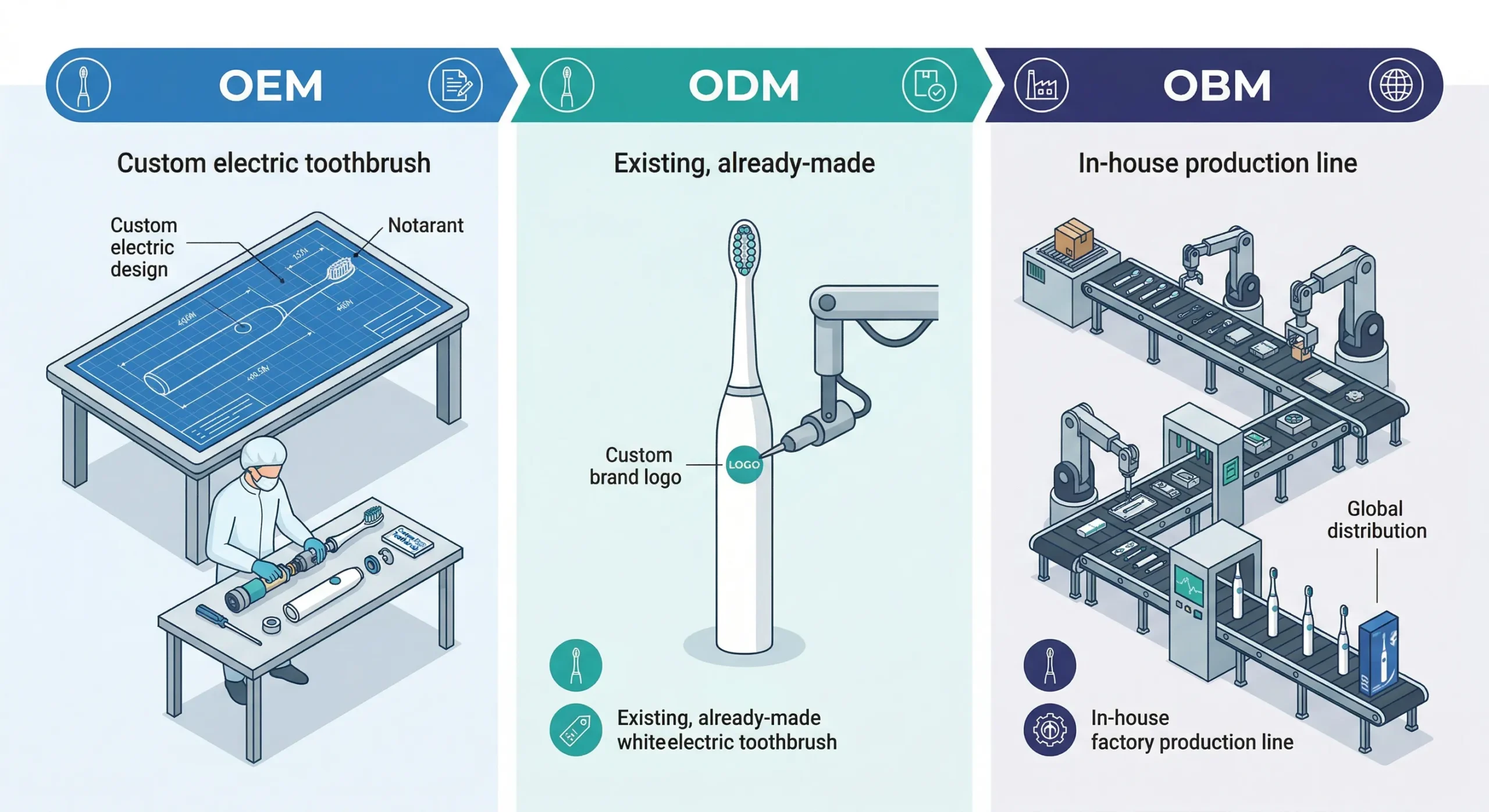
2. OEM vs ODM vs OBM:你应该选择哪种模式?
这是您在开始工作前做出的最重要的决定。 OEM 生产 - 而如果弄错了,可能会让你花费数月的时间和数万美元。下面是每种模式的清晰明了的细目。.
| 系数 | OEM | ODM | OBM |
|---|---|---|---|
| 其含义 | 您设计产品,工厂按照您的规格生产 | 工厂有现有的设计,您可以根据自己的品牌进行定制 | 设计、制造和销售自己的品牌 |
| 设计控制 | 完全--你拥有设计 IP | 有限 - 工厂拥有核心设计 | 全套--内部一切 |
| 上市时间 | 90-150 天(新模具 + 测试) | 30-60 天(仅限定制) | 180-365 天(构建所有内容) |
| 典型订购量 | 1,000-5,000 个单位 | 300-2000 个 | 不适用(自己的工厂) |
| 单位成本 | 较高(摊销的模具投资) | 更低(共享模具成本) | 最高(全开销) |
| 差异化 | 高 - 产品独特 | 中等 - 外观定制 | 最大 |
| 前期投资 | $5,000-$30,000 (模具 + 研发) | $500-$5,000 (品牌 + 包装) | $500,000+ (出厂设置) |
| 最适合 | 品牌希望拥有独一无二、值得信赖的产品 | 品牌快速进入市场,风险低 | 规模庞大的大型企业 |
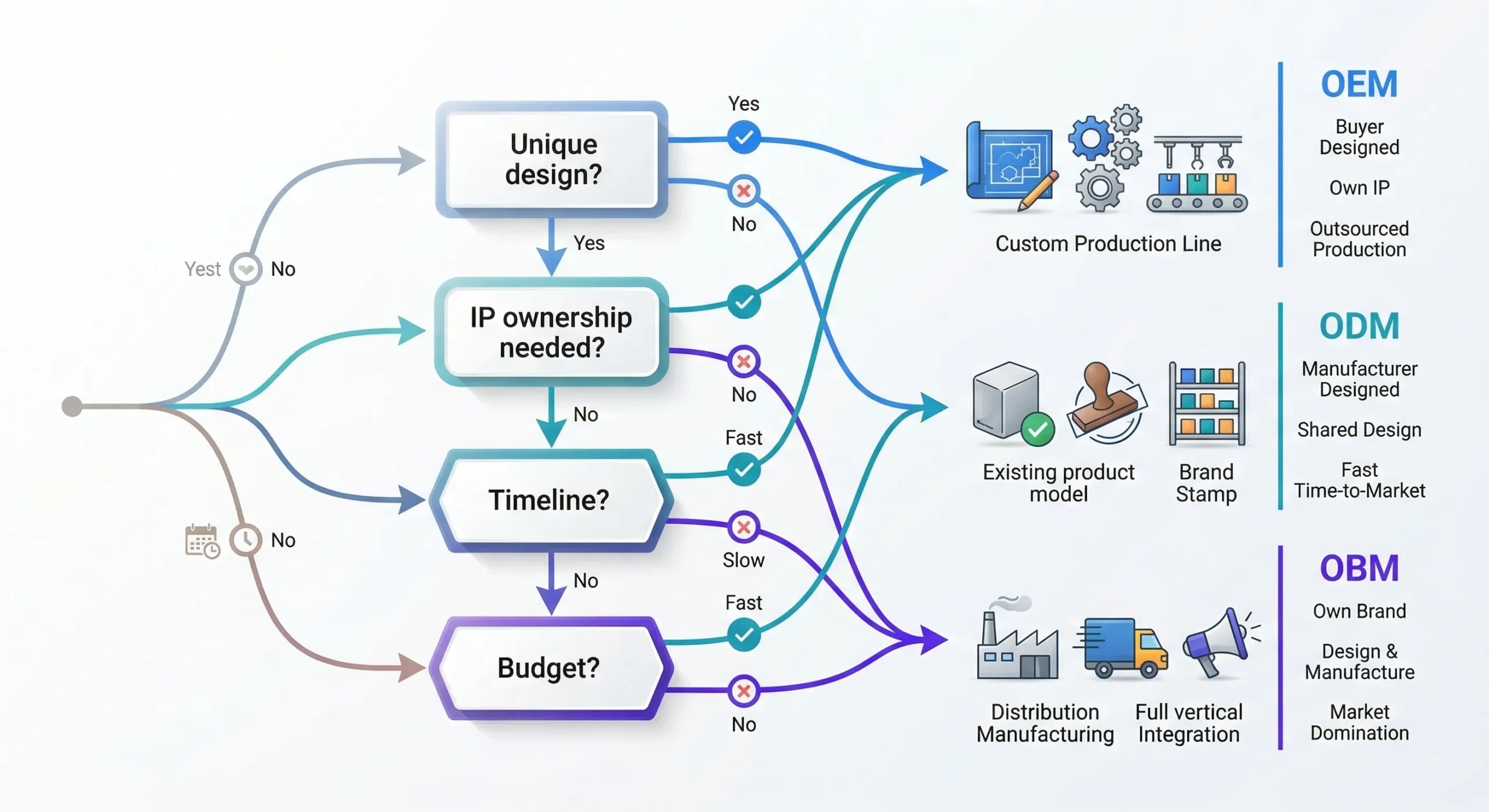
决策树:哪种模式适合您?
专业提示
许多成功的品牌都是从 用于市场测试的 ODM (验证需求、收集客户反馈),然后过渡到 OEM 基于真实的用户数据,为他们的第二代产品提供技术支持。这种混合方法既能最大限度地降低风险,又能打造出独一无二的产品线。.
更多信息 如需深入比较,请参阅我们的详细指南 口腔护理品牌的 OEM vs ODM vs OBM.
3.如何找到可靠的 电动牙刷 OEM 制造商 在中国
有成千上万家工厂声称 生产电动牙刷 仅在中国,就有超过 1,000 家企业在使用这些技术。挑战不在于寻找选择,而在于找到 对 电动牙刷 OEM 制造商. .以下是六种行之有效的渠道和评估框架。.
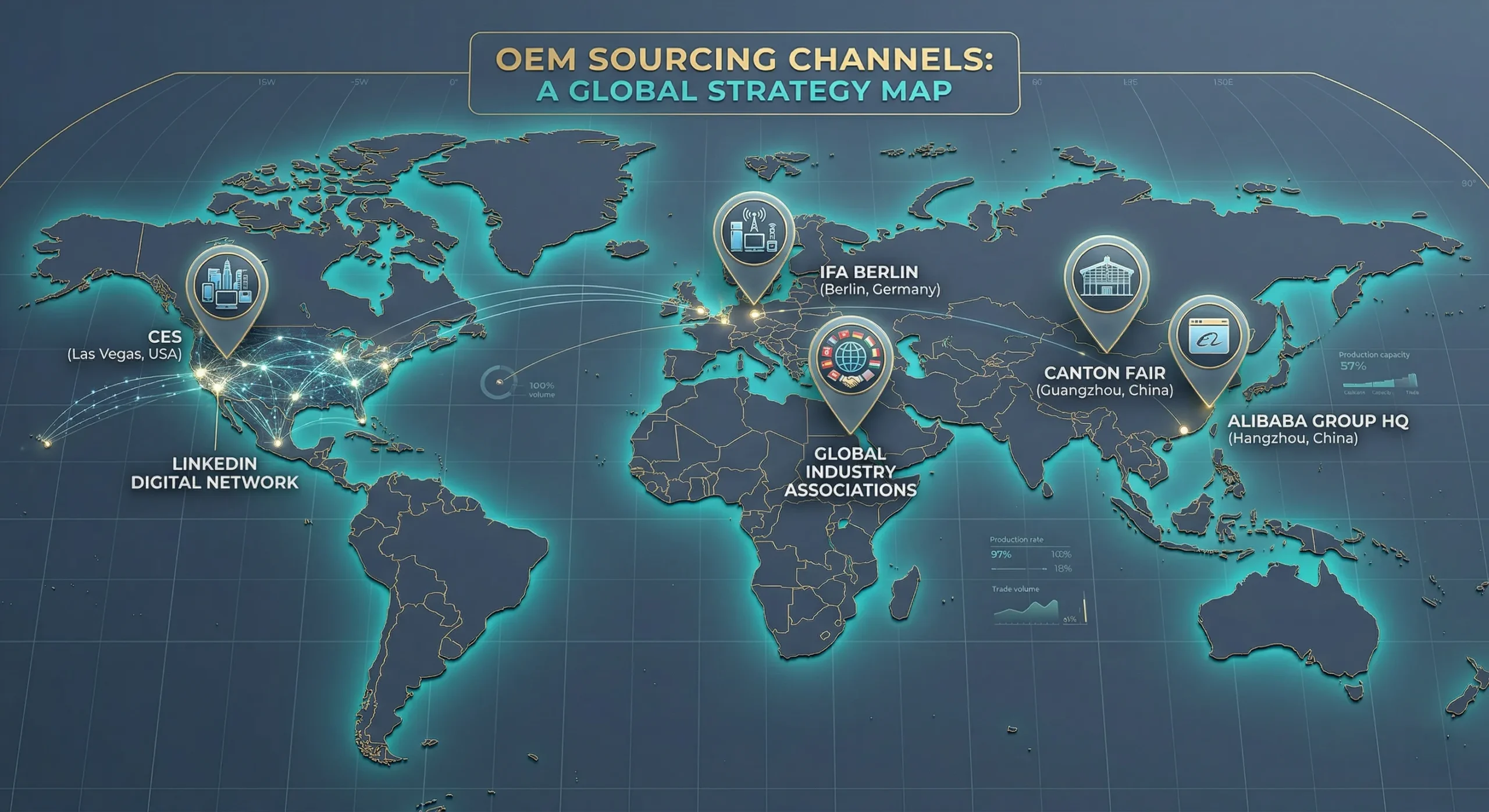
寻找制造商的六个渠道
- 贸易展览: 广交会(广州,4 月和 10 月)、CES(拉斯维加斯)和 IFA(柏林)是原始设备制造商参展的顶级盛会。.
- B2B 平台: 阿里巴巴、中国制造网和环球资源列出了数千家供应商。使用 "验证供应商 "和 "贸易保证 "过滤器。"
- 行业目录: 专门的口腔护理产品采购目录提供经过预先审查的制造商,并附有详细的能力简介。.
- 谷歌搜索: 搜索 "电动牙刷 OEM 制造商(中国)"等关键词,就会出现包含详细规格和认证的工厂网站。.
- 行业协会和推荐: 中国口腔护理用品协会和业界同行可提供经核实的建议。.
- 社交媒体和 LinkedIn: 许多合法的制造商都在 LinkedIn 上建立了活跃的个人档案,展示自己的能力和客户案例研究。.
工厂评估清单
- 营业执照和认证: 核查工厂的中国营业执照、ISO 9001 质量管理认证以及 特定产品认证 (CE、FCC、FDA)
- 制造能力: 确认他们拥有内部注塑、用于 PCB 组装的 SMT、超声波焊接和自动组装线 - 而不仅仅是贸易公司的安排
- 研发团队: A 适当 研发部门 10 多名工程师表明,工厂可以处理定制设计并支持产品迭代
- 生产能力: 询问月产量和当前利用率。产能超过 80% 的工厂可能存在交货期问题;低于 50% 的工厂可能存在质量或财务问题
- 质量控制系统: 验证他们是否已将 IQC(入库质量控制)、IPQC(过程质量控制)和 OQC(出库质量控制)流程记录在案并付诸实施
- 现有客户参考资料: 索取 2-3 份可以直接联系的客户推荐信。正规制造商会毫不犹豫地提供这些证明
- 样品质量: 在投入生产之前,一定要订购样品。测试电刷振动质量、电池寿命、防水完整性和整体制造质量
- 交流质量: 评估他们的英语熟练程度、响应时间和提供详细技术解答的意愿
需要警惕的红旗
- 工厂无法提供可核实的营业执照或认证文件
- 异常低廉的价格(低于市场平均水平 30%+ )--有地方在偷工减料
- 不允许参观工厂或观看工厂录像
- 没有记录在案的质量控制流程或检验报告
- 自称制造商的贸易公司(询问他们是否拥有自己的生产线)
更多信息 请参阅我们的分步指南 How to Evaluate an Electric Toothbrush OEM/ODM Partner in China.
4.电动牙刷 制造成本 细目(2026 年)
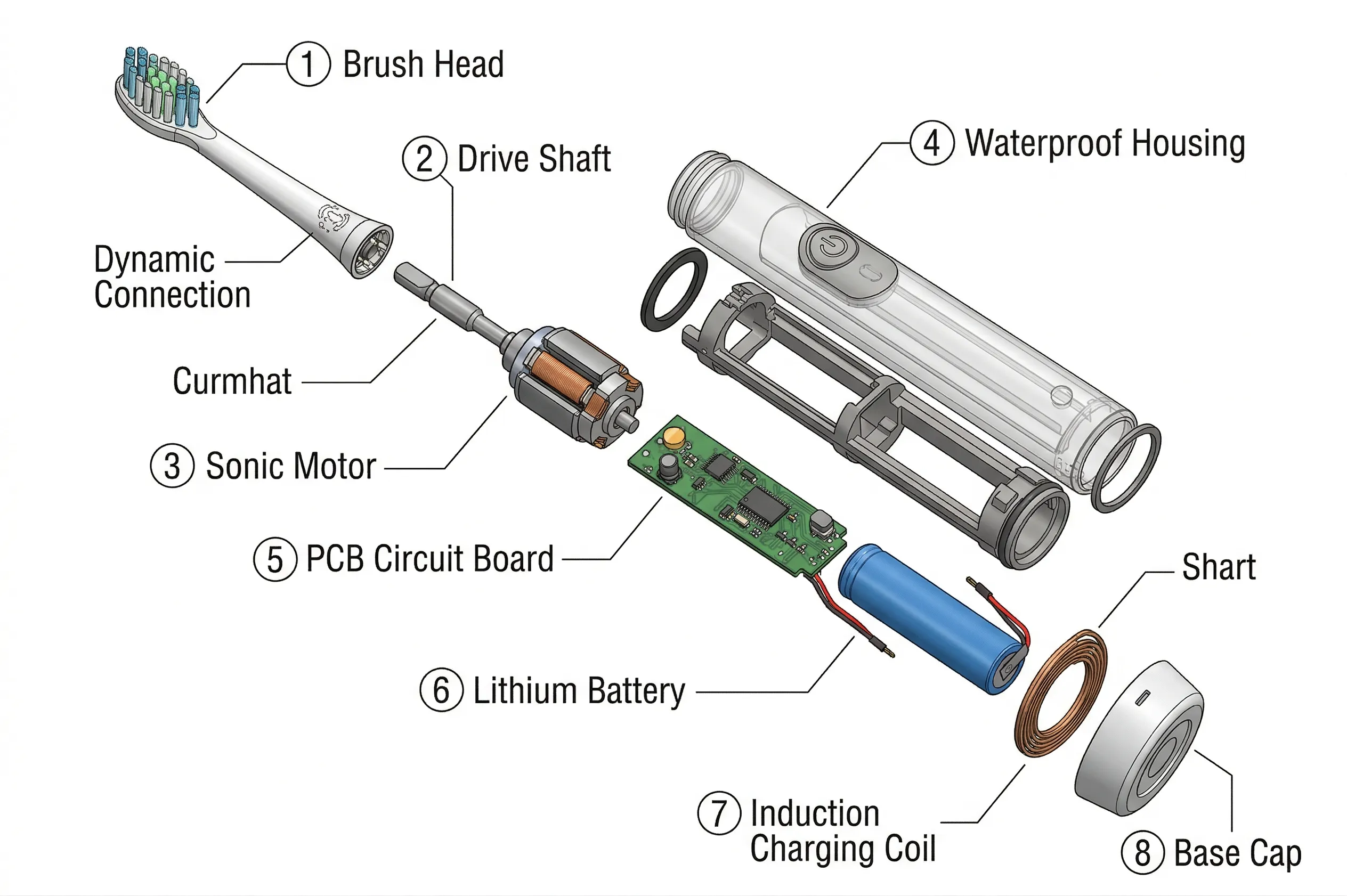
了解成本结构对产品定价盈利至关重要。成本结构 OEM 电动牙刷成本 主要取决于质量等级、定制水平和订单数量。以下是我们的 制造业务.
| 组成部分/费用 | 基本级别 | 中档 | 高级 |
|---|---|---|---|
| 电机 | $0.30-0.50(标准无芯) | $0.60-1.20(超声波,30,000+ RPM) | $1.50-3.00 (磁悬浮) |
| 电池 | $0.20-0.40(镍氢,600mAh) | $0.50-1.00(锂离子,1000mAh) | $1.20-2.50(锂离子电池,2000mAh 以上) |
| PCBA / 控制器 | $0.40-0.80 (基本计时器) | $0.80-1.50(多模式,压力传感器) | $2.00-5.00(智能、蓝牙、支持应用程序) |
| 刷头 | $0.10-0.20(标准尼龙) | $0.25-0.50 (杜邦刷毛) | $0.50-1.50(高级,多种类型) |
| 外壳 | $0.30-0.60(ABS,基本表面处理) | $0.60-1.20(ABS/PP,软触感) | $1.50-3.00(优质材料,金属装饰) |
| 充电系统 | $0.20-0.40(USB-C 电缆) | $0.50-1.00(无线感应式) | $1.50-3.00 (快速无线 + 盒子) |
| 组装和测试 | $0.30-0.50 | $0.50-0.80 | $1.00-2.00 |
| 包装 | $0.20-0.40 (基本箱) | $0.50-1.00(可零售) | $1.50-3.50 (高级开箱) |
| 单位总计 | $2.00-3.90 | $4.25-7.20 | $10.20-23.50 |
| 典型零售价 | $9.99-19.99 | $29.99-59.99 | $79.99-199.99 |
| 毛利率 | 60-80% | 70-85% | 75-88% |
关于费用的重要说明
- 以上价格为估算价格 1,000 件起订量. .扩展到 5,000 个以上单位时,单位成本通常会降低 15-30%.
- 模具费用 (每套模具 $3,000-$15,000 美元)是 OEM 项目的一次性投资,在整个生产过程中摊销。.
- 认证费用 (根据目标市场的不同,$2,000-$8,000)通常由各产品系列共享。.
- 运费 (海运为 $0.50-2.00/单位,空运为 $3-8/单位),数额巨大,在初步预算中往往被忽视。.
降低成本战略
- 使用标准组件: 定制电机、电池或芯片会增加成本和交付周期。标准组件能以 50% 的成本实现 80% 的性能。.
- 尽量减少 SKU 的复杂性: 每种颜色、材料或功能的变体都需要单独的库存管理,并可能增加最小订货量。.
- 利用规模经济: 订购 5,000 件以上,而不是 1,000 件,以大幅降低每件工具的摊销和材料成本。.
- 捆绑认证: 提前规划所有目标市场,以便同时而不是按顺序进行认证。.
更多信息 有关完整的成本分析和利润率计算,请参阅我们的 电动牙刷的制造成本和利润率(2026 年).
5.基本 认证 & 合规要求
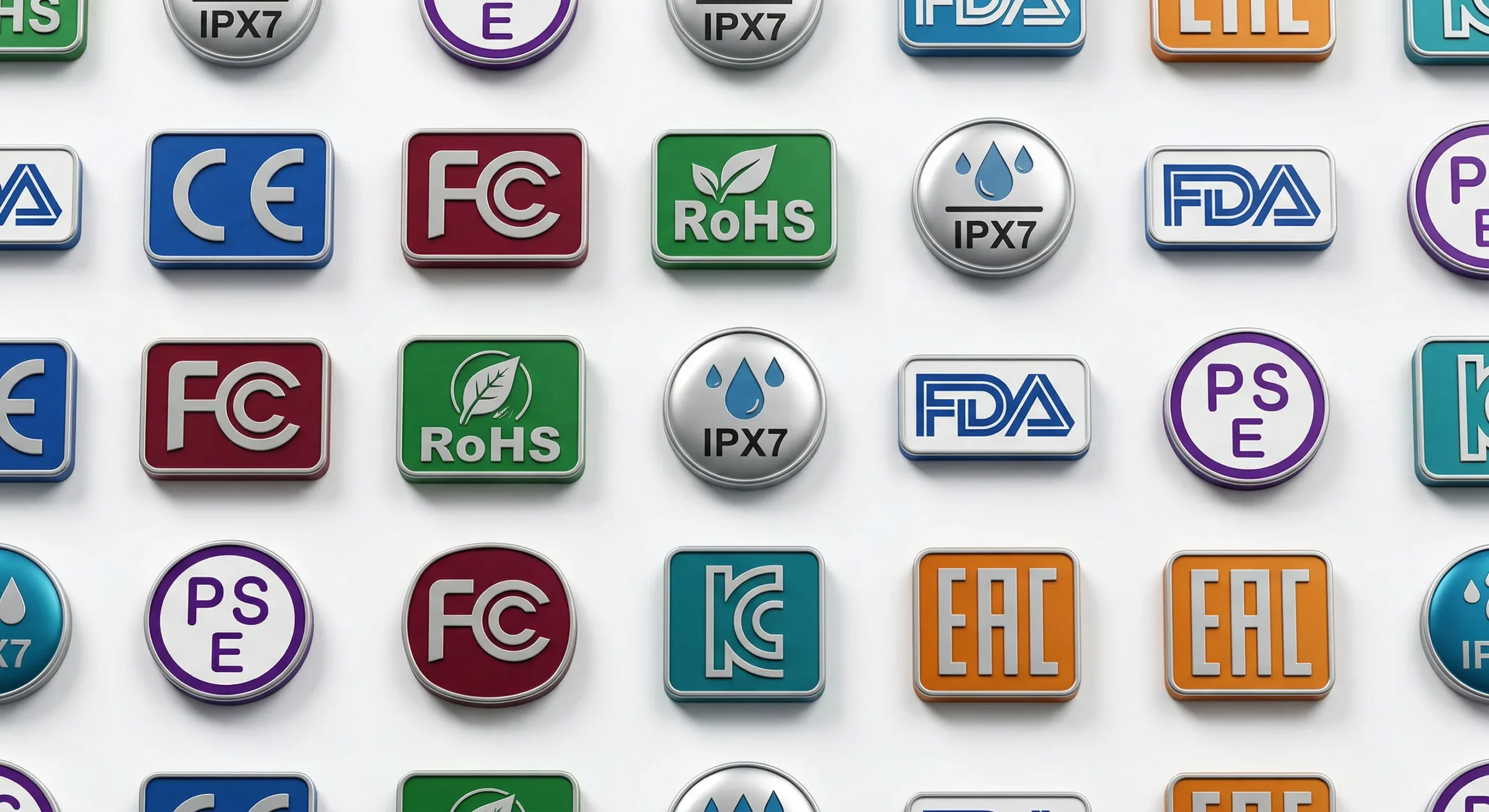
在国际市场上销售电动牙刷需要特定的条件 认证. .不合规可能导致海关扣押、产品召回、亚马逊列表删除以及法律责任。以下是每个主要市场所需的信息。.
| 市场 | 认证 | 范围 | 典型成本 | 时间表 |
|---|---|---|---|---|
| 欧洲联盟 | CE 标识 | 电气安全(LVD)、电磁兼容性(EMC)、RoHS 材料限制 | $2,000-5,000 | 3-6 周 |
| 欧洲联盟 | RoHS 指令 | 限制有害物质(铅、汞、镉等) | 包括在 CE | 包括在 CE |
| 欧洲联盟 | REACH | 化学物质注册和限制 | $500-1,500 | 2-4 周 |
| 美国 | 联邦电信交通委员会 | 电磁干扰和射频辐射 | $1,500-3,000 | 2-4 周 |
| 美国 | FDA 注册 | 如果在市场上声称具有治疗作用,则必须使用;第二类医疗器械 | $1,000-3,000 | 4-8 周 |
| 日本 | PSE 标识 | 电器安全(电池供电设备的强制性要求) | $2,000-4,000 | 4-6 周 |
| 韩国 | KC Mark | 电气安全和电磁兼容性 | $1,500-3,000 | 3-5 周 |
| 俄罗斯/独联体 | 选援会 | 遵守关税同盟技术条例 | $2,000-4,000 | 4-8 周 |
| 所有市场 | IPX7 级防水 | 防水等级(可浸入 1 米深的水中 30 分钟) | $300-800 | 1-2 周 |
制造商优势
与已获得这些认证的成熟制造商合作,可以大大缩短合规时间,降低合规成本。许多认证涵盖产品 家庭, 这意味着在现有认证下添加新的 SKU 可能只需要稍作更新,而不需要全面测试。.
防水等级:IPX7 为何重要
电动牙刷用于潮湿的浴室环境。. IPX7 是行业标准的防水等级,这意味着设备可在 1 米深的水中浸泡 30 分钟。这对于
- 客户安全(防止电气危险)
- 产品耐用性和减少保修索赔
- 零售配送要求(亚马逊、药店、超市)
- 符合认证要求(IPX7 是大多数国际市场产品安全测试标准的参考标准)
- 浴室环境中的消费者信心和品牌信任度
- 在潮湿、高温条件下的长期耐用性
IPX7 测试由经认可的第三方实验室进行,如 SGS、TUV Rheinland 或 Intertek。一定要索取测试报告副本,而不仅仅是证书--报告显示的实际测试数据对零售商的合规性非常有价值。.
更多信息 有关完整的认证清单,请参阅我们的 电动牙刷出口认证指南 (2026).
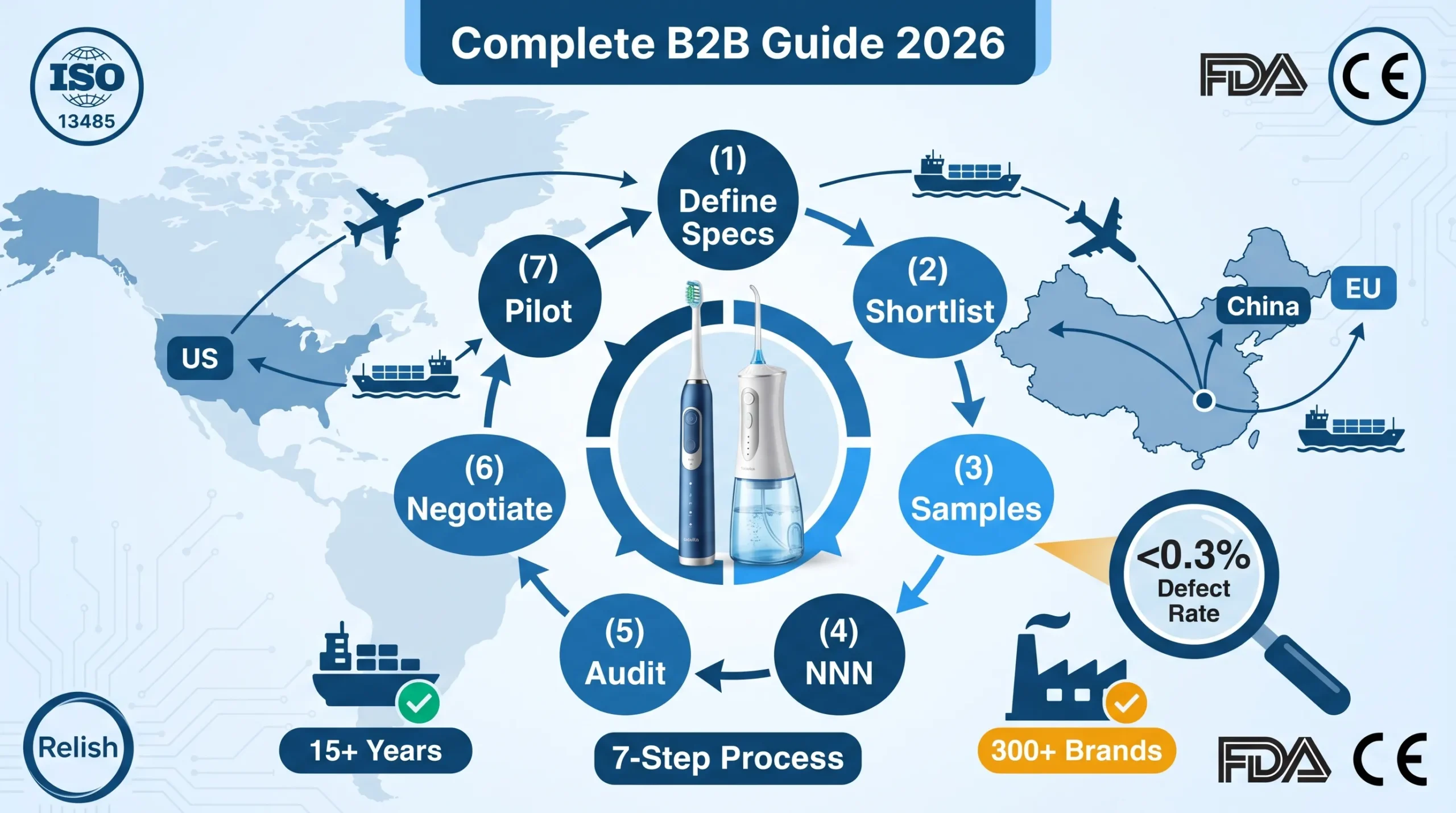
6.完整的 OEM 工艺:从咨询到交付
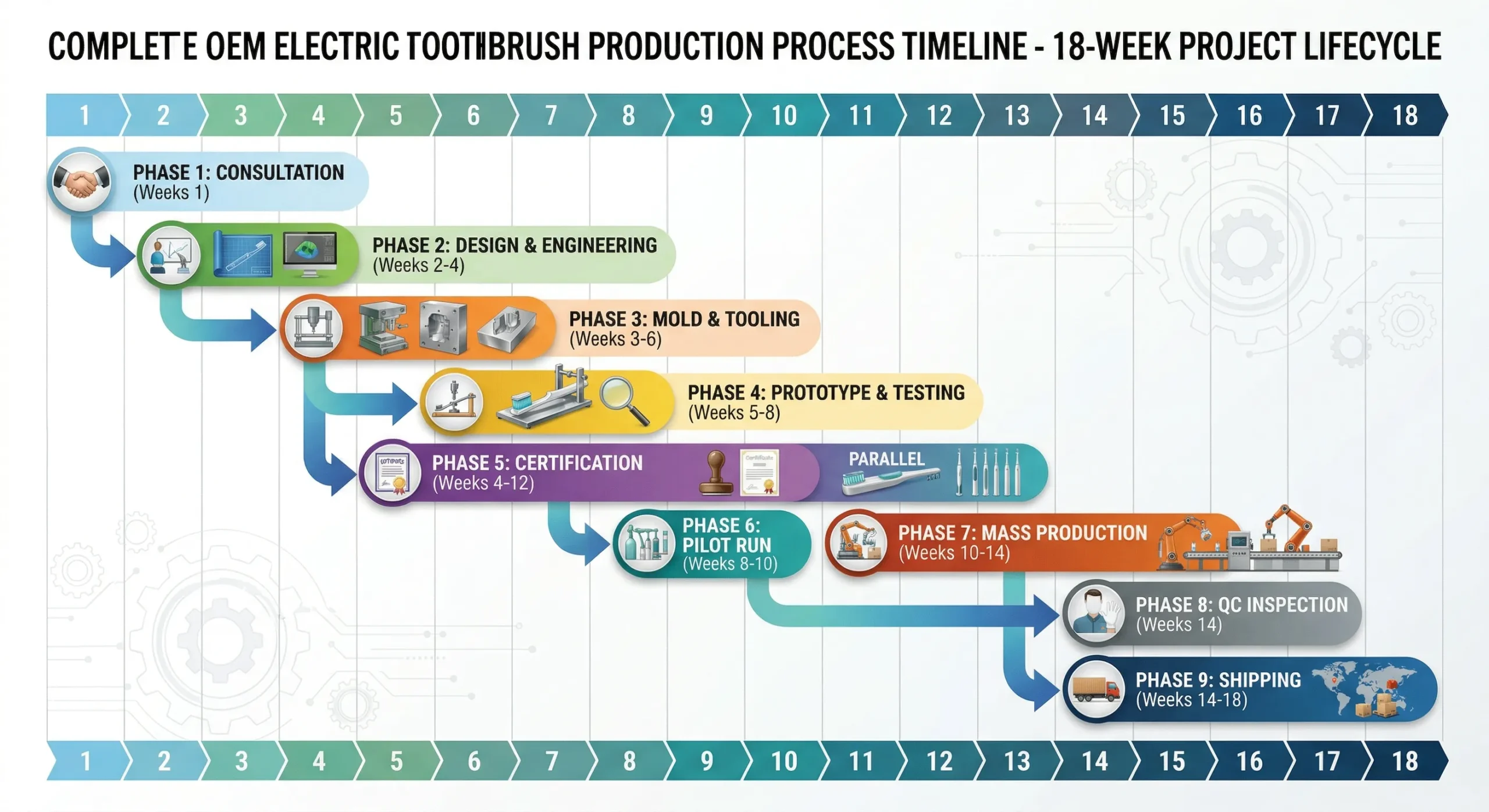
结构化 OEM 电动牙刷制造工艺 从最初询价到成品交付,一般需要 60-120 天。以下是详细的阶段划分。.
第 1 阶段:初步调查和工厂选择(第 1-2 周)
- 确定产品要求: 编制详细规格,包括产品尺寸、电机类型、电池容量、防水等级、颜色/材料偏好、目标零售价和数量要求
- 向 3-5 家工厂询价: 向每家工厂提供相同的规格,以确保报价具有可比性。要求提供逐项明细:模具成本、不同产量下的单价、认证成本和运输估价
- 批判性地评估引文: 报价最低的不一定是最好的。比较样品质量、沟通响应速度、工厂资质和灵活性
- 签署保密协议(NDA): 在共享详细设计之前,让工厂签署一份相互保密协议,以保护您的知识产权
询价单(RFQ)中应包括哪些内容
- 产品规格:尺寸、材料、电机规格、电池类型
- 订单数量和交货时限要求
- 目标市场和所需认证
- 包装要求(零售盒、主纸箱)
- 样本数量和样本时限
- 预期付款条件(通常为 30% 定金,发货前 70% 余额)
第 2 阶段:样品和原型开发(第 3-6 周)
- 技术审查: 工厂的工程团队审查您的技术规格,并提出任何技术难题、材料替代方案或成本优化建议
- 模具/工具制作: 对于定制外壳,工厂会制作注塑模具。这个过程需要 3-4 周,成本从 $3,000 到 $15,000 不等,视复杂程度而定。对于 ODM 产品,可省略这一步骤
- 原型样品: 已生产出首批样品,供您审查。对于电动牙刷,要特别注意电机振动质量、实际测试中的电池寿命、防水完整性和充电系统可靠性。
- 修订样本: 工厂会根据您的反馈意见进行调整。通常需要 1-3 轮修改。至少需要 2 周的修改时间
- 生产前样品审批: 代表批量生产质量的最终样品。这将成为您的参考标准
样品测试清单
在批准试生产样品之前,要进行这些测试:
- 72 小时电池耗尽测试: 连续运行牙刷,验证电池寿命是否符合规格要求
- 防水压力测试 在 1 米深的水中浸泡 30 分钟以上(超出 IPX7 要求)
- 跌落测试: 从 1 米高处跌落到坚硬表面 5 次,检查外壳是否有裂缝
- 刷头连接测试: 50 次以上确认刷头的安装/拆卸是否牢固
- 充电兼容性 使用来自不同市场的多种充电线缆和适配器进行测试
- 温度循环: 在 0C 和 40C 温度下进行测试,以模拟储存和运输条件
第 3 阶段:批量生产(第 7-10 周)
- 支付定金: 通常情况下,支付订单总价值的 30% 后即可开始批量生产
- 生产调度: 工厂安排您的订单并提供预计完工日期
- 过程质量检查: 在生产过程中,质量团队在关键检查点进行在线检查
- 随机检查(可选): 您或第三方检验公司(QIMA、Asia Inspection、必维国际检验集团)可以进行随机检验
- 装运前检验: 最终检验核实数量、包装、标签和随机抽样检验
第 4 阶段:航运与海关(第 11-12 周)
- 余额支付: 剩余的 70% 在发货前支付
- 准备文件: 商业发票、装箱单、原产地证书和提单
- 海运与空运: 海运(3-5 周运往美国/欧洲)对于 1,000 件以上的货物而言最具成本效益。空运(3-7 天)适用于紧急或小批量货物。
- 海关清关: 与报关代理合作,在目的港办理货物清关手续
- 最后一英里配送: 从港口到您的仓库或履行中心
可能延误项目的时间因素
- 模具修订: 每次修改都会增加 1-2 周的时间。尽量减少原型阶段的修改
- 认证延误: 第三方测试实验室在旺季(春节前的第四季度)可能需要更长的时间
- 组件短缺: 全球半导体短缺会影响 PCB 的供应。预先讨论供应链应急措施
- 节假日 春节(1 月/2 月),大多数工厂停工 2-4 周
- 定制包装: 如果您的包装需要单独的生产线,则需要增加 1-2 周的时间
更多信息 查看我们完整的 OEM 电动牙刷时间表:逐周流程指南.
7.质量控制和 工厂审核 指南
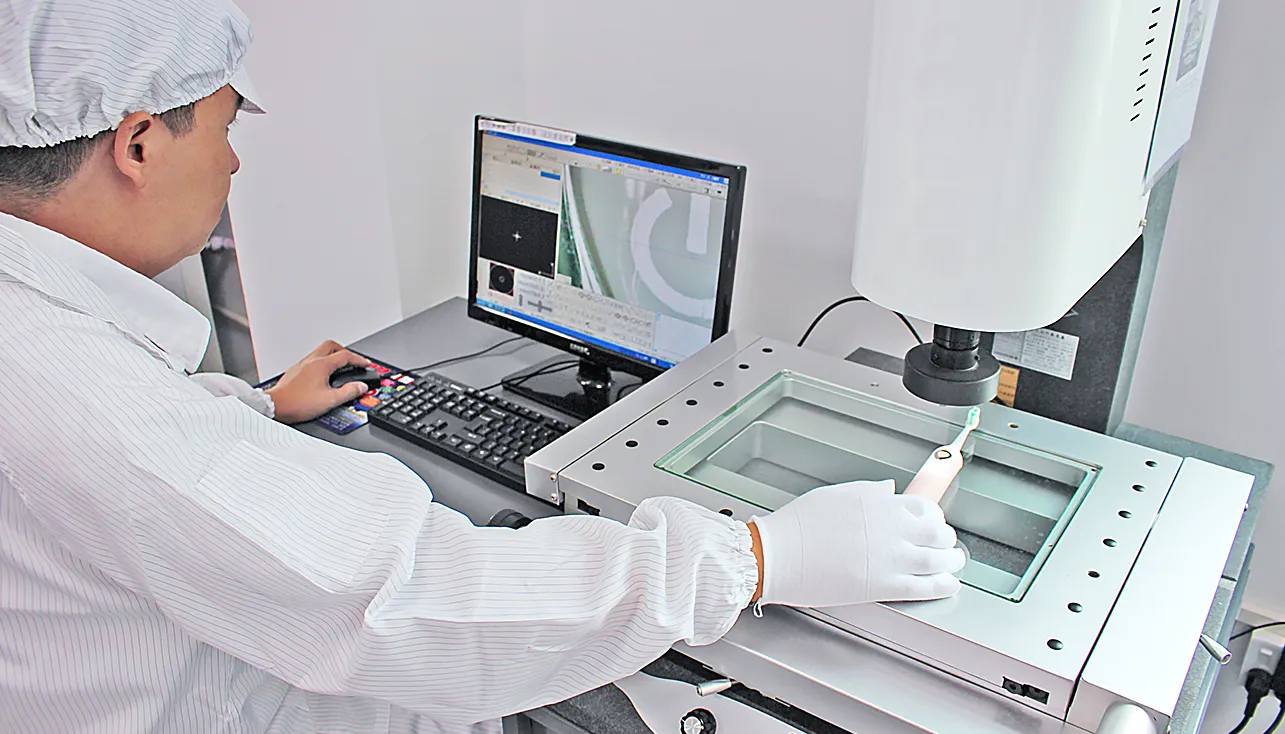
质量控制不是一个单一的步骤,而是一个贯穿整个生产过程的连续过程。 OEM 电动牙刷制造 旅程。如果没有它,您就有可能收到有缺陷的产品、代价高昂的召回和品牌受损的货物。.
工厂审核框架
| 审计类别 | 关键问题 | 通过标准 |
|---|---|---|
| 商业合法性 | 营业执照是否有效并可验证?他们的注册资本是多少? | 通过天岩查或齐查查商业数据库验证 |
| 生产能力 | 他们的月产量是多少?有多少条生产线? | 产能 >= 每月订单量的 1.5 倍 |
| 质量认证 | 是否获得 ISO 9001 认证?是否有特定产品认证? | ISO 9001:2015 或更高版本,当前有效 |
| 工程能力 | 他们有多少研发工程师?他们能创造出新的模具吗? | >= 5 名工程师,为具备 OEM 能力的工厂服务 |
| 测试设备 | 他们有防水测试槽、电池循环机和振动测试仪吗? | 对所有关键参数进行内部测试 |
| 工人条件 | 是否签订了劳动合同?工人流动率如何? | 遵守当地劳动法,保持合理的员工流动率 |
| 环境合规 | 他们有废水处理设施吗?有RoHS材料管控措施吗? | 环境许可有效且可核实 |
每个生产阶段的质量控制
入境质量控制(IQC)
在将元器件用于生产之前,必须对其进行验证:
- 电机检查: 对照规格检查转速、噪音水平和振动模式
- PCB检测: 在放大镜下进行目视检查,基本功能测试
- 电池测试: 容量验证、充放电循环测试
- 材料检验: ABS外壳密度、刷毛硬度、充电底座质量
序中质量控制(IPQC)
- 防水密封: 对每件产品进行超声波焊接质量检查
- 电机安装: 检查电机是否安装到位、对齐且固定牢固
- PCBA连接: 检查所有焊点和导线连接
- 功能测试: 每台设备在最终组装前都会通电并进行测试
最终质量控制 / 出厂质量控制(OQC)
- 目视检查: 表面处理、颜色一致性、徽标准确性、包装状况
- 功能测试: 已通电并测试了 100% 台设备(并非仅基于抽样)
- 防水性复测: 对最终产品进行随机抽样,以验证其是否符合IPX7标准
- 包装检查: 检查零售包装盒的标签、条形码、用户手册以及主纸箱的完好性
- 数量核对: 确认每个主纸箱中各SKU的数量是否正确
第三方检验与内部检验
第三方检验公司(QIMA、Asia Inspection、Bureau Veritas、SGS)虽能提供公正的质量评估,但会增加成本(每检验日$200–$500)。对于大多数初创品牌而言,, 由工厂进行的内部装船前检验 结合 随机第三方抽样 是最具成本效益的方法。.
随着您的订单量增长,转为采用2.5级或4.0级的AQL(可接受质量限)抽样已成为行业标准做法。.
更多信息 下载我们免费的 OEM制造商工厂审核检查表模板.
8. 自有品牌建设: 从包装到上市
自有品牌电动牙刷 制造是口腔护理领域中增长最快的细分市场之一。只要采取正确的 定制包装 采用这种策略,你只需花费一小部分成本,就能与成熟品牌一较高下。.
自有品牌电动牙刷有哪些可以定制的选项?
| 定制级别 | 包含内容 | 最低订购量(MOQ)的影响 | 成本影响 |
|---|---|---|---|
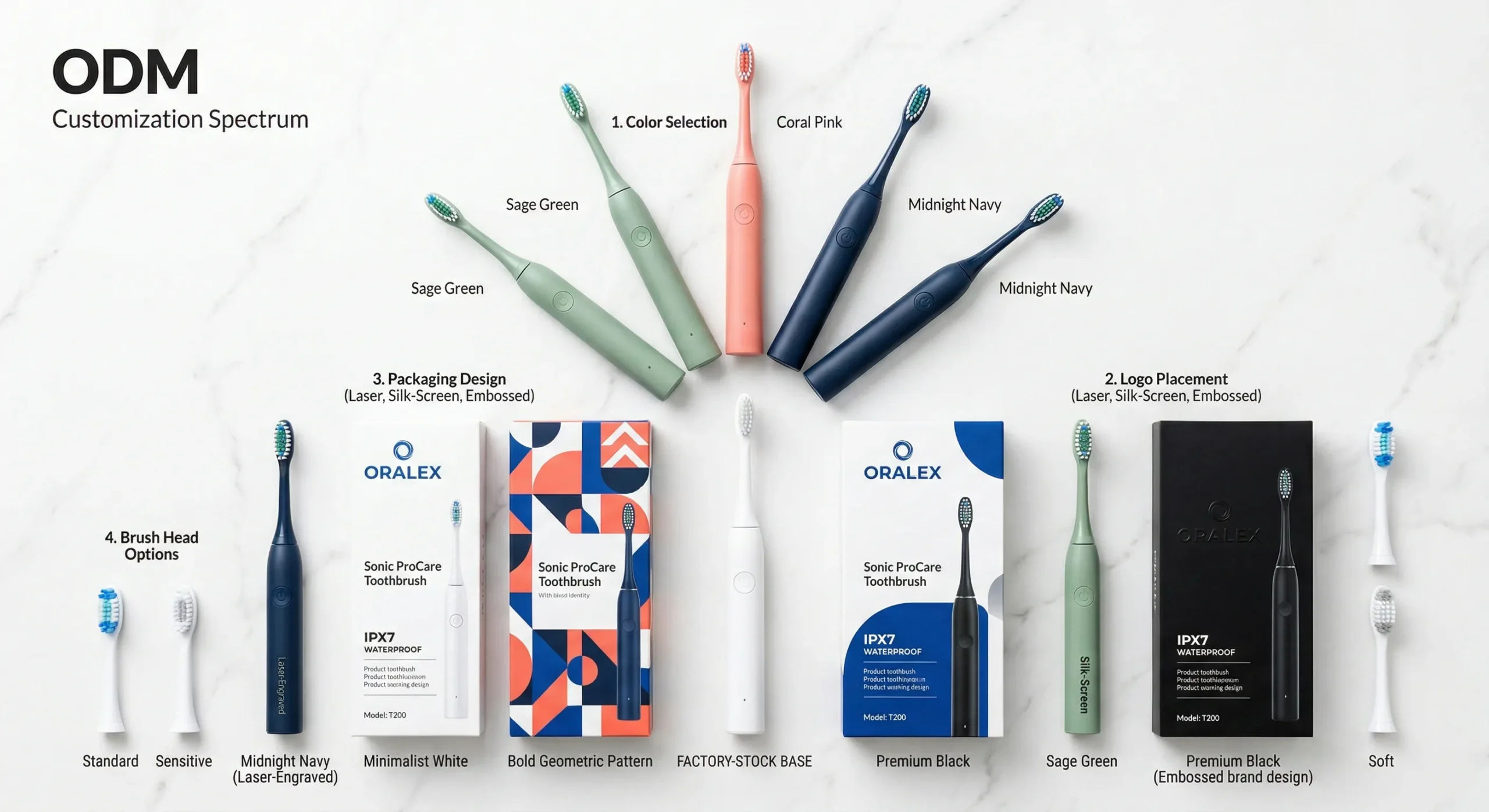
| 第1级:仅显示徽标 | 手柄上带有激光雕刻的标志,配有印有您品牌标识的定制零售包装盒Simplified Chinese (Mainland) | 最低(300–500单位) | 最简附加组件 |
| 第2级:颜色 + 徽标 | 定制外壳颜色(潘通色号匹配),定制包装盒简体中文(大陆) | 中等(500–1,500单位) | 中度 |
| 第3级:化妆品设计 | 定制外壳造型、专属配色、全套包装方案 | 高(1,000–3,000单位) | 中至高 |
| 第4级:功能修改 | 调整电机参数、添加/删除模式、修改电池容量 | 极高(2,000–5,000 单位) | 高 |
| 第5级:完全OEM | 完全定制的产品,自有模具,自有知识产权 | 最高(3,000–10,000+ 单位) | 极高 |
国际市场的包装要求
- 语言要求: 使用说明书和包装盒均采用各目标市场的官方语言——我们的 定制包装团队 可协助进行本地化工作
- CE / FCC / 法规标志: 在产品和包装上醒目地展示
- 条形码(EAN/UPC): 在投产前获取 GS1 公司前缀,并为每个 SKU 生成唯一的条形码
- 记录在案的进口商: 为符合欧盟GPSR要求,包装上须标注(自2024年起)
- WEEE标志: 在欧盟销售的电气产品必须具备此项要求
- 电池处置标志: 欧盟境内含内置电池的产品须符合此要求
- 原产国: "中国产商品必须标注"中国制造”
自有品牌的市场定位
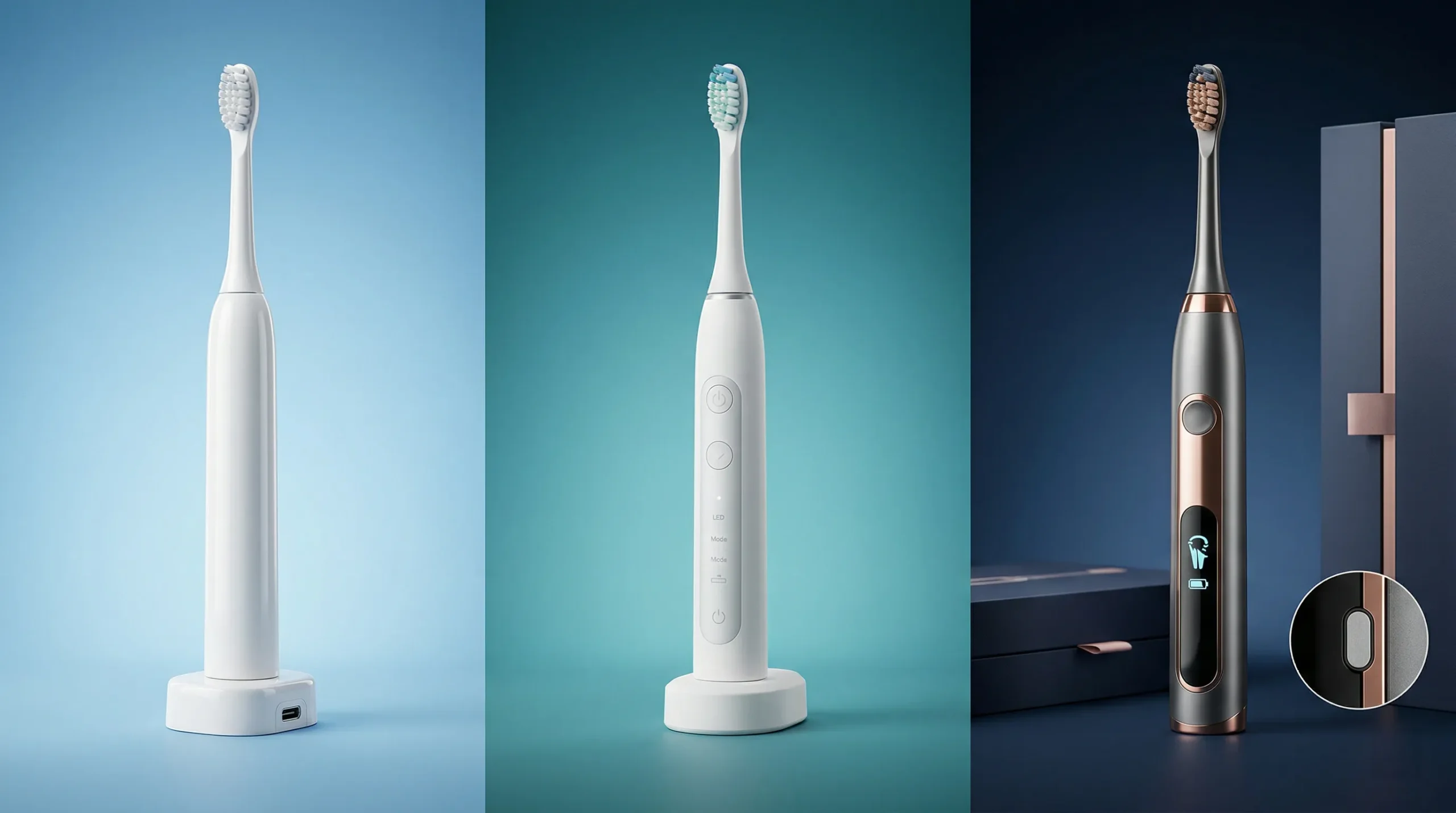
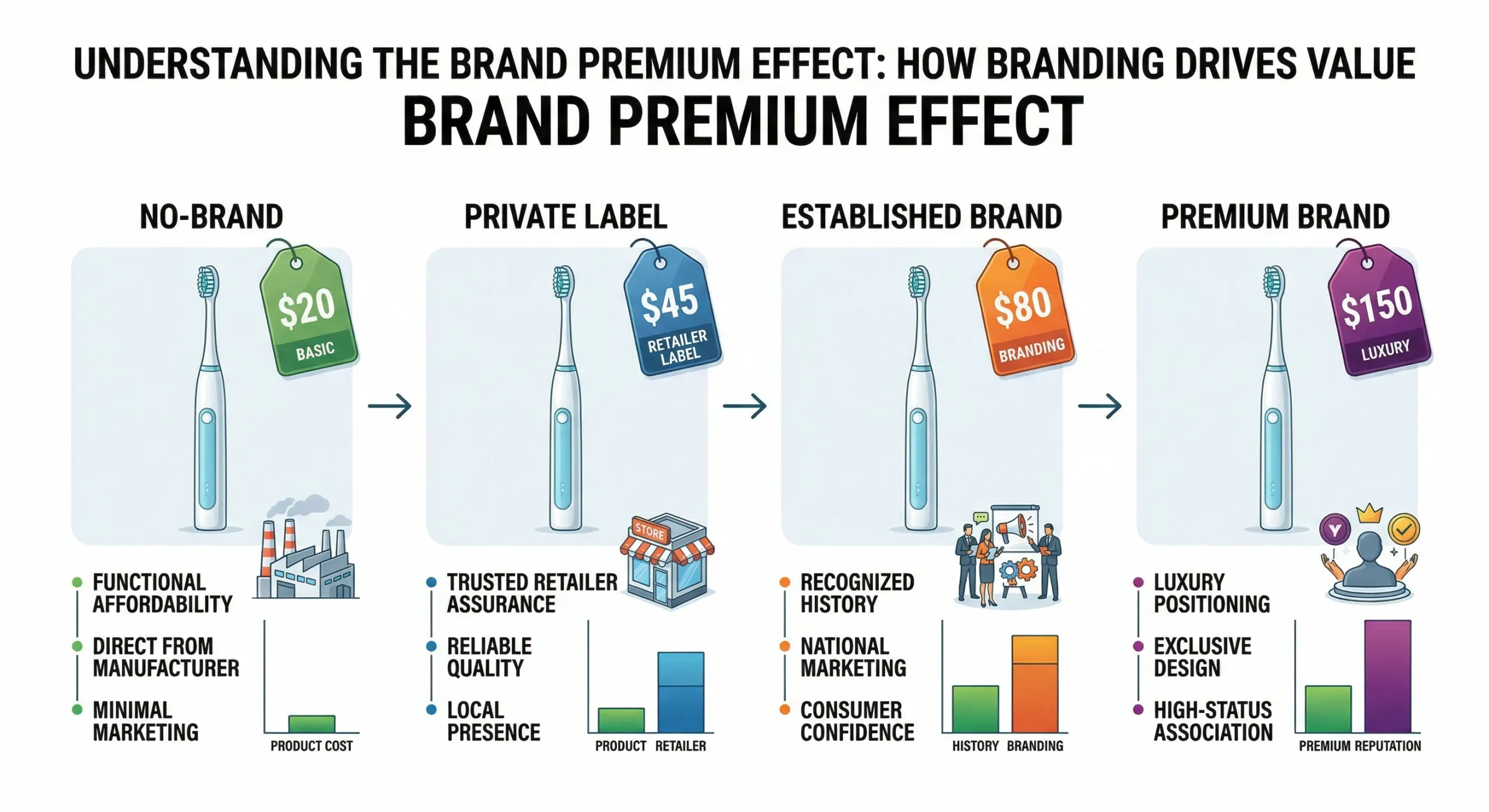
最成功的自有品牌 电动牙刷品牌 找出一个具体的定位空白:
- 经济型细分市场: 以比主要品牌低30–50%的价格,提供与之相当的品质
- 专业领域: 针对特定受众:注重环保的消费者、牙龈敏感者、正畸患者或儿童牙刷
- 高端细分市场: 在设计美学和智能功能方面展开竞争,目标客户为富裕的城市消费者
更多信息 我们关于……的完整指南 口腔护理品牌的自有品牌战略:从概念到零售货架.
9. 常见 OEM/ODM 常见陷阱及应对方法
在与数百个品牌合作之后, OEM 电动牙刷制造 在各项项目中,我们看到同样的错误一再重演。以下是一份指南,介绍了代价最昂贵的陷阱以及如何避免它们。.
1. 不切实际的成本预期
许多初次采购的企业预计,成本将比西方国家的制造成本低80–90%。虽然中国确实具有显著的成本优势,但以每支$1.50的价格生产一款优质电动牙刷,根本不切实际——除非在质量上偷工减料。.
解决方案: 谈判前请先调研市场价格。1,000支基础款声波电动牙刷的单价至少应在$3–5之间。如果报价远低于此范围,则应引起警惕。应关注全生命周期成本,而非仅关注单价。.
2. 样本检测不足
我们曾看到一些品牌在经过5分钟的目视检查后就批准了样品,但随后收到的量产产品在质量上却明显不同。常见问题包括:电机振动强度不同、电池质量较差、防水密封性不佳。.
解决方案: 在至少1至2周的时间内对样品进行全面测试。测试内容包括电池续航能力、防水性能、充电可靠性以及抗跌落性能。通过照片和测量数据记录经批准的样品,作为生产参考标准。.
3. 知识产权和设计盗用
这种担忧确实存在——将详细的设计方案提供给中国工厂确实存在风险。我们曾遇到过这样的案例:工厂的设计与客户的专有产品惊人地相似。.
解决方案: 与已制定知识产权保护政策的工厂合作。在分享详细规格之前,先在中国(CNIPA)注册您的外观设计专利。采取分阶段策略:初期仅分享一般规格,详细工程图纸则在合同签订后再提供。.
对于从零开始打造产品的品牌方,请阅读我们的 电动牙刷设计完整指南 ——涵盖从电机选型到量产的每个阶段。.4. 沟通中断
时区差异、语言障碍以及模糊的规格要求,往往导致最终产品与您的设想不符。"工厂方面表示他们已经理解了"这句话,是OEM制造领域中最“昂贵”的说法之一。.
解决方案: 在书面规格说明之外,还应辅以视觉参考资料(CAD图纸、3D渲染图、参考产品)。对每一项关键决策均应要求提供书面确认。针对复杂的技术讨论,应采用视频通话方式。双方应各指定一名联络人,以避免出现相互矛盾的指示。.
5. 忽视认证的实际情况
许多品牌低估了认证要求和时间安排。如果在项目进行到一半时才发现需要进行美国市场FDA注册,可能会使项目周期延长数月。.
解决方案: 在签署任何合同之前,请明确所有目标市场及所需认证。将认证时间表纳入项目进度计划中。尽量与已获得相关认证的工厂合作——这样可以节省4至8周的时间。.
6. 忽视质量控制
为了节省时间或金钱而省略质量控制,几乎总是得不偿失。产品召回、亚马逊账户被暂停或负面评论所带来的损失,远高于检验费用。.
解决方案: 无论是否采用降低AQL值的抽样方式,都应始终进行装船前检验。将检验中发现的每个质量问题记录在案,并要求工厂在下次发货前采取纠正措施。.
7. 低估运输的复杂性
海运延误、港口拥堵、清关问题以及仓库收货问题都可能打乱产品上市时间表。我们曾见过因文件处理失误,制造完美的产品在港口滞留长达3周的情况。.
解决方案: 请选择一家经验丰富且了解您产品类别的货运代理。为运输和清关预留2至4周的缓冲时间。在所有文件经核实之前,切勿发货。.
10. 常见问题解答(FAQ)
准备好启动您的电动牙刷OEM项目了吗?
无论您是首次推出自有品牌,还是正在扩展现有产品线,, Relish Tech 拥有专业的制造技术和完善的质量控制体系,能够将您的构想变为现实。. 看看我们的客户怎么说 →
立即获取您的免费OEM报价参考资料
- 海峡研究(2026)。. 《2033年电动牙刷市场规模、份额及趋势行业报告》。. 摘自 https://straitsresearch.com/report/electric-toothbrush-market. 市场估值:87亿美元(2024年);预测值:701.5亿美元(2033年);复合年增长率(CAGR):26.1%(2025–2033年)。.
- IndustryARC(2026年)。. 电动牙刷市场研究报告:市场规模、行业展望、市场预测、需求分析、市场份额(2024–2030年)。. 摘自 https://www.industryarc.com/Report/17992/electric-toothbrush-market.html. 预计到2030年,市场规模将达到69.2亿美元;复合年增长率(CAGR):7.76%。.
- Made-in-China.com(2026年)。. 电动牙刷OEM工厂名录。来源: https://www.made-in-china.com/factory/electric-toothbrushes.html.
- Aiwejay 电动牙刷制造商(2026)。. 面向电动牙刷品牌的OEM与ODM解决方案。来源: https://www.aiwejay.com/en/h-nd-122.html.
- 欧盟委员会(2024年)。. 《无线电设备指令》(RED)2014/53/EU——针对包括具备蓝牙连接功能的电动牙刷在内的无线设备的CE标志要求。.
- 美国食品和药物管理局(FDA)(2024年)。. 电动牙刷的II类医疗器械分类。. 摘自 https://www.fda.gov.