






Рынок электрических зубных щеток 2026: размер, тенденции и возможности OEM
Анализ рынка на основе данных для владельцев брендов, розничных продавцов и инвесторов, изучающих мировую индустрию электрических зубных щеток — с указанием стратегических точек входа для OEM.
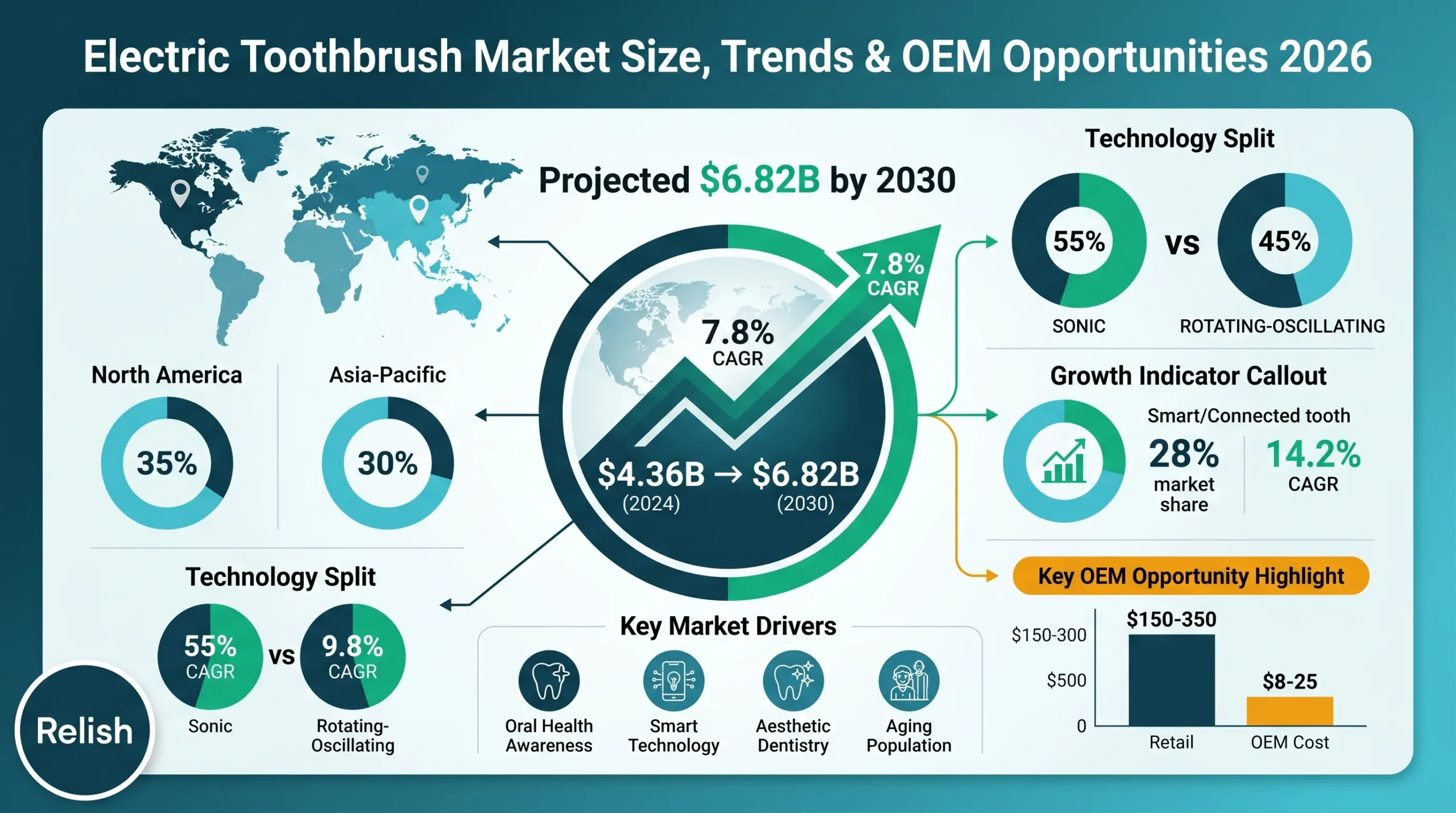
Краткий обзор рынка электрических зубных щеток
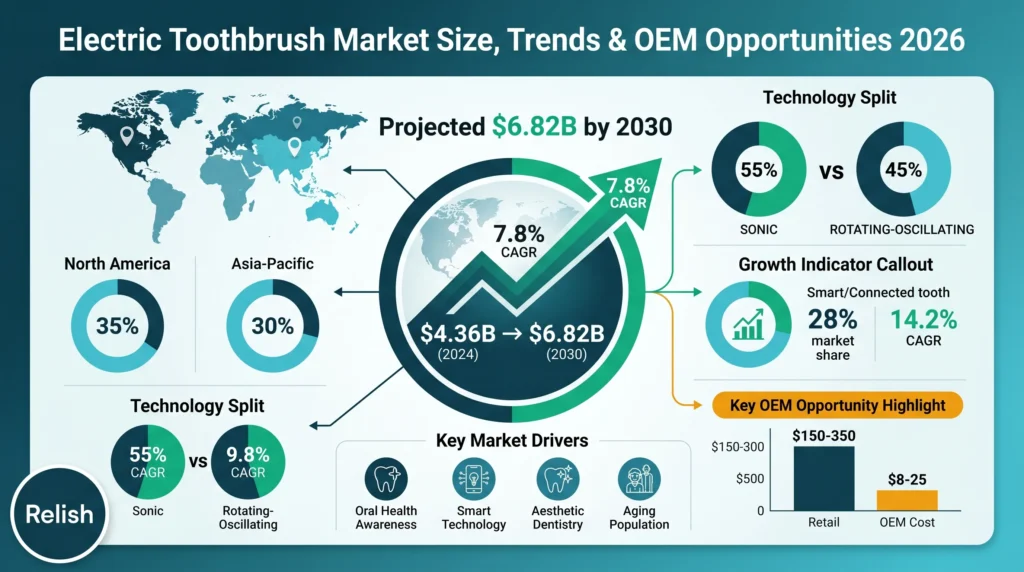
Мировой рынок электрических зубных щеток вступил в фазу ускоренного роста, увеличившись с $3,2 млрд в 2020 году до $4,36 млрд в 2024 году. К 2030 году рынок, по прогнозам, достигнет $6,82 млрд, что соответствует среднегодовому темпу роста (CAGR) в 7,8%. Этот рост обусловлен несколькими сходящимися факторами: повышением осведомленности потребителей о связи здоровья полости рта с общим состоянием организма, быстрой интеграцией технологий, включая ИИ и Bluetooth-подключение, а также растущей готовностью потребителей на развивающихся рынках инвестировать в премиальные устройства для личной гигиены.
Для владельцев брендов, розничных продавцов и инвесторов рынок электрических зубных щеток представляет собой привлекательную возможность для входа. Разрыв между розничной ценой премиальных брендовых продуктов ($150–$350) и фактической себестоимостью производства ($8–$25 за единицу) создает значительный потенциал маржи для стратегий Private Label и OEM. Более того, переход к модели прямых продаж потребителю (DTC) снизил барьеры для выхода на рынок, позволяя новым брендам охватывать глобальную аудиторию без ограничений традиционных розничных каналов.
С точки зрения OEM-производства, Китай — и в частности коридор Шэньчжэнь-Дунгуань — остается доминирующим мировым производственным центром, на долю которого приходится, по оценкам, 70% мирового выпуска электрических зубных щеток. Производители в этом регионе предлагают вертикально интегрированные цепочки поставок, возможности быстрого прототипирования и все более сложный потенциал НИОКР — все это обеспечивает основу для дальнейшего расширения рынка электрических зубных щеток далеко за рамки базового контрактного производства.
Ключевые выводы
- Мировой рынок оценивается в $4,36B (2024 г.), с ростом до $6,82B к 2030 г. при CAGR 7,8%
- Звуковые щетки в настоящее время занимают ~55% рынка против 45% у вращательно-возвратных
- На Северную Америку и Европу в совокупности приходится 65% мирового дохода
- Азиатско-Тихоокеанский регион является самым быстрорастущим, при этом внутренний рынок Китая вырос на 12,4% в годовом исчислении
- Умные/подключаемые к приложению щетки составляют 28% от общего рынка и растут с CAGR 14,2%
- Стоимость OEM-единицы варьируется от $4 до $35 в зависимости от уровня технологий и объема
- Функции устойчивости обеспечивают ценовую премию в 15–25% на европейских рынках
- Модели подписки DTC обеспечивают в 3,2 раза более высокую пожизненную ценность клиента по сравнению с разовой покупкой
Размер мирового рынка и CAGR 2024–2030
Траектория исторического роста (2020–2024)
Рынок электрических зубных щеток продемонстрировал замечательную устойчивость во время пандемии COVID-19. Хотя первоначальные сбои в цепочках поставок в начале 2020 года временно ограничили производство, повышенное внимание потребителей к личной гигиене фактически ускорило внедрение. Рыночная стоимость выросла с $3,2 млрд в 2020 году до $3,68 млрд в 2021 году (+15,0%), $3,96 млрд в 2022 году (+7,6%), $4,18 млрд в 2023 году (+5,6%) и $4,36 млрд в 2024 году (+4,3%). Замедление темпов роста в 2023–2024 годах отражает созревание рынка в развитых регионах, частично компенсируемое ускоряющимся ростом на развивающихся рынках.
Прогнозируемый рост: 2024–2030
В перспективе ожидается, что рынок будет стабильно расширяться. Отраслевые аналитики Grand View Research прогнозируют, что рынок достигнет $4,70 млрд в 2025 году, $5,10 млрд в 2026 году, $5,52 млрд в 2027 году, $5,95 млрд в 2028 году, $6,38 млрд в 2029 году и $6,82 млрд в 2030 году. Эта траектория предполагает стабильный CAGR примерно в 7,8%, обусловленный технологическими обновлениями, географической экспансией и циклом замены подключенных устройств.
Разбивка по подсегментам: Звуковые vs. Вращательно-возвратные
Две доминирующие технологии моторов — звуковая вибрация и вращательно-возвратная — продолжают конкурировать за долю рынка. Звуковые щетки, возглавляемые Philips Sonicare и растущим числом OEM-брендов, в настоящее время занимают примерно 55% мирового рынка по выручке. Их преимущество заключается в более широком охвате головки щетки, более тихой работе и воспринимаемом премиальном позиционировании. Вращательно-возвратные щетки, пионером и доминирующим производителем которых остается Oral-B (Procter & Gamble), занимают примерно 45%. Обе технологии продемонстрировали сопоставимую клиническую эффективность в удалении зубного налета, хотя потребительские предпочтения все больше склоняются в пользу звуковой технологии из-за ее более легкого ощущения и более элегантного дизайна.
Разница в цене заметна: средняя розничная цена (ASP) звуковых щеток составляет примерно $85–$110, по сравнению с $60–$85 для вращательно-возвратных моделей. Эта премия напрямую трансформируется в более высокую маржу для OEM-партнеров, производящих звуковые устройства, хотя сложность производства несколько выше.
Данные о размере региональных рынков
В следующей таблице представлена оценочная разбивка рынка электрических зубных щеток по регионам за три ключевых года, иллюстрирующая как текущее распределение, так и прогнозируемые траектории роста.
| Регион | Размер рынка в 2024 г. | Оценка на 2026 г. | Прогноз на 2030 г. | CAGR |
|---|---|---|---|---|
| Северная Америка | $1.53B | $1.78B | $2.31B | 7.2% |
| Европа | $1.31B | $1.53B | $2.05B | 7.8% |
| Азиатско-Тихоокеанский регион | $1.09B | $1.35B | $1.91B | 9.8% |
| Латинская Америка | $0.22B | $0.26B | $0.34B | 7.5% |
| Ближний Восток и Африка | $0.21B | $0.25B | $0.34B | 8.5% |
| Общемировой итог | $4.36B | $5.17B | $6.95B | 8.1% |
Ищете электрические зубные щетки для вашего бренда?
Relish Technology предоставляет комплексное OEM-производство — от промышленного дизайна и прототипирования до производства, сертификации и глобальной логистики. Запросите индивидуальное коммерческое предложение с вашими спецификациями.
Получить коммерческое предложение на производствоДрайверы рынка: что стимулирует рост
Повышение осведомленности о здоровье полости рта
Связь между здоровьем полости рта и системными заболеваниями — включая сердечно-сосудистые заболевания, диабет и болезнь Альцгеймера — перешла из академической литературы в массовое сознание потребителей. В Глобальном докладе о здоровье полости рта Всемирной организации здравоохранения за 2022 год отмечается, что 3,5 миллиарда человек во всем мире страдают от заболеваний полости рта (ВОЗ, 2022), что создает мощный нарратив в области общественного здравоохранения, который приносит пользу всей индустрии ухода за полостью рта и особенно рынку электрических зубных щеток. Рекомендации стоматологов стали основным фактором покупки: 64% покупателей электрических зубных щеток в Северной Америке назвали рекомендацию своего стоматолога ключевым фактором (Опрос потребителей ADA, 2024).
Социальные сети еще больше повысили осведомленность. Контент о здоровье зубов на таких платформах, как TikTok и Instagram, ежегодно набирает миллиарды просмотров, причем обзоры, сравнения и результаты "до и после" использования электрических зубных щеток стали основной категорией контента. Этот органический маркетинговый канал значительно снизил затраты на привлечение клиентов для новых DTC-брендов.
Интеграция «умных» технологий и Интернета вещей (IoT)
Интеграция Bluetooth, мобильных приложений и аналитики на базе ИИ превратила электрическую зубную щетку из простого гигиенического инструмента в подключенное устройство для здоровья. «Умные» зубные щетки в настоящее время составляют примерно 28% от общего дохода рынка электрических зубных щеток, и эта доля растет на 14.2% в год — почти вдвое превышая общие темпы роста рынка. Такие функции, как обратная связь по чистке в реальном времени, картографирование покрытия по зонам и персонализированные рекомендации, создают убедительное ценностное предложение, оправдывающее премиальное ценообразование.
Тенденция IoT также создает экосистему данных. Бренды с подключенными зубными щетками получают доступ к анонимизированным данным о поведении при чистке, которые используются для разработки продуктов, определения сроков подписки на сменные головки и таргетированного маркетинга. Это преимущество в данных создает значительный конкурентный барьер, который активно выстраивают ведущие бренды.
Тенденции в эстетической стоматологии
Мировой рынок эстетической стоматологии, оцениваемый в $26,6 миллиарда долларов в 2024 году, создает мощный положительный эффект для рынка электрических зубных щеток. Потребители, инвестирующие в прозрачные каппы, виниры и отбеливание, крайне мотивированы сохранять результаты, и стоматологи последовательно рекомендуют электрические зубные щетки как часть процедур пост-лечения. Только база пациентов Invisalign насчитывает около 12 миллионов пользователей по всему миру — это встроенный рынок для премиальных устройств по уходу за полостью рта.
Демографические изменения старения населения
Старение мирового населения является структурным фактором роста рынка электрических зубных щеток. К 2030 году, по оценкам, 1,4 миллиарда человек в мире будут в возрасте 60 лет и старше (ООН ДЭСВ, 2023). Электрические зубные щетки особенно полезны для пожилых пользователей благодаря эргономичным преимуществам, встроенным таймерам, компенсирующим когнитивные нарушения, и датчикам давления, защищающим рецедирующие десны. Япония, где проникновение электрических зубных щеток уже превышает 50%, демонстрирует рыночный потенциал стареющего населения.
Ключевые тенденции рынка электрических зубных щеток в 2026 году
Модели подписки
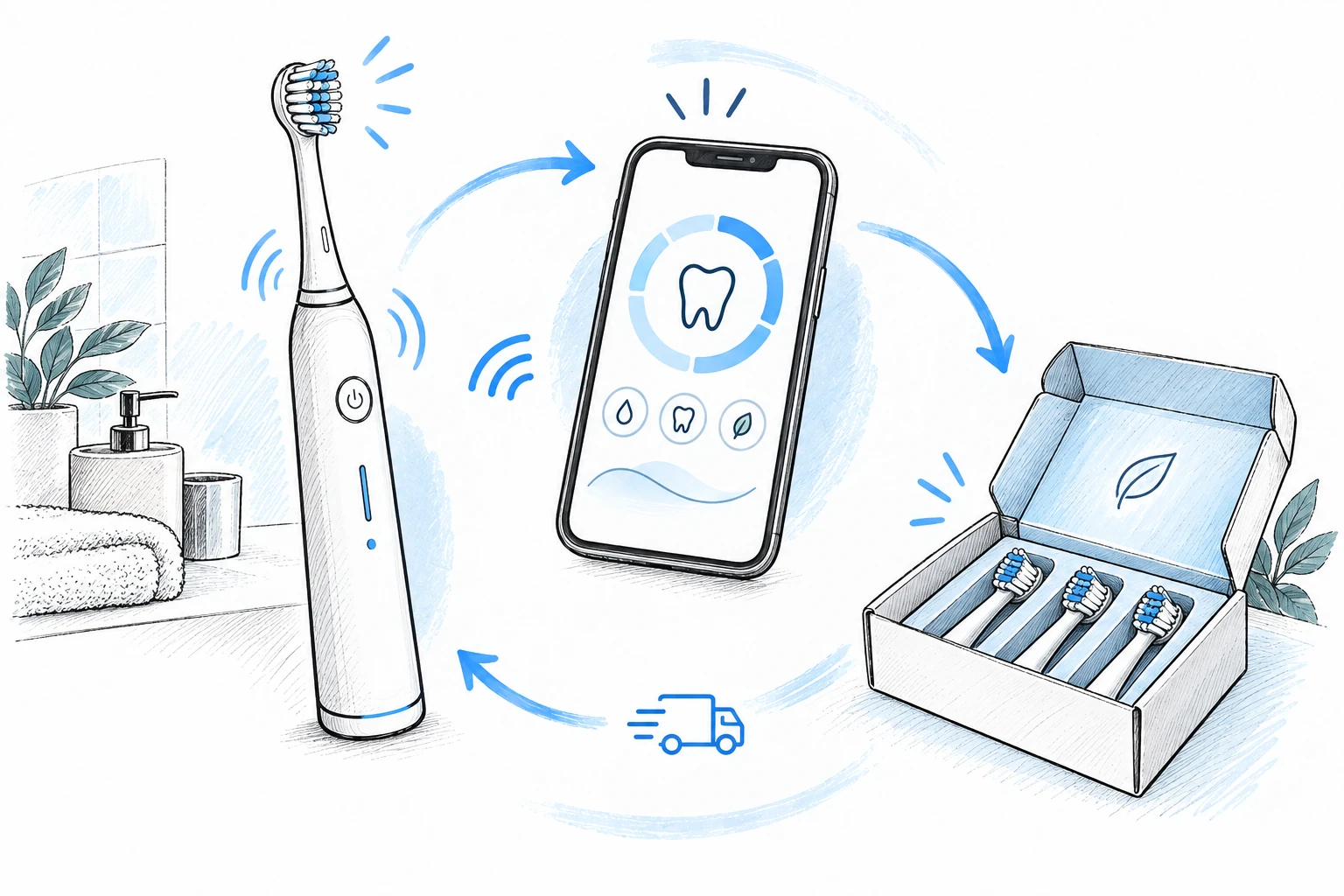
Модель подписки на сменные головки стала одним из самых значительных инноваций в бизнес-моделях на рынке электрических зубных щеток и в более широкой индустрии ухода за полостью рта. Стоматологи рекомендуют менять насадки каждые три месяца, что создает естественную возможность для получения регулярного дохода. Ведущие бренды сообщают о показателях подключения подписки на уровне 25–40% для покупок «умных» зубных щеток, при этом средняя пожизненная ценность клиента в 3,2 раза выше, чем у покупателей разовых товаров. Модель подписки также решает одну из самых больших проблем OEM-производителей — удержание клиентов — создавая постоянные точки взаимодействия, которые укрепляют лояльность к бренду.
Зубные щетки с подключением к приложению
Подключение к мобильному приложению перешло из премиальной функции в ожидаемую функцию в среднеценовом сегменте рынка электрических зубных щеток (розничная цена $50–$120). В 2026 году более 65% новых моделей электрических зубных щеток, запущенных в Северной Америке и Европе, включают Bluetooth-подключение. Качество сопутствующих приложений стало ключевым фактором дифференциации: бренды конкурируют в точности ИИ-коучинга, элементах геймификации, интеграции с платформами здоровья (Apple Health, Google Fit) и управлении семейными аккаунтами.
Для OEM-производителей компонент разработки приложений представляет собой как вызов, так и возможность. Разработка качественного, надежного приложения для iOS/Android требует специализированных навыков программной инженерии, которых часто не хватает фабрикам, ориентированным на аппаратное обеспечение. Этот пробел создает возможности для производителей, таких как Relish Tech которые могут предложить интегрированные решения «аппаратное обеспечение плюс программное обеспечение».
Устойчивое развитие: бамбук, перерабатываемые материалы и не только
Экологическая сознательность меняет дизайн продуктов в сфере потребительской электроники, и уход за полостью рта не является исключением. В 2026 году функции, ориентированные на устойчивое развитие на рынке электрических зубных щеток, обеспечивают ценовую премию в 15–25% на европейских рынках и все чаще ожидаются в Северной Америке. Ключевые инновации в области устойчивого развития включают:
- Конструкции со сменными батареями, продлевающие срок службы изделия с 3 до 5+ лет
- Перерабатываемые головки щеток с использованием щетины на растительной основе и корпусов из биопластика
- Уменьшенная упаковка — отказ от одноразового пластика в пользу переработанного картона
- Обязательства по углеродно-нейтральному производству, которые все чаще требуют европейские розничные покупатели
- Программы возврата и переработки устройств по окончании срока службы
Премиализация против доступности
Одна из самых интересных динамик на рынке электрических зубных щеток в 2026 году — одновременный рост на обоих концах ценового спектра. Люксовый сегмент ($200+) продолжает расширяться за счет ультра-премиальных функций, таких как диагностика на базе ИИ, керамические насадки и коллаборации с дизайнерами. Одновременно с этим бюджетный сегмент ($15–$30) переживает взрывной рост на развивающихся рынках и через дискаунтеры. Средний сегмент ($60–$120) испытывает давление с обеих сторон, вынуждая бренды либо внедрять инновации в премиальной нише, либо оптимизировать объемы по доступным ценам.
Рынок электрических зубных щеток: конкурентная среда
Ведущие мировые бренды
Рынок электрических зубных щеток представляет собой сочетание устоявшихся транснациональных корпораций и новых DTC-игроков. Иерархия конкуренции в 2026 году выглядит следующим образом:
- Philips Sonicare (Koninklijke Philips N.V.): Оценочная доля мирового рынка по выручке — 28–30%. Доминирует в Северной Америке и Западной Европе, занимая прочные позиции в премиальном и средне-премиальном сегментах. Экосистема приложения Sonicare является наиболее зрелой в отрасли.
- Oral-B / Braun (Procter & Gamble): Оценочная доля мирового рынка — 25–27%. Лидирующие позиции в технологии вращательно-пульсирующих движений. Сильное присутствие в аптечных и розничных каналах. Серия iO представляет их премиальное направление, в то время как серии Pro/Smart занимают средний ценовой сегмент.
- Panasonic (Panasonic Corporation): Оценочная доля 8–10%, с особым положением в Японии и других азиатских рынках. Известна компактными дорожными моделями и высоким качеством сборки.
- FOREO: Оценочная доля 5–7%, доминирует в ультра-премиум сегменте ($200–$400). Серия ISSA выделяется медицинскими силиконовыми насадками и смелым дизайном.
- Colgate-Palmolive (Colgate Hum): Оценочная доля 4–5%, использует масштабные каналы дистрибуции FMCG. Бренд Hum нацелен на начальный и средний сегмент умных зубных щеток с доступными ценами.
- Новые DTC-бренды: Совокупная доля 8–12%, быстрорастущий сегмент. Ключевые игроки: Burst Oral Care, quip, Snow и региональные бренды. Конкурируют за счет сторителлинга, подписных моделей и маркетинга в соцсетях.
Возможности Private Label и OEM
Несмотря на сильные бренды, рынок электрощеток остается доступным для новых игроков. Программы Private Label ритейлеров (например, Target Up&Up, CVS Health, Boots) занимают 6–8% мировых продаж и растут. Валовая маржа Private Label электрощеток (55–70% в рознице) делает их привлекательными для ритейлеров, стремящихся дифференцировать отделы оральной гигиены.
Для OEM-партнеров возможности не ограничиваются Private Label. Линейки для стоматологов, корпоративные программы здоровья, партнерства с отелями и нишевые бренды (ортодонтические, детские, дорожные) — все это точки входа, избегающие прямой конкуренции с дуополией Philips и Oral-B.
Региональный анализ
Северная Америка
Северная Америка остается крупнейшим рынком электрощеток — $1,53 млрд в 2024 году. На США приходится около $1,35 млрд, проникновение электрощеток в домохозяйства достигнет 42–45% к 2025 году. Канадский рынок — около $130 млн с более высоким подушевым проникновением благодаря всеобщему стоматологическому страхованию и рекомендациям врачей.
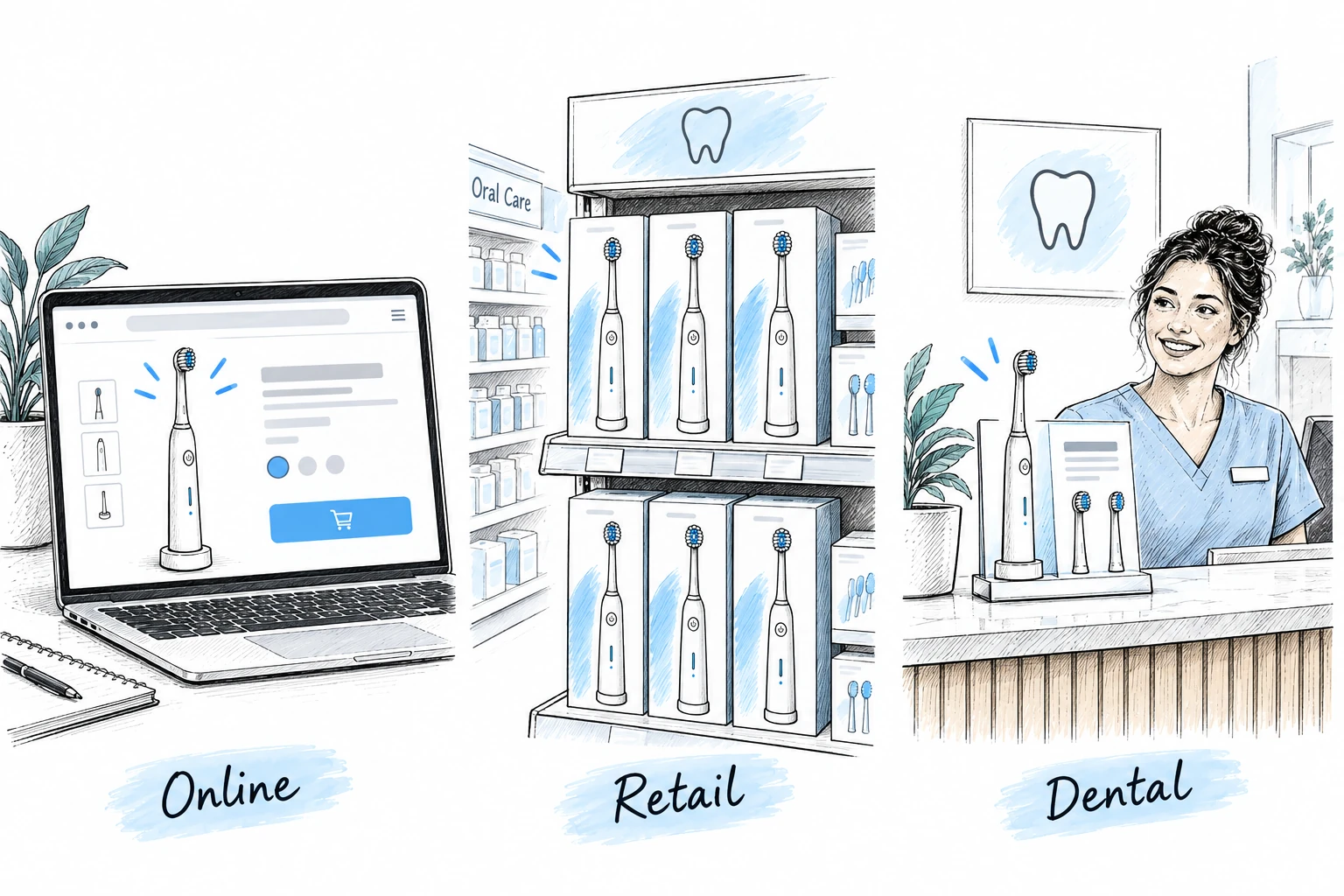
Ключевые характеристики североамериканского рынка: доминирование e-commerce (Amazon — 35–40% онлайн-продаж электрощеток), высокая популярность подписных моделей и тренд на премиализацию. Средняя розничная цена электрощеток в США выросла с $62 в 2020 до $78 в 2025, отражая переход к умным моделям.
Европа
Европейский рынок электрощеток достиг $1,31 млрд в 2024 году со значительными различиями по странам. Германия Крупнейший европейский рынок — около $320 млн, проникновение в домохозяйства ~38%, сильное присутствие в аптечных каналах. Великобритания Следом — около $260 млн, самая высокая доля e-commerce в Европе и быстрый рост DTC-брендов. Франция Около $190 млн, рост ускоряется благодаря улучшению рекомендаций в аптеках.
Динамика европейского рынка электрощеток сильно зависит от требований устойчивости. Директива ЕС по экодизайну и требования к упаковке меняют спецификации для всех производителей. Бренды с экологическими характеристиками (перерабатываемые материалы, уменьшенная упаковка, ремонтопригодность) получают измеримое конкурентное преимущество.
Азиатско-Тихоокеанский регион
Азиатско-Тихоокеанский регион — двигатель роста мирового рынка электрощеток: $1,09 млрд в 2024 году с прогнозом почти удвоения до $1,91 млрд к 2030 году. Китай Выделяется — внутренний рынок достиг около $460 млн в 2024 году, рост 12,4% в год. Экосистема e-commerce Китая (Tmall, JD.com, Pinduoduo) позволяет быстро строить бренды и тестировать продукты в масштабе. Япония Остается самым зрелым азиатским рынком с проникновением в домохозяйства более 50%, оценивается примерно в $280 млн. Южная Корея ($120 млн) и Индия ($95 млн, рост 18% CAGR) дополняют основные рынки.
Развивающиеся рынки
Бразилия, Мексика и Юго-Восточная Азия представляют следующую волну роста. Бразилия Население 215 млн человек, проникновение электрощеток ниже 10%, что создает огромный потенциал. Юго-Восточная Азия — особенно Таиланд, Вьетнам и Индонезия — выигрывает от роста потребления среднего класса и агрессивного расширения e-commerce китайскими OEM-брендами. Эти рынки предпочитают доступные модели в диапазоне $15–$35, что делает их идеальными целями для оптимизированного по стоимости OEM-производства.
Анализ возможностей OEM-производства
Китай как доминирующий производственный центр
Экосистема производства электрощеток в Китае не имеет аналогов по масштабу, возможностям и эффективности затрат. Подробный обзор OEM-процесса см. в нашем руководством по OEM-производству электрических зубных щеток. Коридор Шэньчжэнь-Дунгуань в провинции Гуандун является домом для большинства OEM/ODM-производств: более 300 заводов выпускают электрические устройства для оральной гигиены для мирового рынка. Эта концентрация создает глубокие преимущества цепочки поставок: поставщики сырья, производители пресс-форм, двигателей, батарей, PCB-сборки и упаковки находятся в радиусе 60 минут, что сокращает сроки и ускоряет итерации.
Помимо стоимости, преимущество китайского производства все больше заключается в инженерных возможностях. Ведущие OEM-заводы нанимают 50–200+ инженеров и предлагают полный цикл разработки: от промышленного дизайна и механики до прошивки и интеграции приложений. Разрыв в качестве между китайским OEM-продуктом и западными брендами значительно сократился: многие китайские устройства соответствуют или превосходят качество сборки брендовых аналогов.
Шэньчжэнь против конкурирующих производственных регионов
Хотя Вьетнам, Индия и Мексика часто рассматриваются как альтернативные производственные направления, Китай сохраняет решающие преимущества для производства на рынке электрических зубных щеток. Ключевые точки сравнения включают:
- Глубина цепочки поставок: Шэньчжэнь предлагает полную вертикальную интеграцию — поставщики двигателей, производители аккумуляторов, литьевые формы, производители печатных плат и сборочные линии расположены в одном месте. Во Вьетнаме и Индии отсутствует эквивалентная плотность цепочки поставок для прецизионных двигательных узлов.
- Инженерные кадры: Китай ежегодно выпускает около 6 миллионов выпускников STEM. Заводы OEM в Шэньчжэне регулярно предлагают разработку встроенного ПО, проектирование печатных плат и услуги промышленного дизайна, которые конкурирующие регионы не могут предоставить по сопоставимым ценам.
- Сроки выполнения: Стандартные производственные сроки в Шэньчжэне составляют 25–35 дней от подтверждения заказа до отгрузки. Аналогичные предприятия во Вьетнаме обычно требуют 40–55 дней из-за зависимости от импорта компонентов.
- Конкурентоспособность затрат: Несмотря на рост затрат на рабочую силу, общая стоимость единицы продукции в Шэньчжэне остается на 20–35% ниже, чем во Вьетнаме, и на 40–50% ниже, чем в Мексике, для эквивалентных спецификаций электрических зубных щеток.
MOQ и тенденции затрат
Минимальные объемы заказа и стоимость единицы продукции на рынке электрических зубных щеток значительно варьируются в зависимости от сложности продукта и уровня кастомизации:
- Стандартная звуковая зубная щетка (без пресс-формы): MOQ 500–1 000 единиц, стоимость единицы $4–$8
- Кастомная звуковая зубная щетка (новая пресс-форма): MOQ 1 000–2 000 единиц, стоимость единицы $8–$15, стоимость пресс-формы $3 000–$8 000
- Умная подключенная зубная щетка: MOQ 1 000–3 000 единиц, стоимость единицы $15–$25
- Премиальная умная зубная щетка (ИИ + приложение): MOQ 2 000–5 000 единиц, стоимость единицы $25–$35
Для более глубокого анализа затрат см. наш руководство по стоимости производства электрических зубных щеток. Тенденции затрат в 2026 году характеризуются умеренной дефляцией на стандартные компоненты (двигатели, аккумуляторы, пластик) и умеренной инфляцией на продвинутые компоненты (модули BLE, датчики MEMS) из-за продолжающейся нормализации поставок полупроводников. В целом, стоимость единицы продукции на рынке электрических зубных щеток осталась стабильной или снизилась на 2–5% по сравнению с прошлым годом для эквивалентных спецификаций.
Основы OEM-закупок
- MOQ: 500–2 000 единиц для стандартных моделей; 2 000–5 000 единиц для премиальных умных зубных щеток
- Время выполнения: 25–35 дней стандартное производство; 40–55 дней для кастомной пресс-формы и начальных производственных партий
- Контроль качества: AQL 1.5 для критических дефектов, AQL 2.5 для незначительных дефектов — соответствует стандартам выборки ISO 2859-1
- Масштаб фабрики: Объект площадью 20 000 м² с более чем 300 сотрудниками, 15 производственными линиями и более 50 собственными инженерами-разработчиками в Relish Technology
- Сертификаты: Предварительная сертификация FDA, CE (MDR), ISO 13485, RoHS, REACH, UN 38.3 — сокращение времени выхода на рынок на 3–6 месяцев
Ландшафт сертификации
Требования к доступу на рынок электрических зубных щеток значительно различаются в зависимости от страны назначения. OEM-производители, ориентированные на европейский рынок, должны соответствовать маркировке CE в соответствии с Регламентом о медицинских изделиях (MDR) или Директивой по электромагнитной совместимости, в зависимости от классификации продукта. Рынок США требует регистрации в FDA или разрешения 510(k) для большинства электрических зубных щеток. Дополнительные сертификаты, обычно требуемые, включают RoHS, REACH, UN 38.3 (безопасность аккумуляторов) и IPX7 (водонепроницаемость). Для производителей, таких как Relish Tech, поддержание существующих портфелей сертификации значительно сокращает время выхода на рынок для новых партнеров-брендов. См. наш руководстве по OEM-сертификации для полного разбора требований по рынкам.
Готовы запустить линейку электрических зубных щеток?
Поговорите с нашей инженерной командой о ваших требованиях к продукту. Мы предлагаем интегрированные решения «аппаратное обеспечение плюс программное обеспечение», предварительные сертификаты FDA/CE и стандартные сроки выполнения 25–35 дней.
Поговорить с нашей инженерной командойСтратегические рекомендации для новых участников рынка
На основе нашего анализа текущей рыночной ситуации мы предлагаем следующие стратегические рекомендации для компаний, рассматривающих выход на рынок электрических зубных щеток:
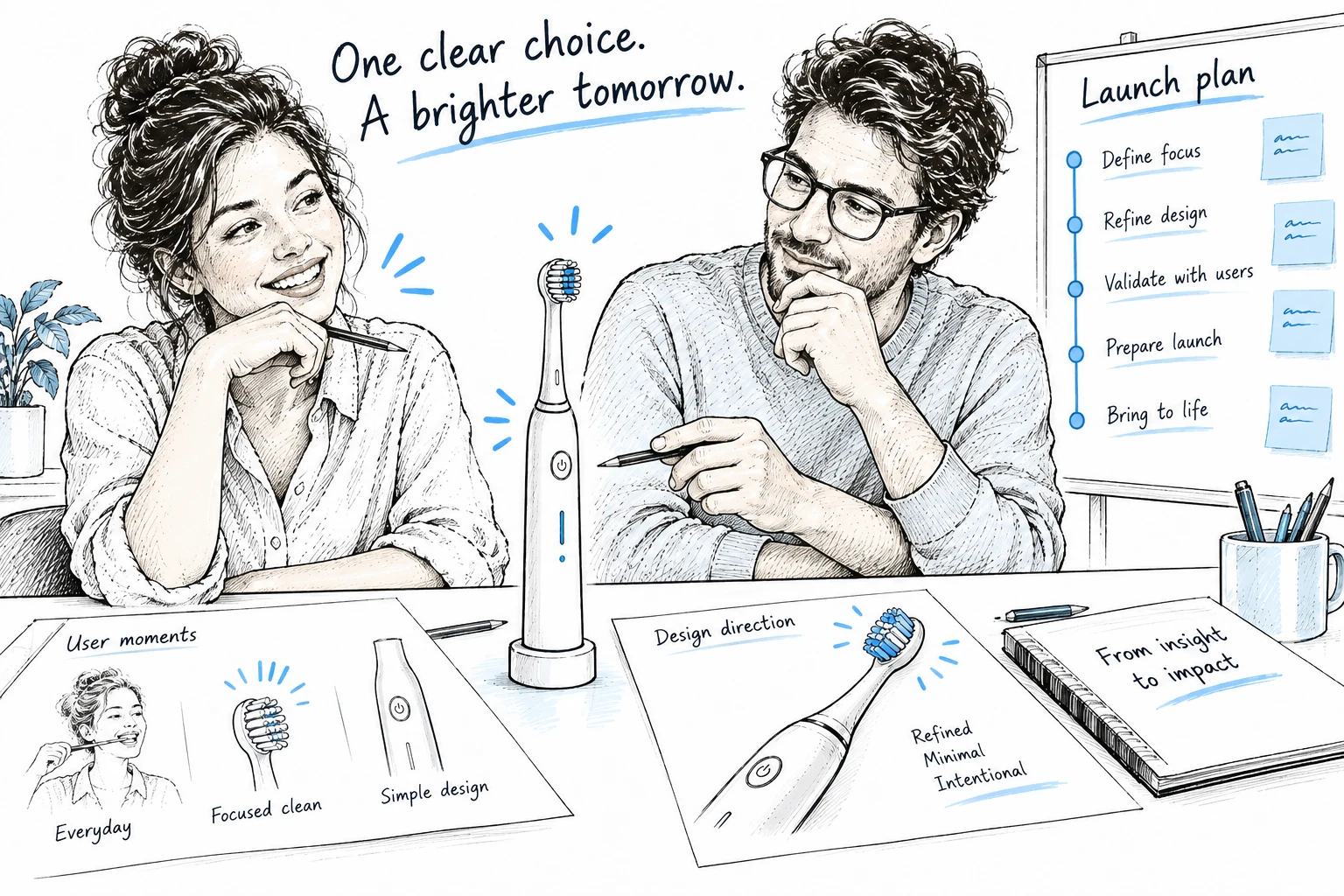
- Сначала нацельтесь на конкретную нишу. Вместо прямой конкуренции с Philips и Oral-B определите недостаточно обслуживаемый сегмент — например, ортодонтических пациентов, пожилых людей, детей или экологически сознательных потребителей — и стройте идентичность вашего бренда вокруг этой ниши, прежде чем расширяться.
- Начните с одного флагманского продукта, а не с полного ассортимента. Успешные новые бренды обычно запускают один хорошо дифференцированный SKU, а не линейку продуктов. Сосредоточьте бюджет на разработку, маркетинговые расходы и повествование о бренде на создании одного исключительного продукта.
- Инвестируйте в сопутствующий опыт. Для умных зубных щеток приложение — не дополнение, это и есть продукт. Выделите 20–30% вашего бюджета на разработку на программное обеспечение и ставьте пользовательский опыт выше количества функций.
- Стройте модель подписки с первого дня. Экономика рынка электрических зубных щеток работает в масштабе только тогда, когда учитывается регулярный доход от сменных насадок. Разработайте упаковку, процесс адаптации и последующие коммуникации так, чтобы максимизировать конверсию в подписку.
- Выбирайте производственного партнера на основе возможностей НИОКР, а не только стоимости единицы продукции. Лучшие OEM-партнеры предоставляют инженерные рекомендации по продукту, нормативные консультации и постоянное улучшение качества — возможности, которые оправдывают умеренную надбавку за единицу и значительно снижают общую стоимость владения.
- Планируйте нормативное разнообразие с самого начала. Если вы намерены продавать на нескольких рынках, проектируйте продукт так, чтобы он соответствовал самым строгим нормативным требованиям (обычно EU CE + US FDA) с самого начала. Доработка для соответствия требованиям добавляет затраты и задержки.
8 ключевых выводов
- Рынок электрических зубных щеток объемом $4,36 млрд достигнет $6,82 млрд к 2030 году (CAGR 7,8%)
- Азиатско-Тихоокеанский регион является самым быстрорастущим регионом рынка электрических зубных щеток с CAGR 9,8%
- Умные/подключенные к приложению зубные щетки растут с CAGR 14,2% — вдвое превышая общий темп рынка электрических зубных щеток
- Звуковая технология занимает 55% доли рынка и имеет ценовую премию
- Стоимость OEM составляет $4–$35/ед.; розничные цены составляют $25–$350+
- Хаб Шэньчжэнь в Китае предлагает преимущество в стоимости 25–35% по сравнению с конкурирующими регионами
- Sustainability features command 15–25% premium in European markets
- Модели подписки обеспечивают в 3,2 раза более высокую пожизненную ценность клиента
Выйдите на рынок электрических зубных щеток с уверенностью
Relish Technology предоставляет комплексное OEM-производство электрических зубных щеток — от дизайна продукта и прототипирования до производства, сертификации и глобальной логистики. Имея 20 000 м² производственных площадей, более 300 сотрудников и предварительные сертификаты FDA/CE/ISO 13485, мы сокращаем время вывода на рынок на 3–6 месяцев.
Запросить коммерческое предложение на производствоЧасто задаваемые вопросы
Ссылки
- Grand View Research. (2025). Отчет об анализе размера, доли и тенденций рынка электрических зубных щеток, 2025–2030. Извлечено из https://www.grandviewresearch.com/industry-analysis/electric-toothbrush-market
- Statista. (2026). Электрические зубные щетки: мировые рыночные данные и прогнозы выручки. Извлечено из https://www.statista.com/outlook/cmo/beauty-personal-care/oral-care/electric-toothbrushes/worldwide
- Mordor Intelligence. (2025).
. Рынок электрических зубных щеток — рост, тенденции и прогнозы (2025–2030). Извлечено из https://www.mordorintelligence.com/industry-reports/electric-toothbrush-market - Всемирная организация здравоохранения. (2022). Доклад о состоянии глобального здоровья полости рта: к всеобщему охвату услугами стоматологической помощи к 2030 году. Geneva: WHO. Retrieved from https://www.who.int/publications/i/item/9789240061484
- Euromonitor International. (2025). Уход за полостью рта: глобальный обзор отрасли и рыночные данные. Passport database. Retrieved from https://www.euromonitor.com/oral-care
- Организация Объединенных Наций, Департамент по экономическим и социальным вопросам. (2023). Старение населения мира 2023. Извлечено из https://www.un.org/development/desa/pd/
- Американская стоматологическая ассоциация. (2024). Опрос потребительского поведения в отношении здоровья полости рта. Извлечено из https://www.ada.org/resources/research