






Water Flosser
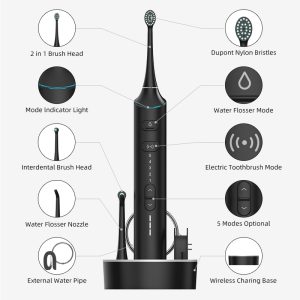
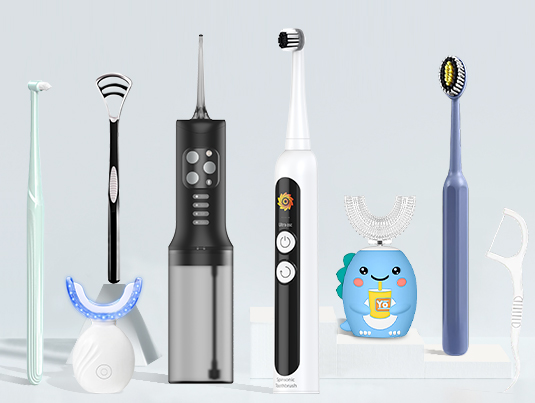
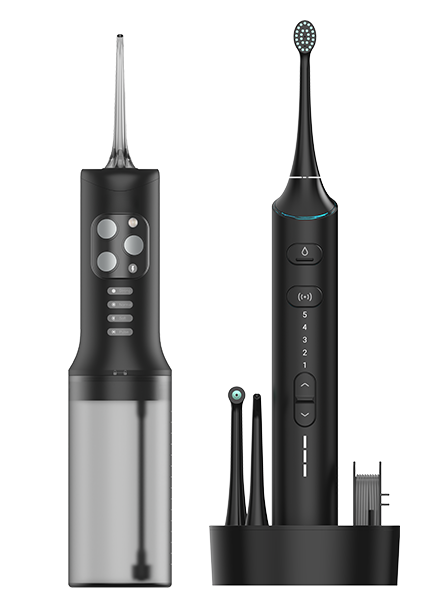
2-in-1 Electric Toothbrush & Water Flosser Combo – Innovative OEM Model TF01C
Disrupt the oral care market with an all-in-one dental solution. The TF01C seamlessly integrates high-performance sonic brushing (up to 38,000…
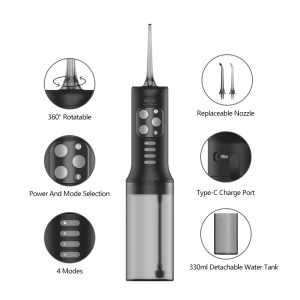
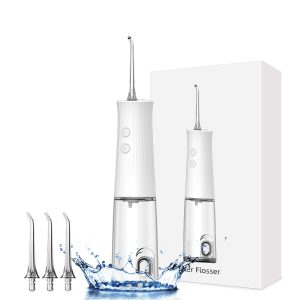
330ml Large Capacity Portable Water Flosser – OEM Model FP16C
Solve the biggest consumer pain point in portable flossing. The FP16C features an industry-leading 330ml extra-large water tank, allowing users…
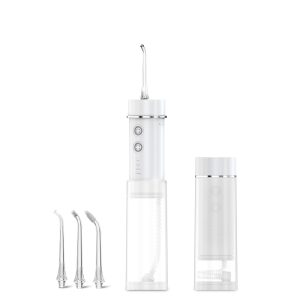
FP10CSuper Mini Travel Water Flosser – Private Label Model FP10CFP10C
Big power in a pocket-sized package. The FP10C is engineered for the ultimate on-the-go oral care experience, making it the…
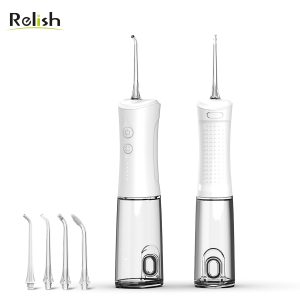
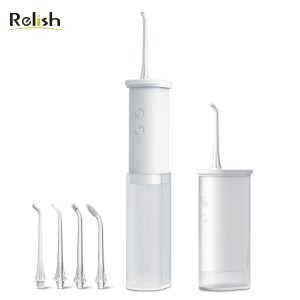
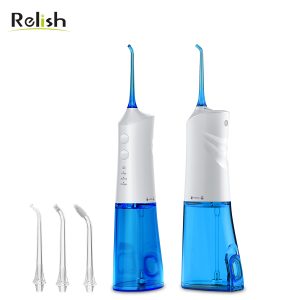
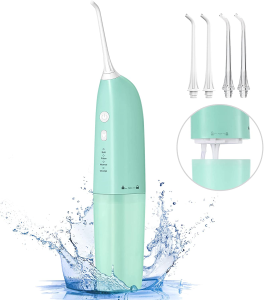
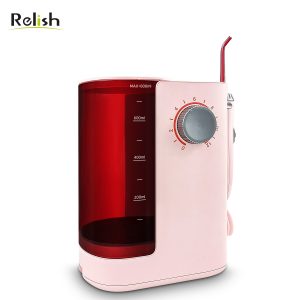
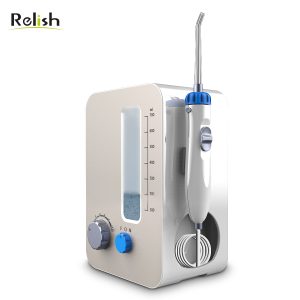
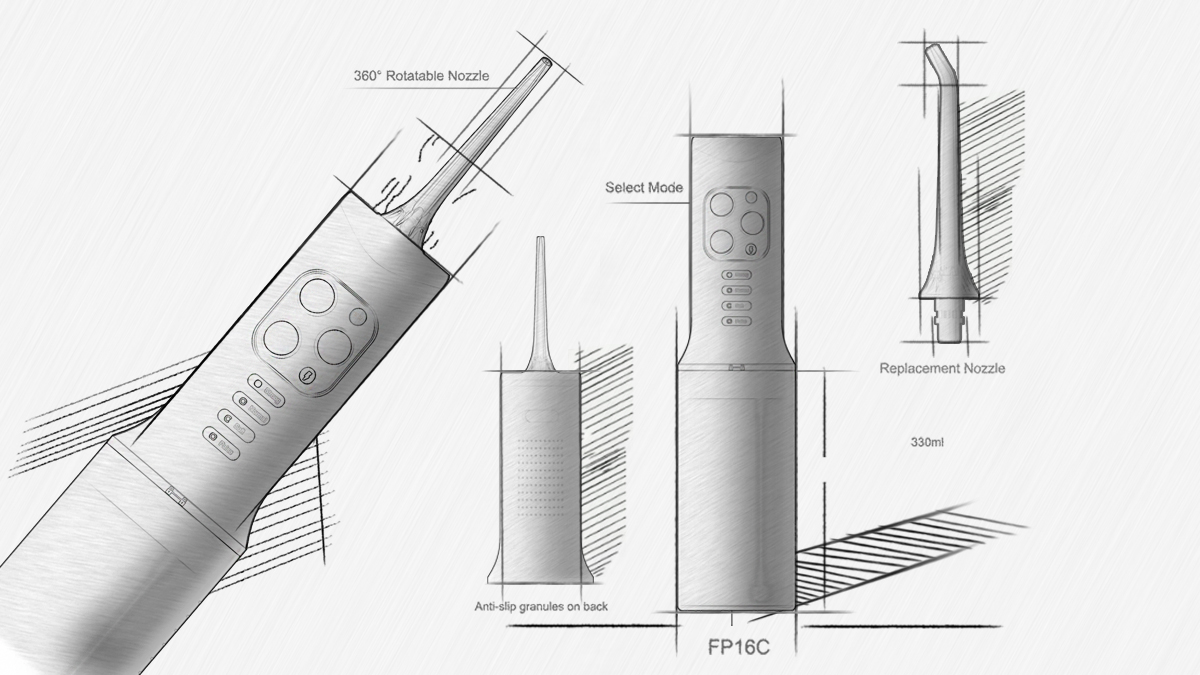
Custom Device Shape
Private-label body shape development using in-house CAD/CAM engineering and precision molding.
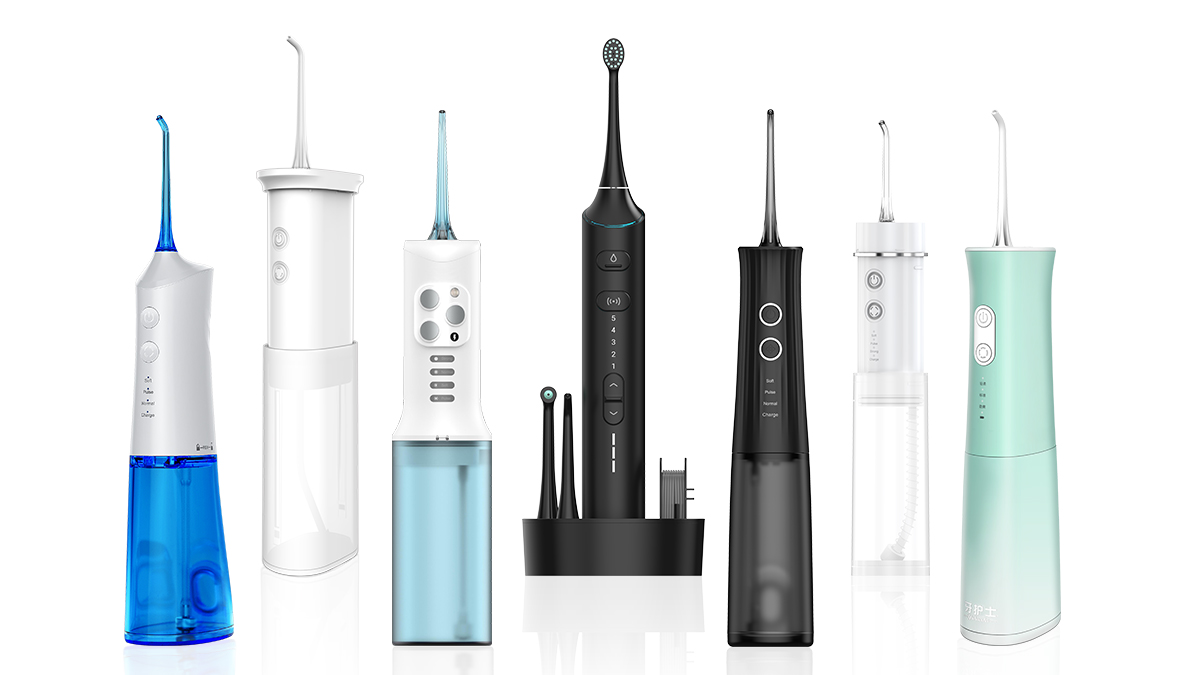
Custom Body Colors
PANTONE color matching, injection molding coloring, and multiple surface finishing options.
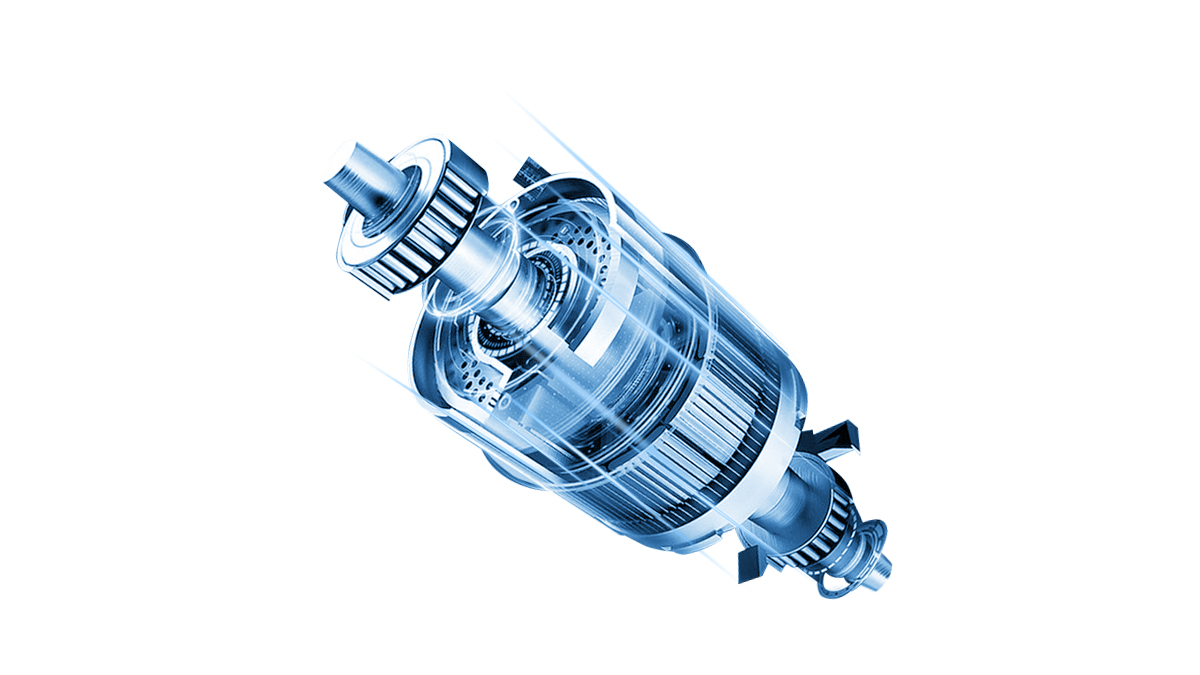
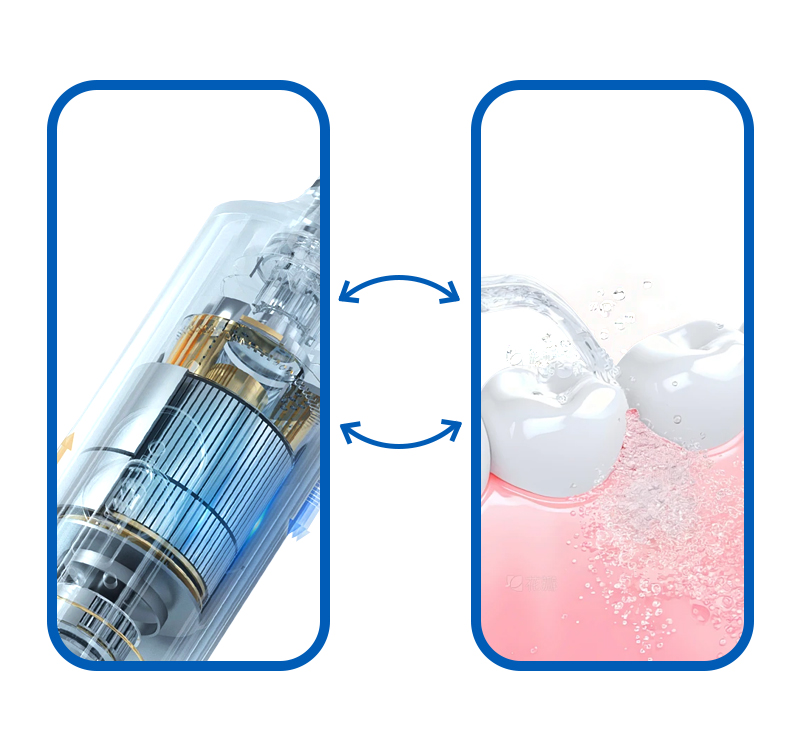
Custom Pump & Motor Systems
Brushless motors, adjustable pulse-frequency pumps, high-pressure micro pumps, and quiet-flow motors—configured to meet your market’s performance expectations.
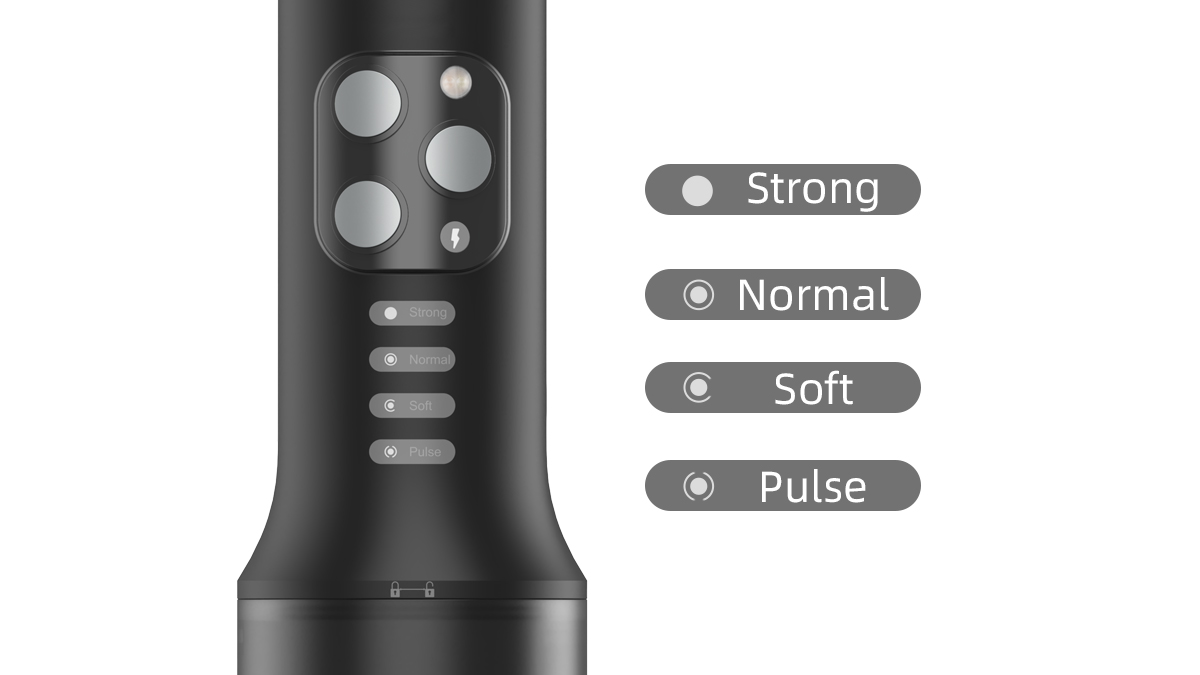
Custom Cleaning Modes
Fully programmable modes: Gentle, Daily Clean, Deep Clean, Ortho Mode, Gum Massage, and more.
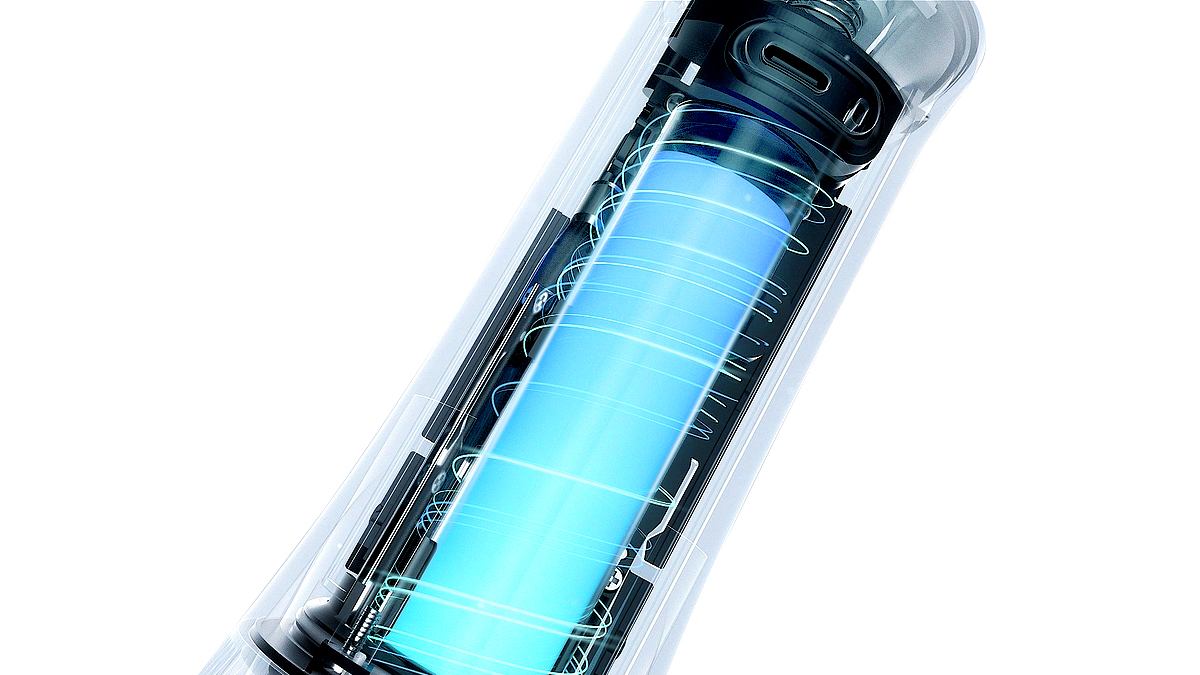
Custom Battery & Charging
Inductive charging, conductive charging, USB-C direct charging, or replaceable battery structures.
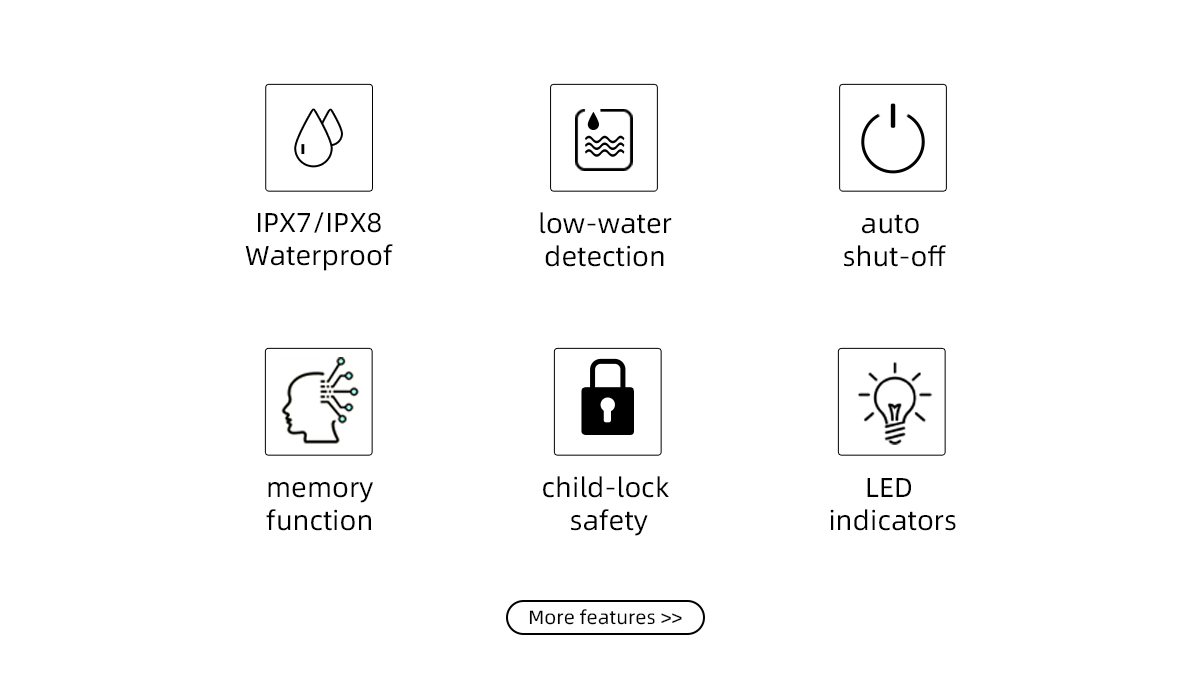
Advanced Smart Features
IPX7/IPX8 waterproofing, low-water detection, auto shut-off, memory function, travel lock, LED indicators, child lock—fully customizable.
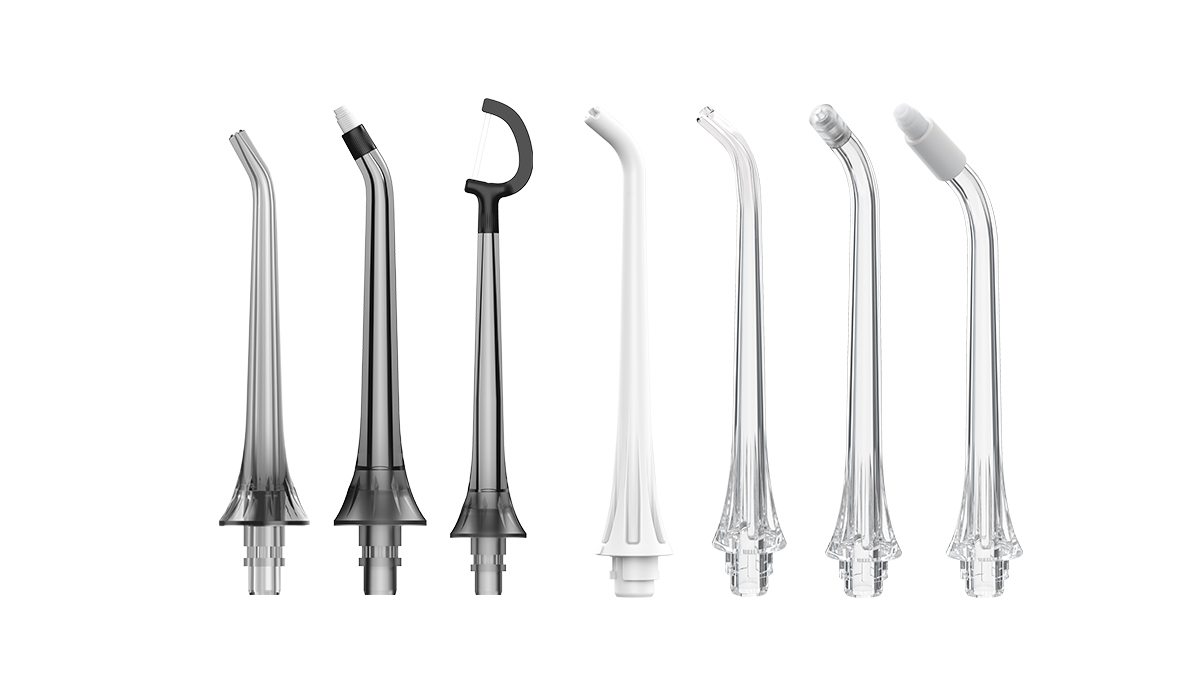
Custom Nozzle Options
Personalized nozzle types, tip materials, colors, and angles—optimized for interdental cleaning, braces, implants, and periodontal care.
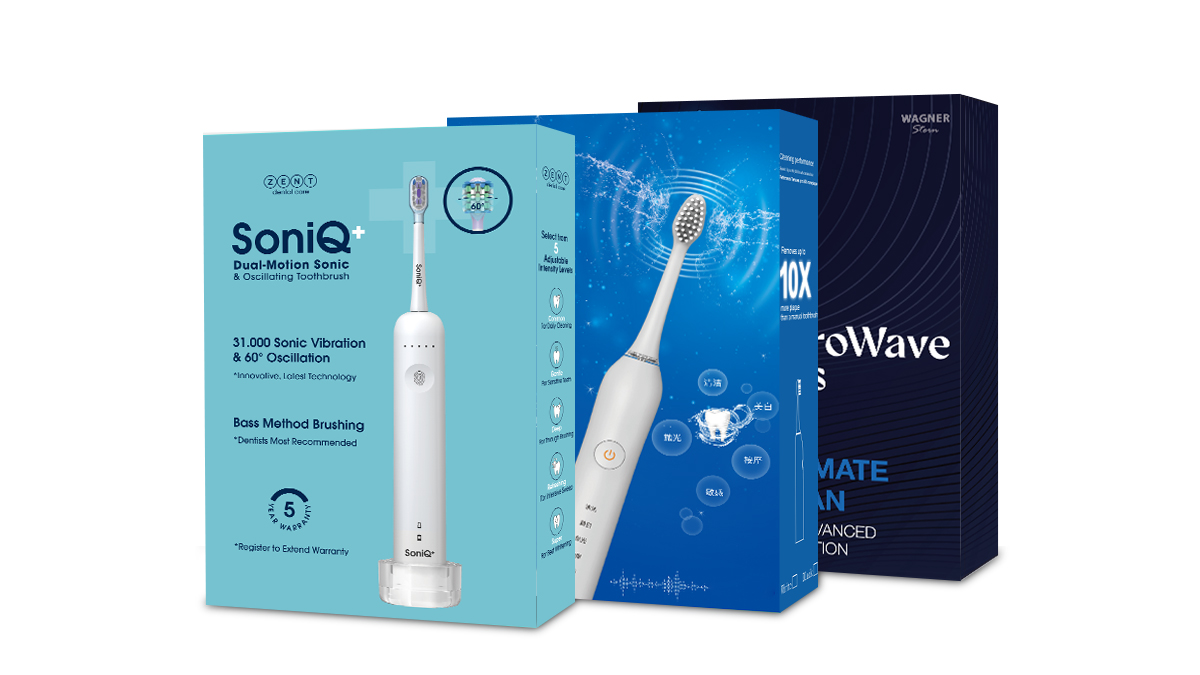
Custom Retail Packaging
Premium retail-ready boxes with custom logo, finishes, and unboxing experience.
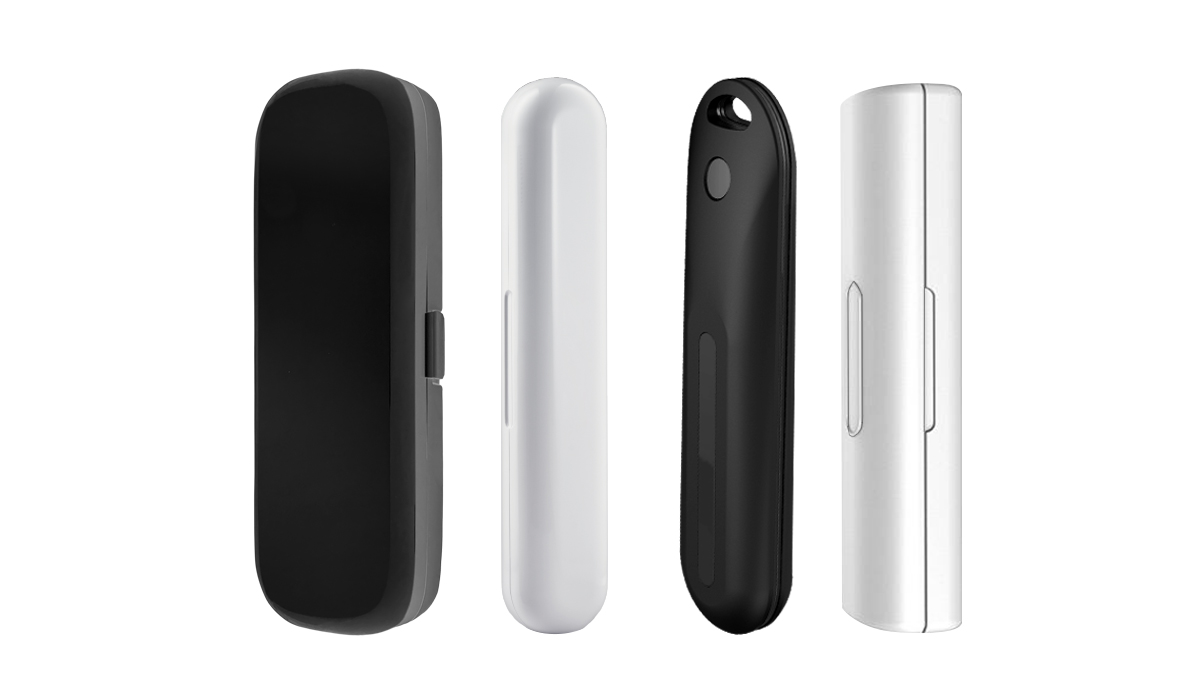
Custom Travel Case
Tailor-made cases designed for portability, subscription kits, and premium gift sets.





A water flosser (also known as an oral irrigator) is a powered dental hygiene device that uses a controlled stream of pulsating water to clean between teeth and below the gumline. Powered by a rechargeable or replaceable battery (or AC adapter), it delivers pressurized water through interchangeable nozzles to dislodge food debris, reduce bacteria, and improve gum circulation.
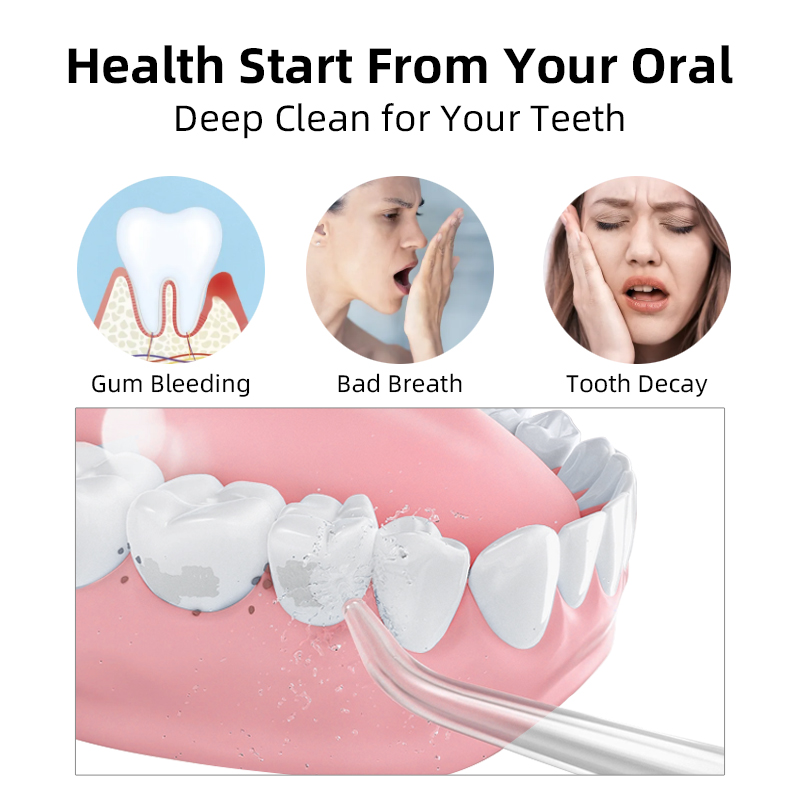
Contrary to the myth that it’s “just for people with braces,” modern water flossers are designed for everyone—from children to seniors—and offer clinically proven benefits: reduced gingivitis, less bleeding gums, and fresher breath.
Unlike manual flossing, which relies on user technique, a water flosser provides consistent, dentist-recommended cleaning with minimal effort—making it a powerful tool for long-term oral health.
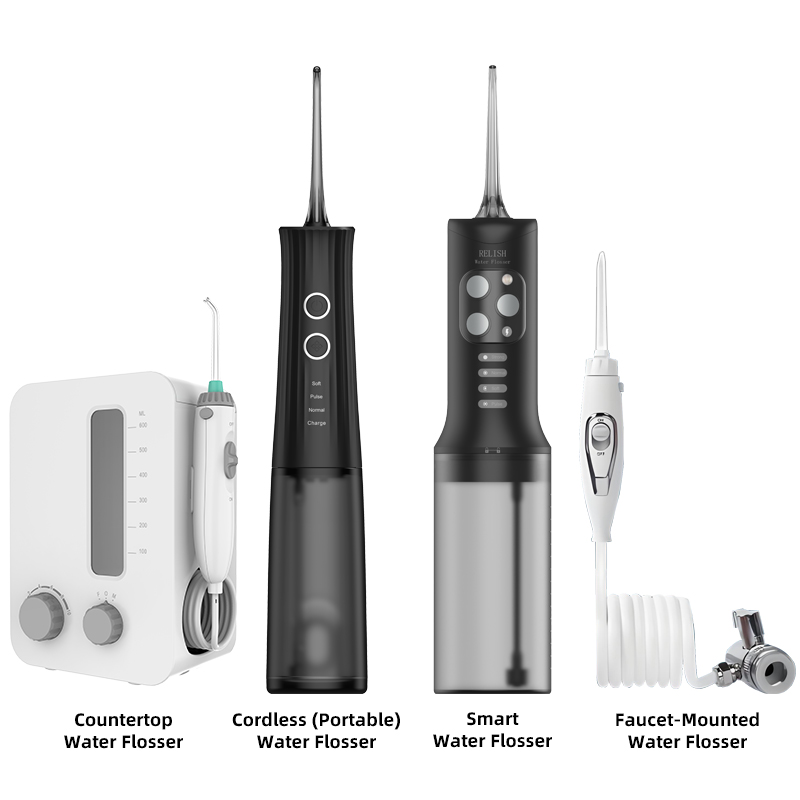
There are four main types of water flossers available today—each tailored to different lifestyles, needs, and performance expectations.
1. Countertop Water Flosser
The original and most powerful type, countertop models plug into a standard wall outlet and feature a large water reservoir (typically 600–900ml). They deliver stable high-pressure output (up to 120 PSI) and are ideal for daily home use.
Best for: Families, users with implants/bridges, or those prioritizing performance over portability.
2. Cordless (Portable) Water Flosser
Battery-powered and compact, cordless flossers are designed for travel, office use, or on-the-go convenience. Reservoirs range from 150–300ml, with pressure typically between 30–90 PSI.
Most support USB-C or magnetic charging and fit easily in a toiletry bag. While slightly less powerful than countertop models, modern versions offer impressive performance for their size.
Best for: Travelers, students, gym-goers, and subscription box brands.
3. Faucet-Mounted Water Flosser
This eco-friendly option connects directly to your sink faucet, using household water pressure instead of a pump or battery. No reservoir needed—just turn on the tap and adjust flow.
While convenient and zero-waste, it offers limited pressure control and is less effective for deep gumline cleaning.
Best for: Budget-conscious users or temporary solutions.
4. Smart Water Flosser
The next generation of oral care, smart flossers integrate Bluetooth connectivity, app tracking, usage analytics, and AI-driven cleaning recommendations. Some even sync with electric toothbrushes for a unified oral routine.
Features may include: mode memory, auto shut-off, low-water alerts, and personalized pressure profiles.
Best for: Tech-savvy consumers, premium private-label brands, and DTC startups.
Modern water flossers go far beyond basic water jets. Here are the essential features that define performance, safety, and user experience.
1. Adjustable Pressure Settings
Most models offer 3–10 pressure levels (e.g., 30–120 PSI), allowing users to start gentle and increase intensity over time. Critical for sensitive gums or post-surgical care.
2. Multiple Cleaning Modes
Beyond pressure, advanced units include programmable modes:
Normal: Everyday cleaning
Gentle: For beginners or sensitive gums
Deep Clean: High-pulse mode for stubborn debris
Ortho Mode: Optimized for braces, wires, and aligners
Gum Massage: Stimulates blood flow to improve gum health
3. Pulse Frequency Control
Measured in pulses per minute (PPM), frequency affects cleaning efficacy. Standard range: 1,200–1,800 PPM. Higher frequencies create stronger fluid dynamics for interdental cleaning.
4. Waterproof Rating (IPX7/IPX8)
Essential for safety. IPX7 means the device can be submerged in 1 meter of water for 30 minutes without damage—critical for bathroom use.
5. Auto Shut-Off & Safety Features
Prevents dry-run damage and overheating. Includes:
2-minute auto timer
Low-water detection
Child-lock function
Travel lock (disables accidental activation)
6. Interchangeable Nozzles
Different tips serve different needs:
Standard Jet Tip: General cleaning
Orthodontic Tip: For braces and brackets
Periodontal Tip: For deep gum pockets
Tongue Cleaner: Dual-function hygiene
Nasal Irrigator: Multi-use wellness (in select models)
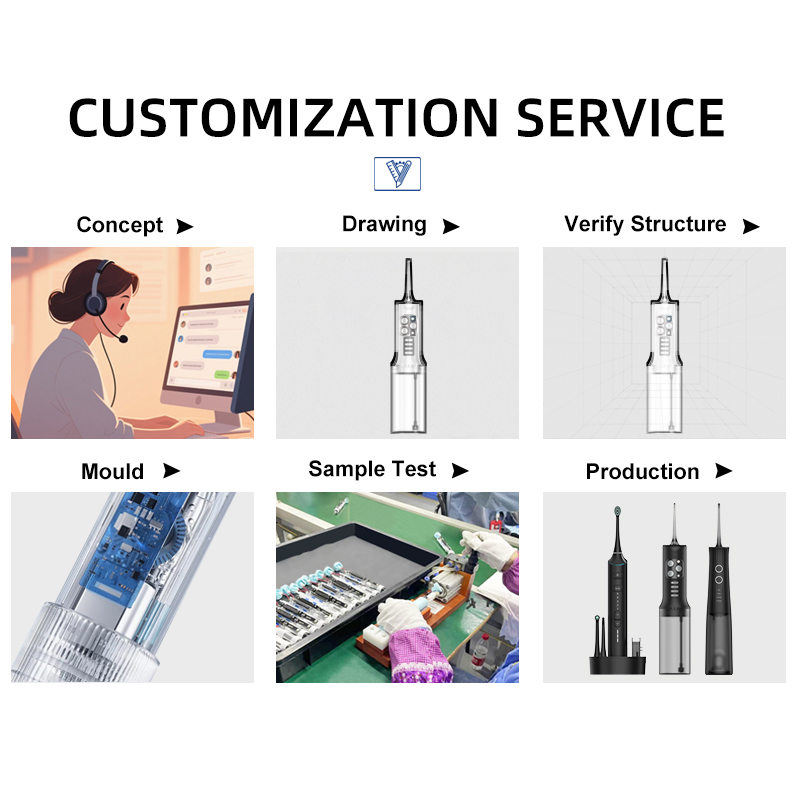
Producing a reliable, high-performance water flosser requires precision engineering across mechanical, electrical, and fluid systems.
1. Design Phase
This stage defines the product’s identity:
Form factor (countertop vs. cordless)
Target user (traveler, ortho patient, senior)
Ergonomic grip angle and button placement
Aesthetic direction (color, texture, brand alignment)
A well-thought-out design prevents costly retooling later.
2. Housing Production
The outer shell is injection-molded from food-grade ABS/PC, ensuring durability, chemical resistance, and body-safe contact. Seams must be watertight to maintain IPX7 integrity.
3. Internal Assembly: Pump, Motor & Electronics
The heart of the device:
Brushless DC motor drives a micro-diaphragm or piston pump
Control PCB manages modes, timers, and safety logic
Rechargeable lithium battery (for cordless models)
Waterproof connectors and sealed chambers protect electronics
All components are pre-tested before final assembly.
4. Nozzle & Reservoir Integration
Nozzles are made from medical-grade DuPont™ polymers, ensuring flexibility and biocompatibility. The water tank is designed for easy filling, leak-proof sealing, and clear visibility.
5. Packaging & Final Kit Assembly
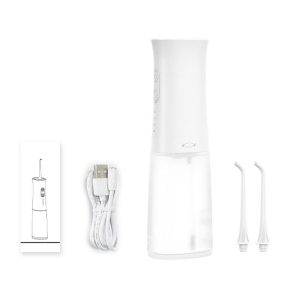
Includes: device, nozzles (2–4 pcs), charging cable/base, travel case (optional), and multilingual manual. Packaging is engineered for retail appeal and drop-test resilience.
Every unit undergoes rigorous multi-stage testing before shipment:
1. Label & Marking Durability
Labels wiped with water and isopropyl alcohol for 15 seconds—must remain legible.
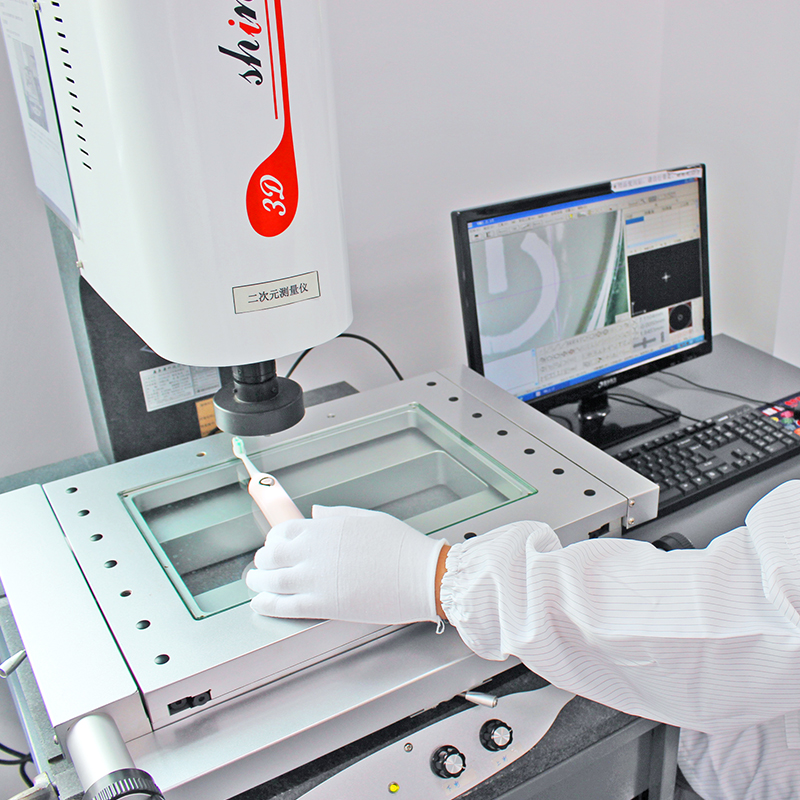
2. Visual & Dimensional Inspection
Checks for color consistency, surface defects, mold lines, and correct nozzle fit.
3. Functional Testing
Power-on response
Mode switching accuracy
Timer and auto shut-off
Pressure consistency across settings
4. Waterproof Test (IPX7)
Submerged in 1m water for 30 minutes—no water ingress allowed.
5. Electrical Safety Compliance
Certified to:
IEC 60335-1 / GB 4706.1 (household appliance safety)
FCC, CE, RoHS, ISO 13485 (for medical-grade claims)
6. Noise Test
Cordless models: ≤ 65 dB(A)
Countertop models: ≤ 70 dB(A)
Ensures quiet operation in shared spaces.
7. Drop Test
Packaged drop: 0.8m height, 6 sides – simulates shipping
Bare-unit drop: 1m onto hardwood – tests real-world durability
No functional failure or leakage permitted.
Why This Matters for Your Brand
At Relish, we don’t just manufacture water flossers—we engineer trust. With full control over design, tooling, certification, and QC, we help you launch products that perform, comply, and convert.
Whether you’re testing a private-label concept or scaling for global retail, we’re your end-to-end partner in oral care innovation.