











Czy szczoteczka elektryczna może powodować nadwrażliwość zębów?
If your teeth feel sensitive after changing brushes, it is reasonable to ask: can electric toothbrushes cause tooth sensitivity? The timing alone does not identify the cause. Sensitivity can arise from exposed dentin, decay, cracks, gum recession or other factors. Brushing pressure and the selected head may also play a role. A soft head and gentle technique can help you adjust your routine; persistent, worsening or localized pain needs a dental assessment. When choosing an electric toothbrush, consider its head, settings and instructions alongside your dental needs.
- Tooth sensitivity has several possible causes; symptoms after a brush change do not establish the cause.
- Excessive brushing pressure and hard bristles may contribute to enamel wear or gum irritation.
- A pressure sensor, lower-intensity setting, or soft head may support a gentler routine, depending on the model and user.
- Ostry lub nieustępujący ból może wskazywać na próchnicę, pęknięcie zęba albo chorobę dziąseł — skonsultuj się wtedy z dentystą.
Tworzysz linię szczoteczek z trybem dla wrażliwych zębów? Poznaj możliwości marki własnej →
Co naprawdę powoduje nadwrażliwość zębów
Enamel covers the crown of a tooth; cementum protects the root below the gumline. Dentin lies beneath both and contains microscopic tubules that communicate with the pulp at the tooth’s center. When dentin loses its protective covering, temperature changes or certain foods can stimulate sensitive structures in the tooth. Exposed dentin is one possible explanation for sensitivity, but it is not the only cause.
Hot, cold, sweet, or acidic foods can trigger a brief pain response when dentin is exposed. The American Dental Association (ADA) describes sensitivity in connection with exposed dentin and lists several possible causes. A 2025 review discusses proposed mechanisms of dentin hypersensitivity; it does not show that brushing force is the only factor.
Several Factors Can Contribute to Sensitivity
Sensitivity can have more than one cause. The Cleveland Clinic lists factors including acidic foods, brushing too hard, cracked teeth, gum disease, gum recession, grinding, and whitening products. A powered brush may be relevant if pressure or the selected head contributes, but symptoms alone do not identify the cause.
Czy szczoteczki elektryczne bezpośrednio powodują nadwrażliwość?
Evidence about a specific powered toothbrush and outcome should not be generalized to every model or user. A 2016 three-year randomized study compared one powered brush with an ADA reference manual brush in healthy adults with pre-existing gingival recession. Recession decreased from baseline in both groups, with no significant difference between groups. The study measured recession, not tooth sensitivity, and does not establish that all powered brushes are harmless in every circumstance.
Brushing pressure and bristle characteristics may be among the factors that contribute to enamel wear or gum irritation. Tooth sensitivity can also arise from causes unrelated to brushing, so the symptom alone cannot identify a specific mechanism.
A new sensation after switching to a powered electric toothbrush does not by itself show whether the brush caused new damage or whether an existing condition became noticeable. Check the brush-head instructions and use a light touch. If sensitivity continues, worsens, or is localized to one tooth, ask a dentist to assess it.
Brushing Pressure and Bristle Choice
If sensitivity appears after switching to a powered brush, consider both brushing technique and other possible causes. The Cleveland Clinic notes that too much pressure or a hard toothbrush can wear enamel and contribute to gum recession. Other causes can include decay, cracks, gum disease, and acidic foods.
- Pressing down hard. Excessive pressure can irritate gums and contribute to enamel wear. A powered brush should be used according to its instructions with a light touch.
- Hard or medium bristles. Bristle firmness is one factor to consider; many dental-care recommendations favor soft bristles. Ask a dentist which head is appropriate for your teeth and gums.
- Old, splayed brush heads. Worn or frayed bristles may not clean as intended. Replace the head according to the manufacturer’s instructions. Our guide on how often to change a toothbrush head covers the signs.
- Whitening toothpaste. Formulations differ, and the label alone does not establish abrasivity. If sensitivity is a concern, discuss toothpaste choice with your dentist.
- Brushing after acidic food or drink. Acid can temporarily soften enamel. ADA guidance recommends waiting about an hour before brushing after acidic food or drink; you can rinse with water in the meantime.
These examples show why sensitivity after a brush change should not automatically be attributed to the motor or dismissed as harmless. Consider technique and other causes, and ask a dentist about persistent symptoms.
Electric Toothbrush Features to Consider
A powered electric toothbrush may suit some people with sensitive teeth when used with a soft head and gentle technique. A pressure sensor or lower-intensity mode can offer additional feedback or settings on models that include them, but these features do not diagnose the cause of sensitivity or guarantee a comfortable result.
Comparing Brush Features
A pressure sensor may alert you when you exceed a model-specific threshold. Check how the feature works and use it as feedback, not as a diagnosis or guarantee against sensitivity. You can learn more about these features in our guide to electric toothbrush features.
Selected Relish powered-brush models use a servo motor with a nominal output of 31,000 VPM, and the factory records a motor-frequency consistency check for each unit. These are product and production specifications; they do not establish clinical comfort or suitability for every user.
Jak szczotkować wrażliwe zęby
Use the technique recommended for your brush and dental needs. The following points can help you discuss changes to your routine:
Delikatna rutyna krok po kroku
- Choose a soft or extra-soft head if appropriate. Soft bristles are commonly recommended, but a dentist can advise based on your teeth and gums.
- Use gentle technique. Follow the brush instructions and your dentist’s advice; avoid scrubbing or pressing hard.
- Keep a light grip. If brushing causes soreness, stop and ask a dental professional whether your technique or equipment should change.
- Po kwaśnym posiłku lub napoju odczekaj około godziny przed szczotkowaniem zębów. W międzyczasie możesz przepłukać usta wodą.
- Ask about desensitizing toothpaste and fluoride. Some products may help reduce sensitivity; follow the product label or your dentist’s advice.
Czysta końcówka szczoteczki ma także znaczenie dla zdrowia dziąseł. W naszym poradniku jak czyścić końcówkę szczoteczki elektrycznej opisujemy codzienną pielęgnację.
Kiedy nadwrażliwość może mieć inną przyczynę
Nie każde ukłucie wiąże się z nawykami podczas szczotkowania. Nadwrażliwość może być także objawem próchnicy, pęknięcia zęba, zużytego wypełnienia lub choroby dziąseł. Jeśli ból jest ostry, trwa dłużej niż kilka sekund albo dotyczy jednego konkretnego zęba, warto zgłosić się na badanie stomatologiczne zamiast zmieniać szczoteczkę. ADA wskazuje, że o zastosowaniu pasty na nadwrażliwość, żelu z fluorem, odbudowy kompozytowej, przeszczepu dziąsła czy leczenia kanałowego decyduje rozpoznanie rzeczywistej przyczyny. Dentysta może ocenić, czy nadwrażliwość ma typowy przebieg, czy wymaga dalszej diagnostyki.
Dla marek: funkcje dla wrażliwych zębów w ofercie OEM
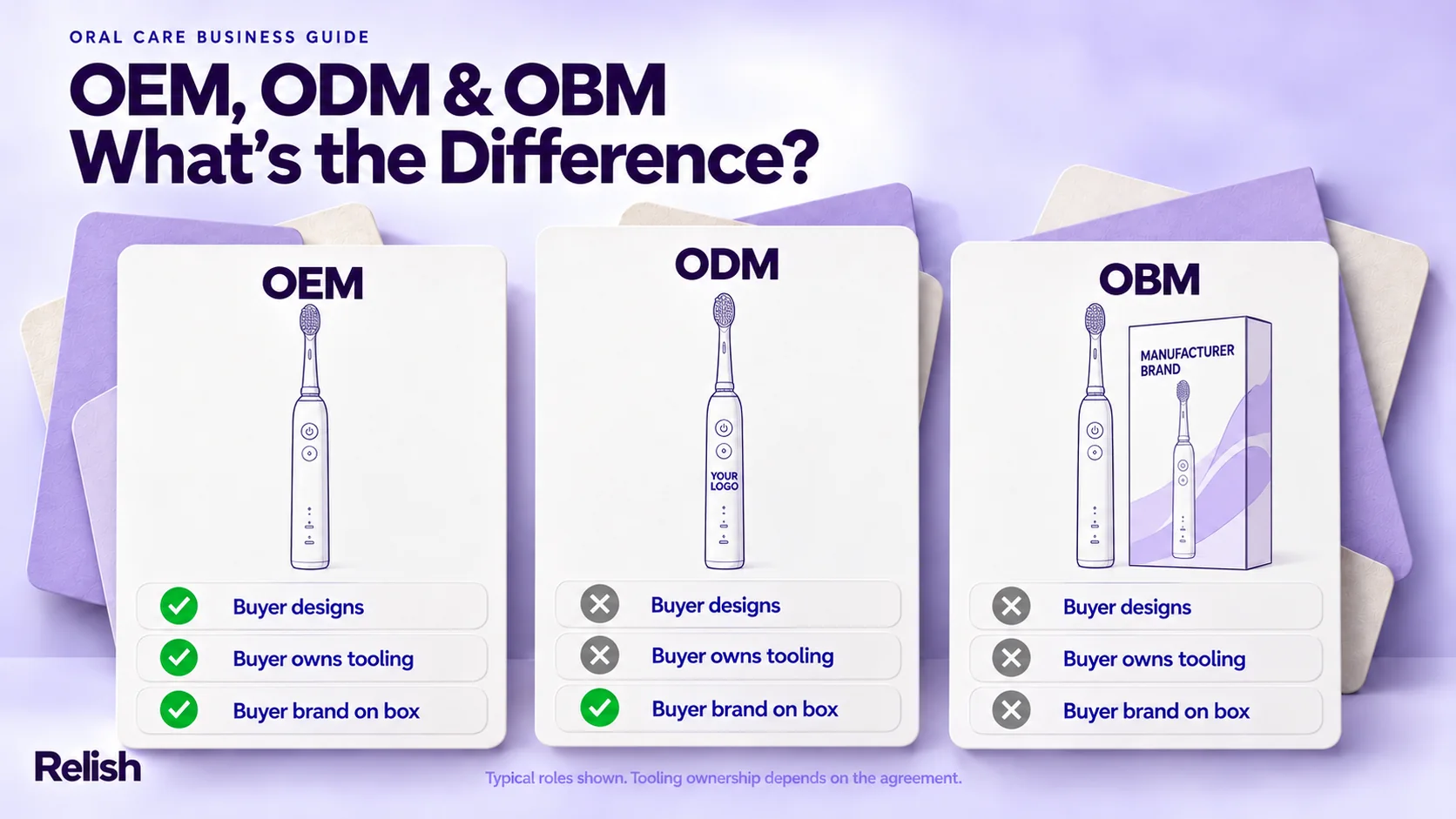
For OEM and private-label buyers, some shoppers look for soft heads, lower-intensity settings, and pressure feedback. These features can be described accurately in a product listing when they are available on the selected model; avoid implying that they prevent or treat tooth sensitivity.
- Explain the pressure feedback. Describe how the selected model alerts users, such as the pressure sensor electric toothbrush, and whether the alert uses vibration, light or another signal.
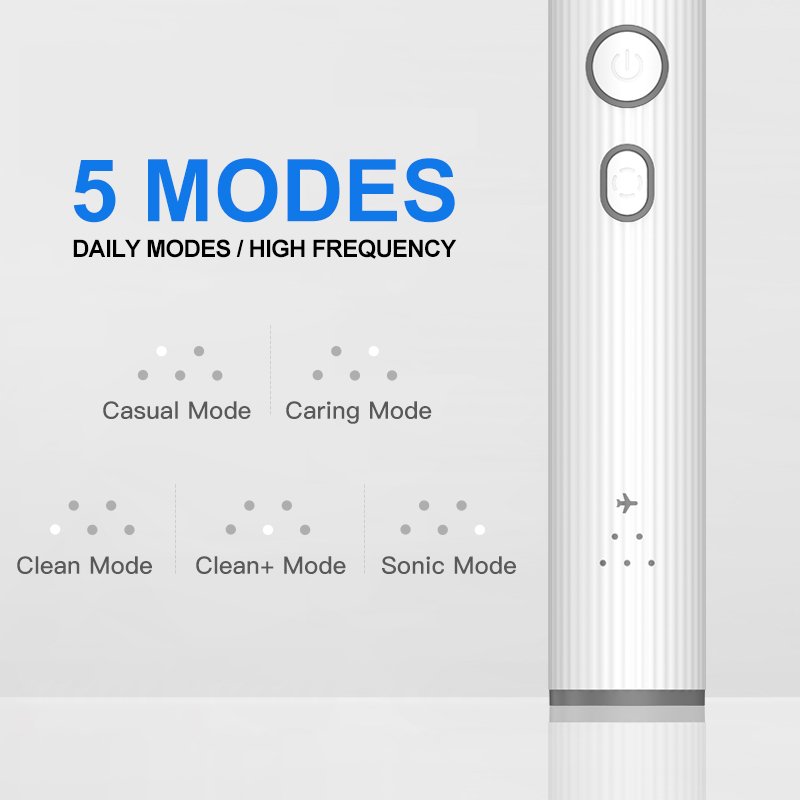
- Offer a dedicated sensitive mode. List the actual settings available on the selected model and explain how they differ. Mode names and intensity levels vary.
- Ship soft heads by default. Consider soft or extra-soft replacement heads that are compatible with the selected handle. Confirm the bristle specification and replacement instructions.
- Say it clearly in the listing. Use feature names that match the product: pressure feedback, available intensity modes and the specified bristle firmness. Avoid claims that the brush treats or prevents sensitivity.
The standard MOQ for customized products is 1,000 units; smaller orders may be discussed case by case. Sample timing and production schedules are confirmed for each project after product scope and specifications are agreed. The manufacturing facility holds ISO 9001 and ISO 13485 certifications with FDA establishment registration. Product-specific documentation for CE, RoHS, or FCC depends on the model and destination market and should be confirmed for the selected configuration.
The internal reliability-testing log records more than 450 test items over nine months. For selected powered-brush configurations, recorded checks include motor frequency against a factory specification of 30,000 ± 3,000 strokes per minute (around the 31,000 VPM nominal figure), running noise of ≤76 dB at 10 cm with the head fitted, and a 72-hour full-unit test with waterproofing rechecks every 24 hours. A 3.7 V lithium cell is tested at 0.5 C between 4.2 V and 3.0 V, with a ≥80% capacity-retention criterion at 300 cycles; a recorded 14500-cell test measured 98.6% of initial capacity. These results describe specified test samples and methods. They do not establish clinical gentleness or prove that brush performance remains unchanged throughout battery life. Ask for the report matching the model and test sample.
Customization options. Some specifications may be adapted within the platform’s engineering limits after feasibility, target volume, and tooling are reviewed. The table is an example of options to discuss, not a promise that every dimension can be changed.
Relish Tech manufactures sonic and rotating electric toothbrushes for private label brands. Pressure sensors, modes, replacement heads, and other options vary by model and agreed configuration. Browse the electric toothbrush catalog to review current products, or read our roundup of the best electric toothbrushes for sensitive teeth for the consumer angle.
Chcesz wprowadzić do katalogu szczoteczkę z czujnikiem nacisku? Skontaktuj się z Relish Tech →
Często zadawane pytania
Czy zmiana na szczoteczkę elektryczną może zwiększyć nadwrażliwość zębów?
Czy szczoteczka elektryczna jest odpowiednia dla osób z wrażliwymi zębami?
Czy do wrażliwych zębów potrzebne są specjalne główki?
Czy czujnik nacisku może zapobiec nadwrażliwości?
Czy mam przestać używać szczoteczki elektrycznej, jeśli bolą mnie zęby?
Który tryb szczoteczki elektrycznej jest najlepszy przy wrażliwych zębach?
Relish Tech supplies OEM/ODM electric toothbrushes with pressure feedback, intensity modes and replacement-head options that vary by model. Browse the digital product catalog, or request a spec sheet and a sample head to test for yourself.
Informacje o nadwrażliwości zębów opracowano na podstawie materiałów American Dental Association, Cleveland Clinic i recenzowanych badań nad nadwrażliwością zębiny. Nie zastępują one profesjonalnej porady stomatologicznej.
Źródła
- American Dental Association. (n.d.). Sensitive teeth. MouthHealthy. https://www.mouthhealthy.org/all-topics-a-z/sensitive-teeth/
- Cleveland Clinic. (n.d.). Sensitive teeth (dentin hypersensitivity). https://my.clevelandclinic.org/health/symptoms/10954-teeth-sensitivity
- Dörfer, C. E., Staehle, H. J., & Wolff, D. (2016). Three-year randomized study of manual and power toothbrush effects on pre-existing gingival recession. Journal of Clinical Periodontology, 43(6), 512–519. https://doi.org/10.1111/jcpe.12518
- Dai, T., Xie, X., Cao, M., Li, D., Cai, X., & Chen, J. (2025). Recent advances in the study of therapeutic materials and techniques for dentin hypersensitivity. Journal of Dentistry, 156, 105719. https://pubmed.ncbi.nlm.nih.gov/40147744/