










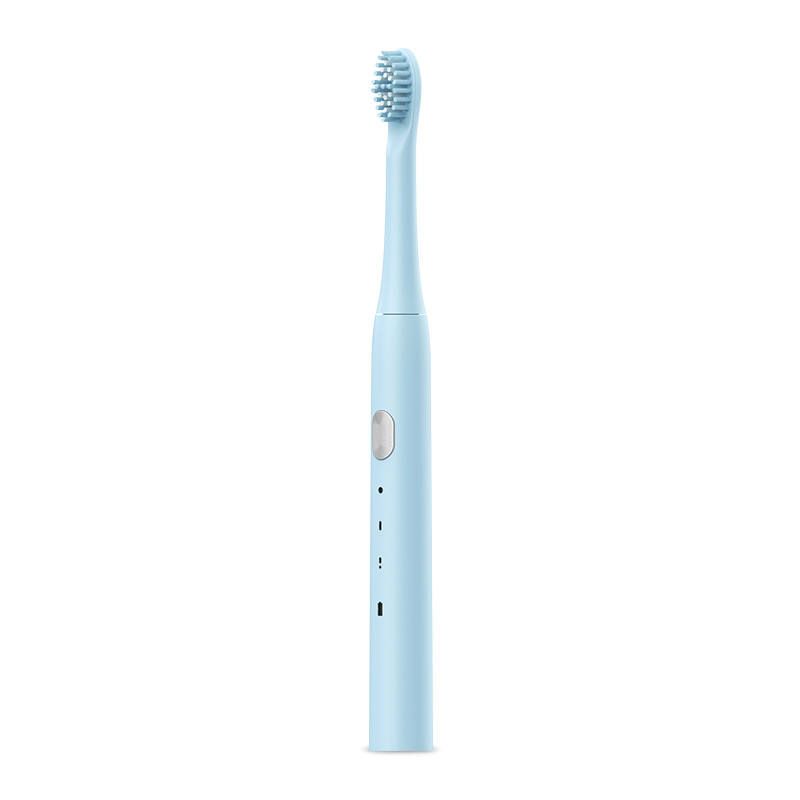
전동칫솔 헤드 세척 방법
전동칫솔 헤드를 올바르게 관리하는 방법은 어렵지 않습니다. 사용할 때마다 흐르는 물에 헹군 뒤 헤드를 세워 통풍이 잘되는 곳에서 말리세요. 추가 세척을 하려면 해당 칫솔 헤드와 세척 제품의 안내를 따르세요. 이 글에서는 일상 관리, 선택적 세척 방법, 칫솔 헤드를 손상시킬 수 있는 사용법을 설명합니다.
- 치약과 음식물 찌꺼기를 씻어내려면 사용 후 매번 전동칫솔 헤드를 흐르는 물에 헹구세요.
- 남은 물기를 털고 헤드를 세워 칫솔모가 완전히 마르도록 통풍이 잘되는 곳에 둡니다.
- 사용 후 헹구고 세워서 말리세요. 추가 세척은 해당 칫솔 헤드와 세척 제품의 안내에 따라서만 진행하세요.
- 전동칫솔 헤드를 전자레인지나 식기세척기로 세척하지 마세요. 열로 칫솔모가 손상될 수 있습니다.
- 젖은 칫솔 헤드를 밀폐 케이스나 덮개에 넣어 보관하지 마세요. 습기가 갇혀 세균이 증식하기 쉽습니다.
브랜드에 맞는 교체용 헤드를 찾고 계신가요? OEM 옵션 보기 →
칫솔 헤드 세척이 중요한 이유
칫솔 헤드는 하루 두 번 입안에 넣어 사용하는 작은 칫솔이므로 습기, 치약 잔여물, 세균이 묻을 수 있습니다. 미국치과협회(ADA)는 변기 물을 내릴 때 공기 중에 퍼진 분변성 대장균군을 포함한 세균이 칫솔에서 검출된 사례가 있다고 설명합니다. 한편 ADA는 건강한 사람 대부분에게 이런 세균이 건강상 악영향을 일으킨다는 근거는 없다고 밝힙니다.
목표는 멸균이 아니라 위생 관리입니다
칫솔 헤드를 세척하면 치약과 이물질을 제거하고 손잡이와의 연결 부위를 깨끗하게 유지하는 데 도움이 됩니다. 정기적으로 헹구고 말리며 칫솔모의 마모 상태를 확인하세요. 헤드는 보통 3~4개월마다 교체하고, 칫솔모가 뭉치거나 벌어지면 더 일찍 교체합니다.
전동칫솔 헤드 세척 방법: 매일 30초 루틴
매번 양치한 뒤 작은 습관 하나만 들이면 대부분의 관리가 저절로 해결됩니다.
- 헤드를 손잡이에서 분리합니다. 치약과 물이 고이는 연결 부위를 드러내 세척하기 쉽게 합니다.
- 칫솔모를 흐르는 물에 충분히 헹굽니다. 깨끗한 손가락으로 칫솔모 다발을 부드럽게 벌려, 칫솔모를 잡아당기지 않으면서 끼어 있는 치약과 이물질을 씻어냅니다.
- 헤드 밑부분도 헹굽니다. 칫솔 헤드가 손잡이에 끼워지는 곳은 잔여물이 쌓이기 쉬운 부분입니다.
- 남은 물기를 털어냅니다. 가볍게 몇 번 털면 대부분의 물기를 제거할 수 있습니다.
- 헤드를 세워 보관합니다. 칫솔모가 위를 향하도록 세우고 덮개 없이 통풍이 잘되는 곳에 두어 다음 사용 전까지 완전히 말립니다.
이 루틴은 약 30초면 끝나며, 추가 세척 사이에도 칫솔 헤드를 깨끗하게 유지하는 데 도움이 됩니다. 전동칫솔을 처음 사용하는 분은 관리와 양치 방법을 함께 설명하는 전동칫솔 작동 원리 가이드를 참고하세요.
전동칫솔 헤드의 추가 세척 방법
ADA가 인용한 한 연구는 실험실 조건에서 칫솔을 3% 과산화수소 또는 Listerine에 담갔을 때 세균량이 약 85% 감소했다고 보고했습니다. 이는 임상적 이점을 입증하지 않으며 모든 전동칫솔 헤드를 매주 담가야 한다는 뜻도 아닙니다.
선택적 담금 세척: 제품 안내를 따르세요
딥클리닝은 다음 순서로 진행하세요.
- 새 세척액을 준비하세요. 제품 안내에서 허용하는 경우 깨끗한 컵에 3% 과산화수소 또는 Listerine을 담으세요.
- 칫솔모가 아래를 향하도록 헤드를 액체에 넣습니다.
- 지정된 담금 시간을 따르세요. 칫솔 헤드와 세척 제품의 안내에 명시된 시간을 따르세요.
- 그런 다음 흐르는 물에 충분히 헹굽니다.
- 물기를 털고 세워서 자연 건조합니다.
두 가지 주의사항이 있습니다. 담글 때마다 새 세척액을 사용하고, 여러 칫솔 헤드를 같은 액체에 함께 담그지 마세요. 헤드 사이에 세균이 옮을 수 있습니다. 담근 뒤에는 칫솔모에 세척액이 남지 않도록 충분히 헹구세요.
칫솔 헤드 세척 시 하지 말아야 할 것
일부 세척 방법은 헤드를 손상시키거나 위생 상태를 해칠 수 있습니다. 미국치과협회(ADA)는 전자레인지나 식기세척기를 사용하지 말라고 권고합니다. 아래 표에서 피해야 할 방법을 확인하세요.
살균기를 사용하고 싶다면
칫솔 살균기를 선택한다면 ADA는 미국 식품의약국(FDA) 허가를 받은 제품을 확인하라고 안내합니다. 면역 기능이 저하된 사람은 살균기가 자신에게 적합하다고 단정하지 말고 담당 의료진에게 적절한 관리 방법을 상담하세요.
손잡이와 충전 베이스 청소하기
헤드뿐 아니라 손잡이와 충전 베이스에도 시간이 지나면서 잔여물이 쌓입니다. 이 부위를 깨끗하게 관리하면 칫솔 헤드가 제대로 장착되고 칫솔이 설계된 대로 작동하는 데 도움이 됩니다.
- 손잡이를 닦습니다. 사용 후 매번 젖은 천으로 닦으세요. 대부분의 전동칫솔 손잡이는 생활 방수 기능이 있지만, 손잡이 전체를 수돗물에 헹구기 전에는 해당 모델의 설명서를 확인하세요. 전동칫솔 방수 여부 가이드에서 IPX7 등급이 실제로 의미하는 범위를 설명합니다.
- 충전기에 다시 올려놓기 전에 손잡이를 말립니다.
- 충전 베이스를 청소하기 전에 전원 플러그를 뽑고 마른 천이나 살짝 젖은 천으로 닦으세요.
- 헤드가 연결되는 손잡이 윗부분을 확인합니다. 작은 브러시나 면봉으로 굳은 치약을 제거하면 헤드가 제대로 끼워집니다.
전동칫솔과 일반 칫솔의 관리 차이는 전동칫솔과 일반 칫솔 비교 가이드를 참고하세요.
칫솔 헤드는 칫솔모가 닿는 표면을 세척합니다. 치아 브리지 아래나 임플란트 보철물 주변은 치실과 치실 끼우개, 치간칫솔 또는 구강세정기로 추가 세척이 필요할 수 있습니다. 보철물 상태와 치과 전문가의 조언에 맞는 방법을 선택하세요. 브리지 관리 방법은 브리지용 구강세정기 가이드에서 확인할 수 있습니다.
브랜드를 위한 팁: 청결을 유지하는 헤드 설계
OEM 및 자체 브랜드 구매 담당자에게 명확한 세척 안내는 제품 경험을 뒷받침합니다. 헤드가 얼마나 잘 헹궈지는지는 설계에 따라 다르며, 연결 부위에 치약이 남으면 관리 문제와 고객 불만으로 이어질 수 있습니다. 받침대 설계를 개선하면 일상 관리가 더 쉬워집니다.
- 헹구기 쉬운 연결부를 설계하세요. 매끄럽고 개방된 받침대는 연결 부위를 쉽게 헹구게 하고 헤드와 손잡이가 맞닿는 곳의 잔여물을 줄이는 데 도움이 됩니다.
- 벌어짐을 억제하는 칫솔모를 지정하세요. 용도에 맞는 필라멘트 소재, 칫솔모 다발 배열, 고정력 기준을 선택하고 시험으로 형태 유지 여부를 확인하세요. 둥근 끝 가공과 다발 밀도는 별개의 사양이며, 밀도만으로 내구성을 입증할 수는 없습니다.
- 한 페이지 분량의 관리 안내 카드를 동봉하세요. 일상적인 헹굼과 세워서 말리는 방법을 제품별 선택 세척 안내와 구분해 설명하면 구매자가 헤드를 올바르게 관리할 수 있습니다.
- 헤드 제품군을 단순하게 구성합니다. 종류를 간결하게 구성하고 호환 정보를 명확히 표시한 교체용 헤드 라인업은 소비자가 맞는 제품을 쉽게 찾도록 도와줍니다.
당사 헤드에는 실리콘 칫솔모 또는 DuPont 나일론 칫솔모를 적용할 수 있으며, 나일론 필라멘트의 직경은 5 mil(0.127 mm)입니다. 식품 접촉 소재에 대한 LFGB 보고서와 SGS 멸균 시험 기록을 공급 검토 자료로 제공할 수 있습니다. 제품을 대상 시장에 맞춰 평가할 때 각 문서의 적용 모델, 소재 및 시험 범위를 확인하세요.
교체용 헤드와 구강세정기 노즐을 포함한 맞춤 제품은 일반적으로 1,000개부터 시작하며 주문에 따라 유연하게 조정할 수 있습니다. 재고 제품 도매 주문은 50개부터 가능합니다. 샘플은 3~7일 내 발송하고, 양산은 승인 후 25~35일이 걸립니다. 공장은 ISO 9001 및 ISO 13485 인증과 FDA 시설 등록을 보유하고 있으며, 제품 및 대상 시장에 해당하는 경우 CE, RoHS, FCC 관련 문서를 제공합니다.
당사 신뢰성 시험실은 9개월 동안 450개가 넘는 시험 항목을 기록했습니다. 칫솔 헤드 시험 프로그램에는 칫솔모 다발당 최소 1.5 kgf의 유지력 시험, GB 39669-2020에 따른 칫솔모판 전체 최소 50 N 시험, 수돗물·치약 슬러리·구강청결제에 72시간 침지하는 시험이 포함됩니다. 결합과 헹굼을 위한 헤드와 손잡이 사이 지정 간격은 0.3~0.9 mm입니다. 파괴 인장 시험은 샘플을 대상으로 진행하며, 모든 헤드는 포장 전 최종 검사를 거칩니다. 요청 시 보고서를 제공할 수 있습니다.
맞춤 제작 옵션. 헤드가 얼마나 잘 헹궈지는지는 형태와 소재에 좌우되며, 두 요소 모두 맞춤 설정할 수 있습니다. 생산 수량과 금형을 합의한 뒤 밑부분, 칫솔모, 포장을 구매자의 요구에 맞게 다시 설계할 수 있으므로 아래 표는 시작점이지 한계가 아닙니다.
Relish Tech는 헹굼이 쉬운 헤드 설계, 호환성을 확인한 연결부, 낮은 MOQ를 갖춘 전동칫솔과 교체용 헤드를 OEM/ODM 및 자체 브랜드용으로 제조합니다. 헤드 교체 시기가 되면 칫솔 헤드 교체 주기 가이드를 참고하세요.
구강 관리 제품군에 맞는 교체용 헤드가 필요하신가요? Relish Tech에 문의하기 →
자주 묻는 질문
전동칫솔 헤드를 식기세척기에 넣어도 되나요?
전동칫솔 헤드를 소독하려면 어떻게 해야 하나요?
칫솔 헤드는 얼마나 자주 깊이 세척해야 하나요?
칫솔 헤드를 세척할 때 비누를 사용해도 되나요?
칫솔 헤드를 구강청결제에 담가도 되나요?
자외선 칫솔 살균기가 필요한가요?
Relish Tech는 맞춤형 교체 알림모와 완전한 호환성 테스트를 갖춘 OEM/ODM 전동칫솔 및 교체용 헤드를 공급합니다. 디지털 제품 카탈로그를 열거나, 사양서와 평가용 샘플 헤드를 요청하세요.
이 구강 관리 안내는 미국치과협회 권고와 일반적인 구강 위생 관리 원칙을 바탕으로 정리했습니다. 전문적인 치과 상담을 대신하지 않습니다.
참고 자료
- American Dental Association. (n.d.). Toothbrushes. https://www.ada.org/resources/ada-library/oral-health-topics/toothbrushes
- Beneduce, C., Baxter, K. A., Bowman, J., Haines, M., & Andreana, S. (2010). Germicidal activity of antimicrobials and VIOlight Personal Travel Toothbrush sanitizer: an in vitro study. Journal of Dentistry, 38(8), 621–625.