Cepillo de dientes eléctrico
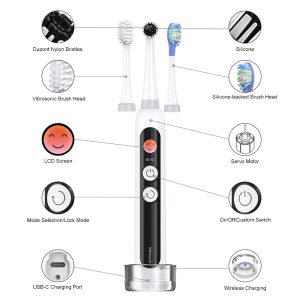
VS0560B
The World's First 3-in-1 Spinsonic Electric Toothbrush OEM/ODM – Model VS0560B Combine the plaque-removing power of rotation with the gentle...
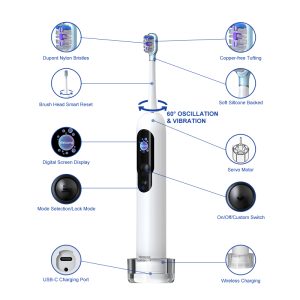
Cepillo de dientes Vibrosonic personalizado con pantalla LCD inteligente (Gen 3) - Modelo OEM/ODM VS0360B
Redefine oral care for your brand. Combining a revolutionary 60° oscillation range with a smart LCD display, this next-generation vibrosonic...
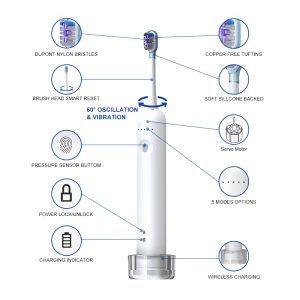
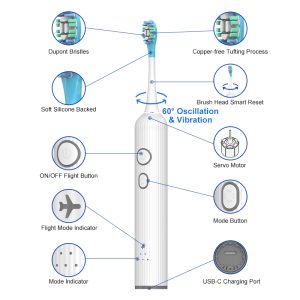
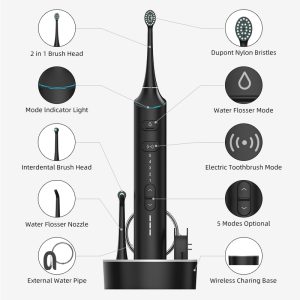
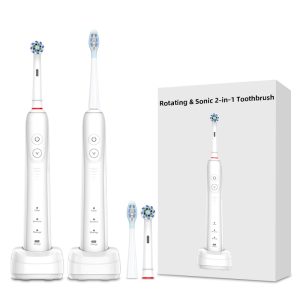
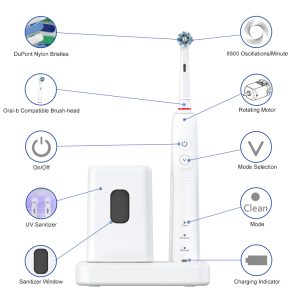
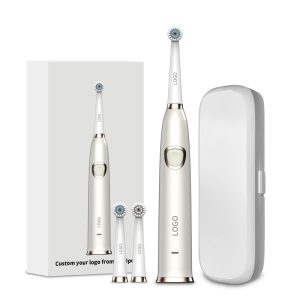
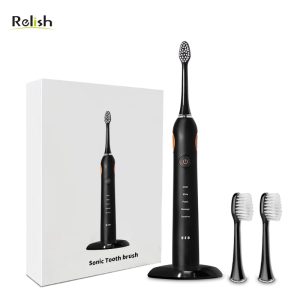
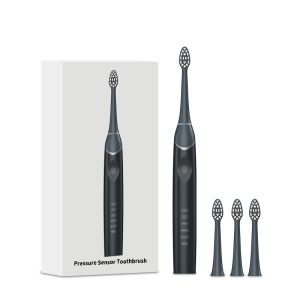
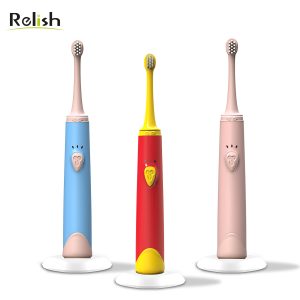
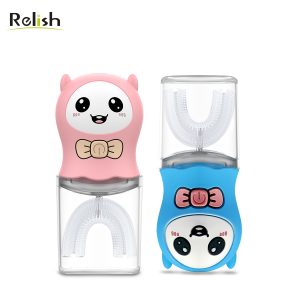
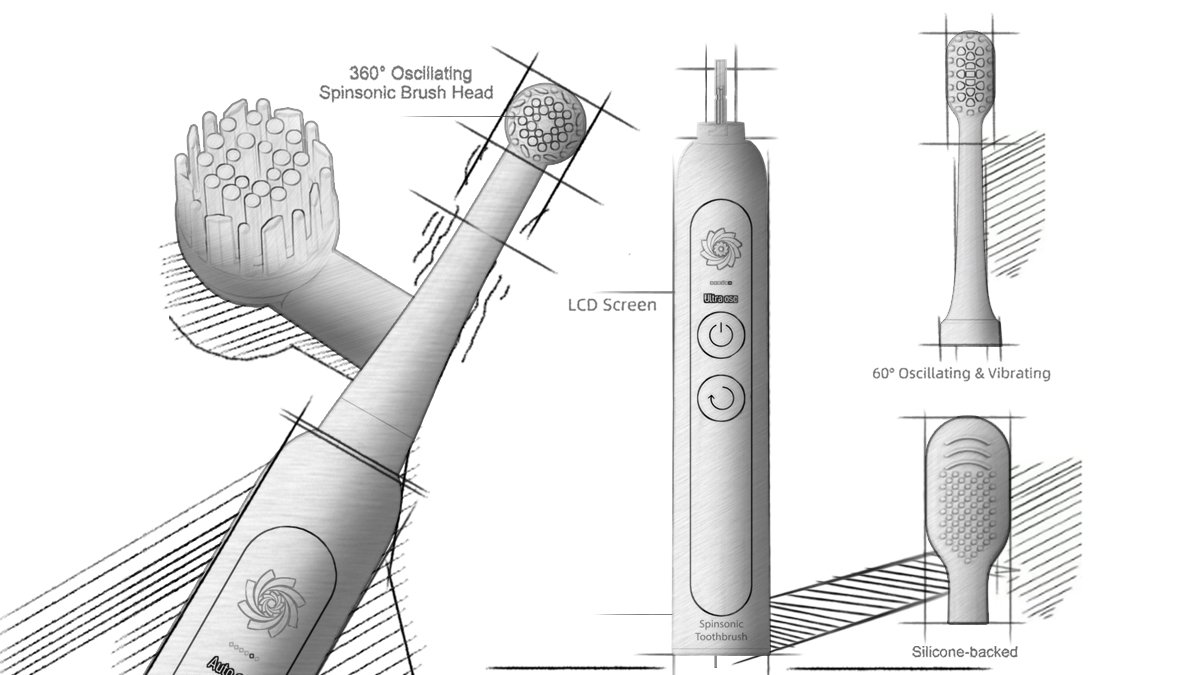
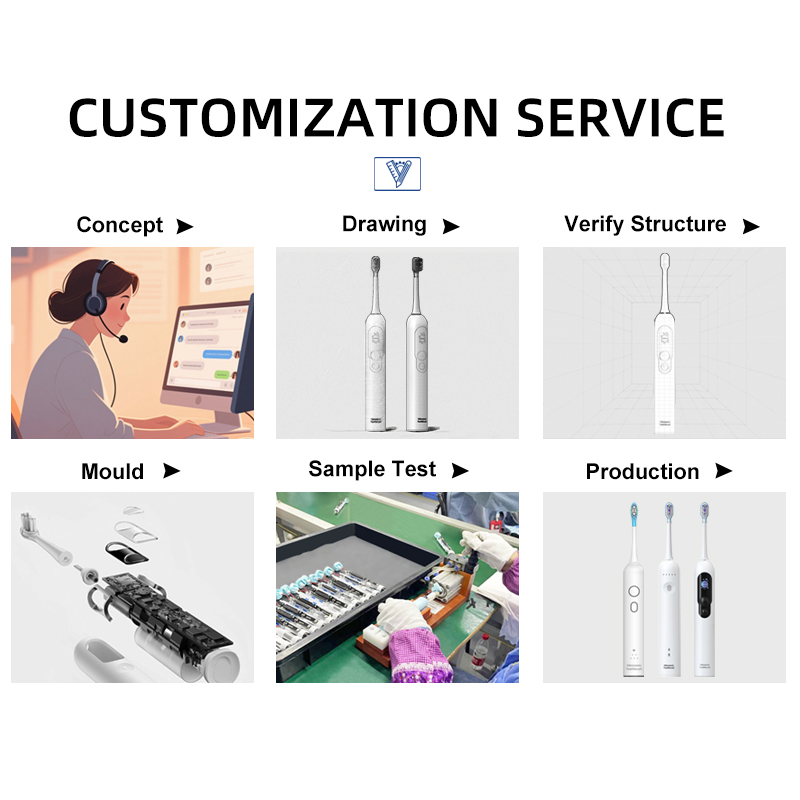
Custom Toothbrush Shape
In-house CAD/CAM design and precision molding for unique private-label body shapes.
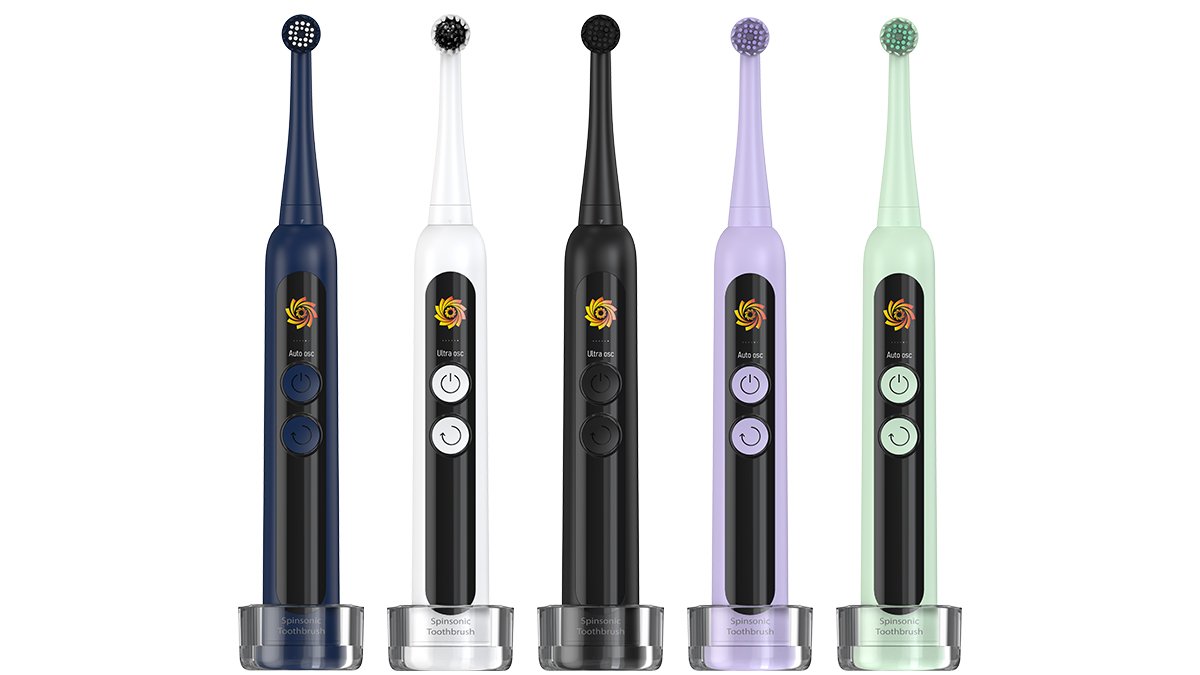
Custom Body Colors
Full PANTONE color matching, logo printing, injection coloring, and surface finishing options.
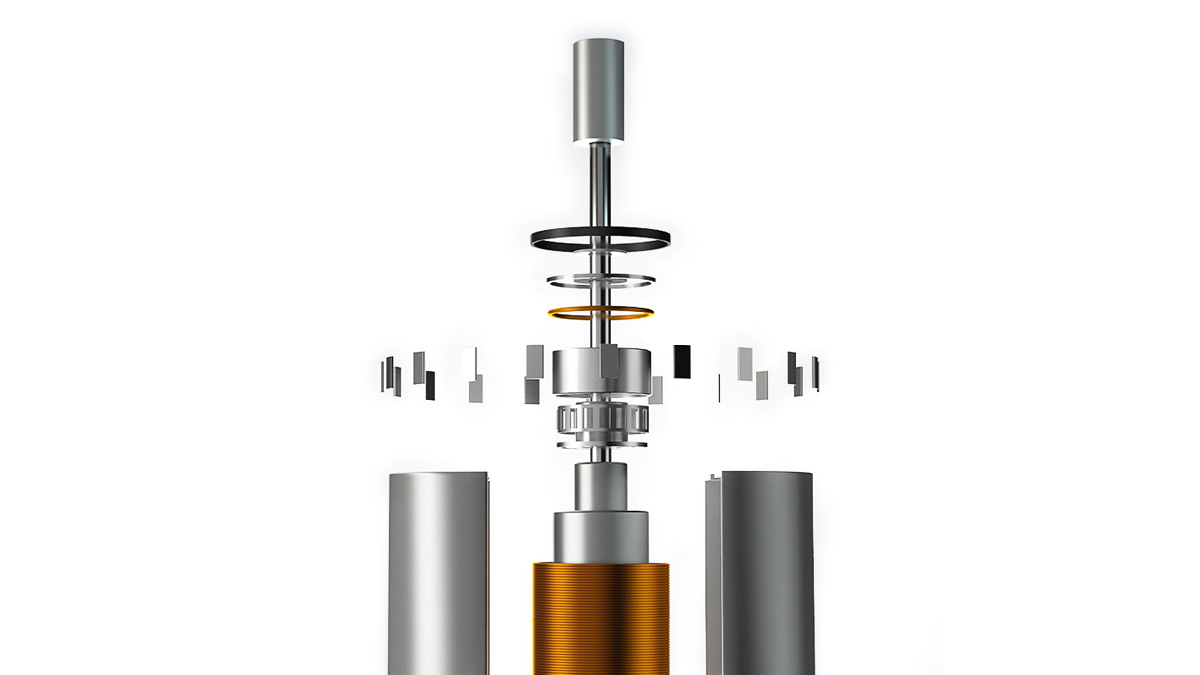
Custom Motor Options
Magnetic levitation motors, brushed DC motors, servo sweep-frequency motors, and sonic motors—engineered for different market needs.
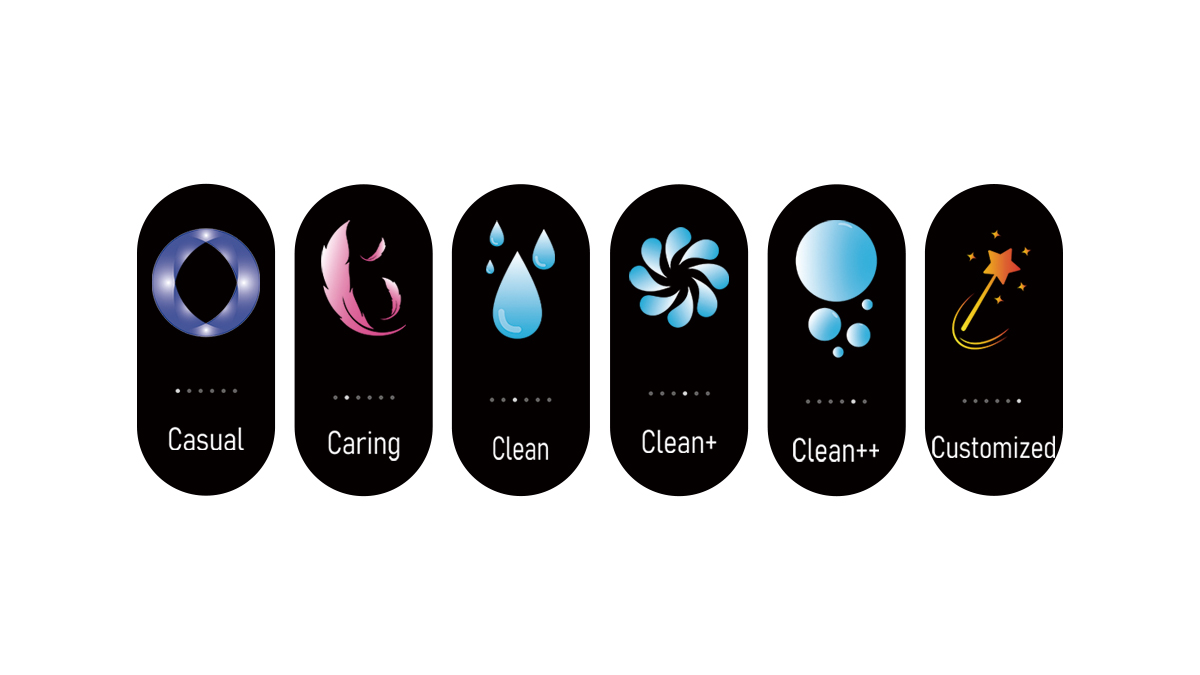
Custom Brushing Modes
Daily Clean, Sensitive, Whitening, Gum Care, or fully programmable brushing modes tailored to your brand.
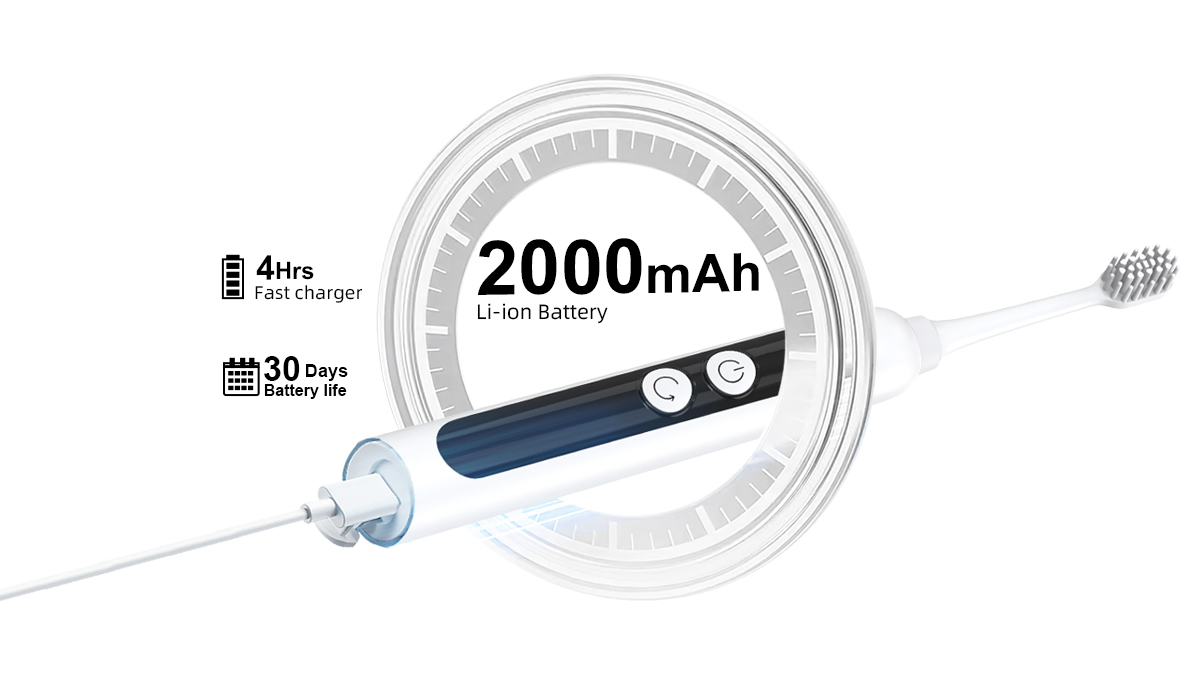
Custom Charging & Battery
Rechargeable batteries, inductive charging, conductive charging, USB charging, or replaceable battery structures.
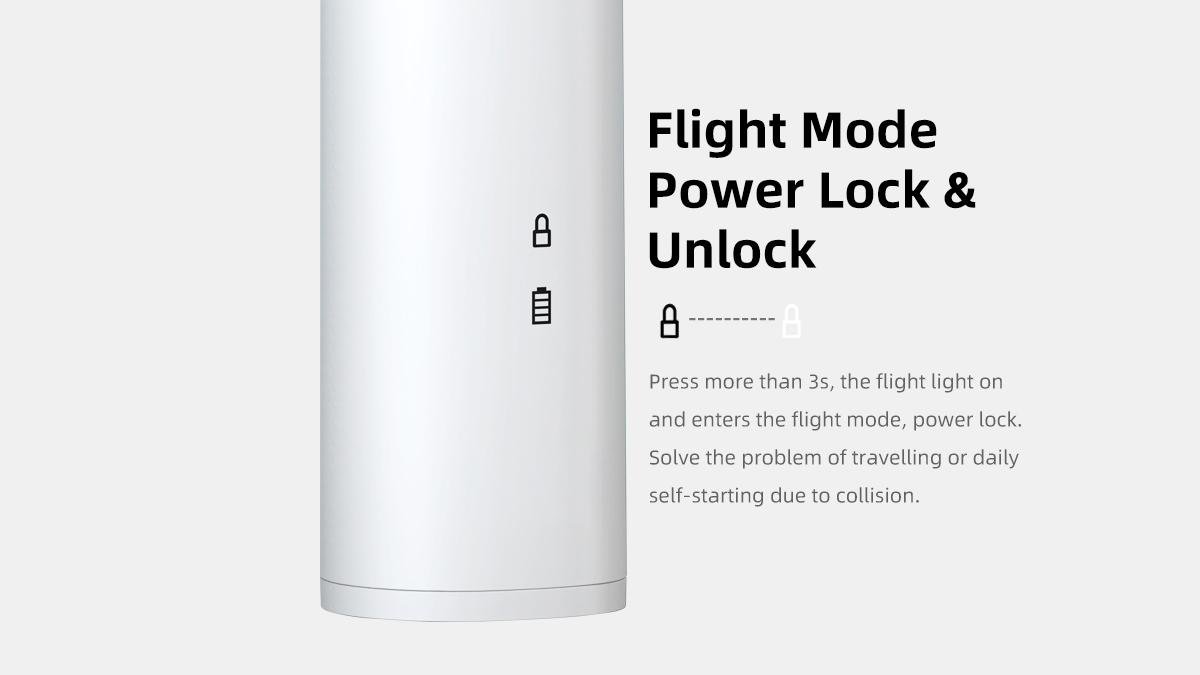
Advanced Smart Features
IPX8 waterproofing, pressure sensing, travel-safe mode, smart brush head recognition, and automatic reset functions.
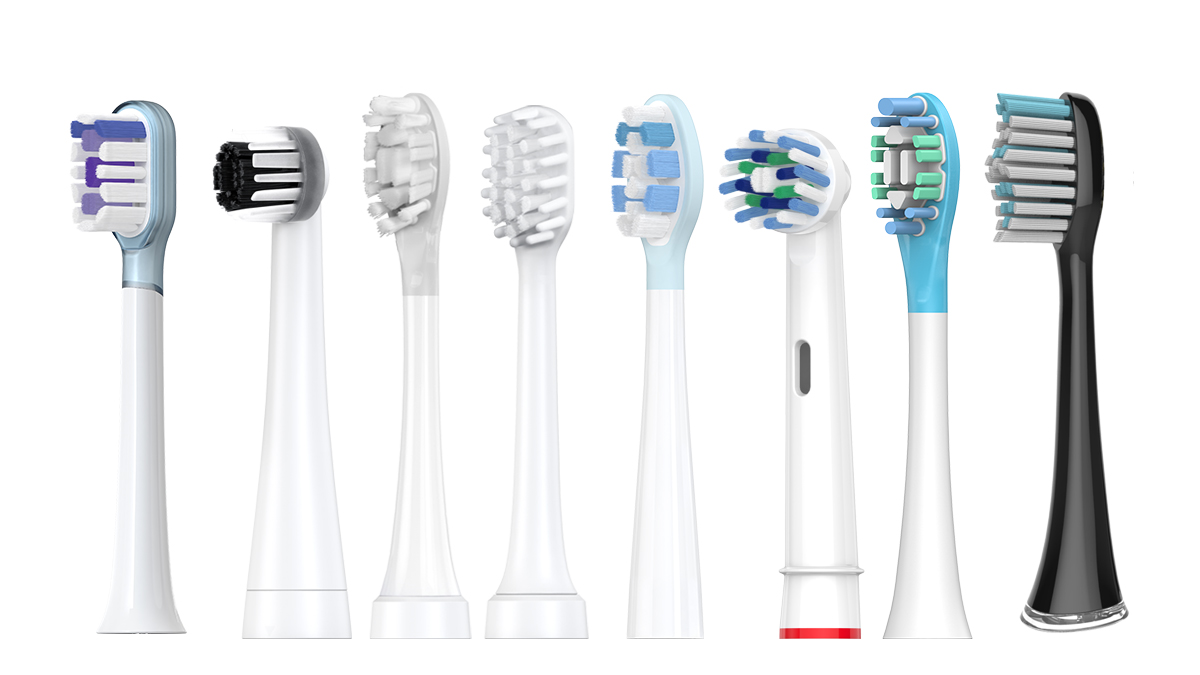
Custom Brush Heads
Customizable bristle color, hardness, length, curve, DuPont® filament options, and premium interdental layouts.
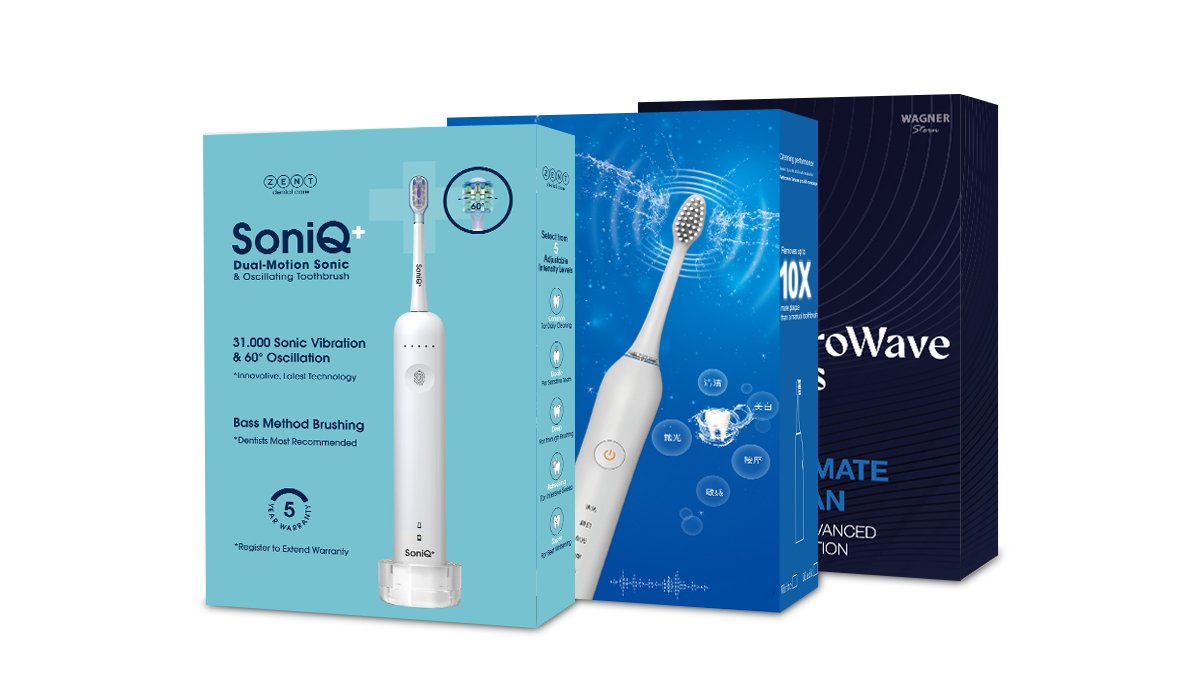
Custom Retail Packaging
High-end retail boxes, inserts, hang tags, and finishes—optimized for Amazon, retail shelves, and subscription boxes.
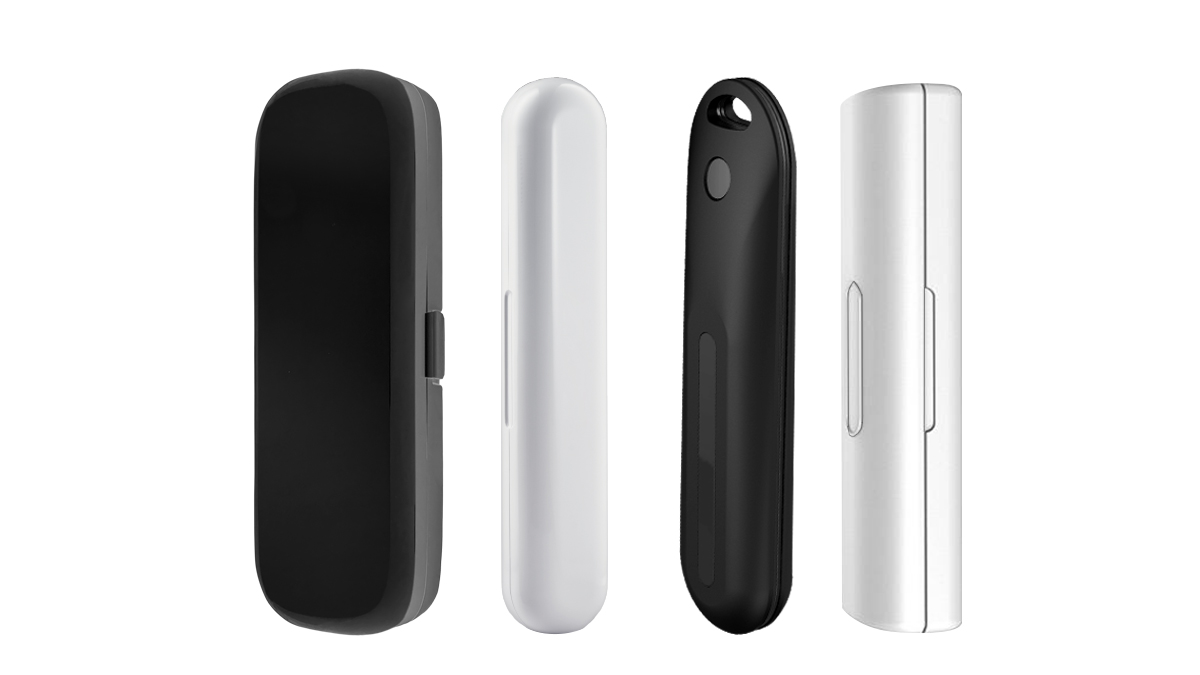
Custom Travel Case
Personalized sizes, materials, colors, and inserts—ideal for premium gift sets and bundles.
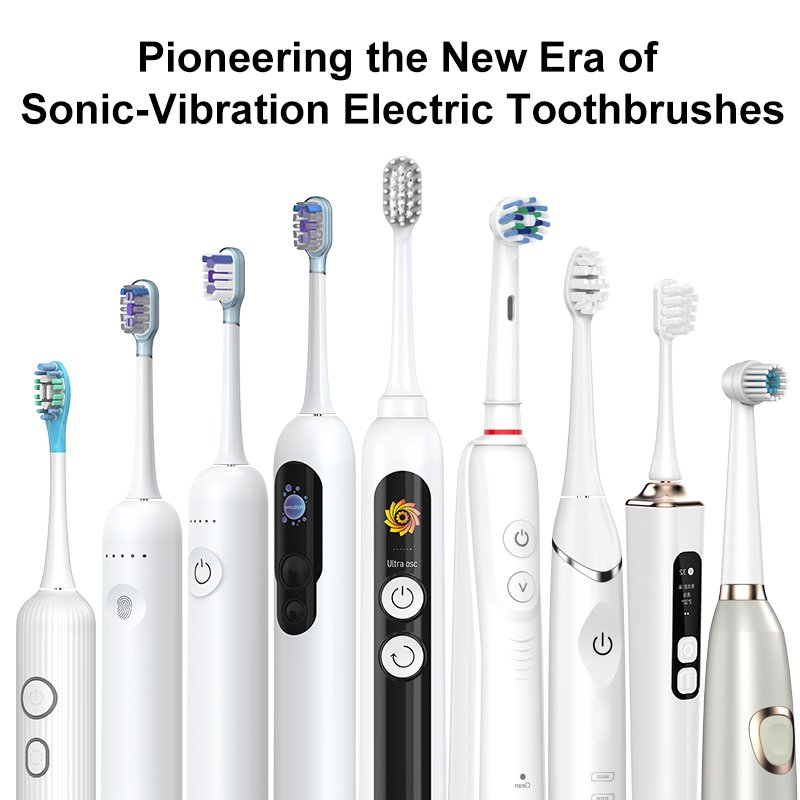


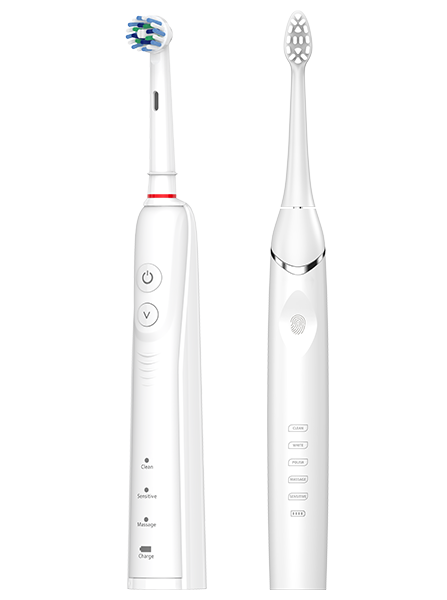


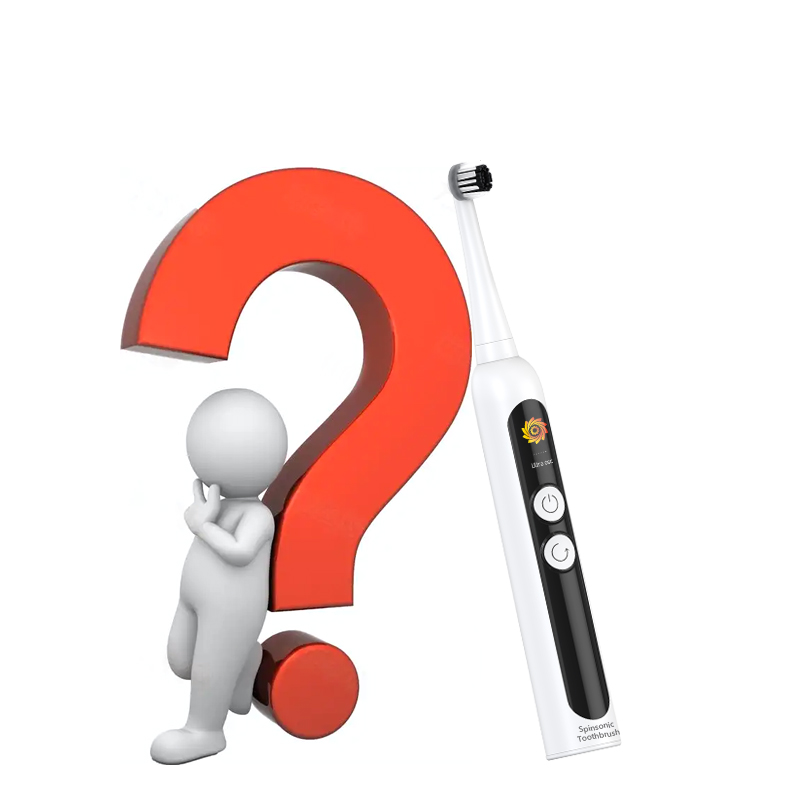
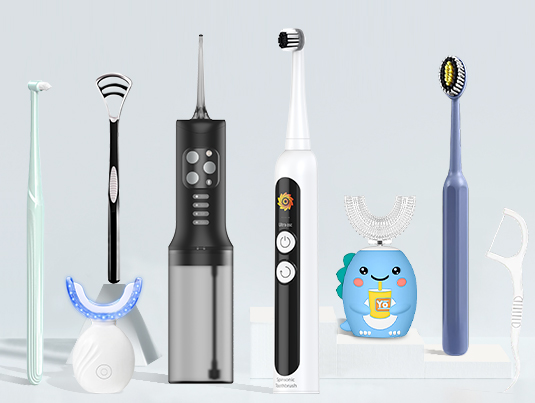
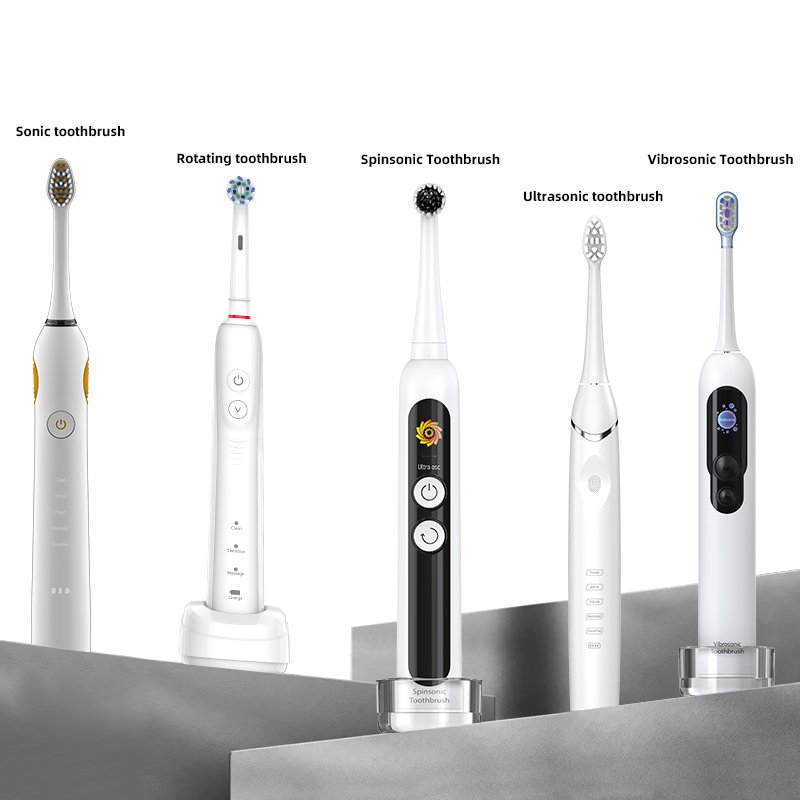 There are five main types of electric toothbrushes available today—each with distinct technologies and cleaning benefits. Understanding their differences can help you choose the one that best fits your oral care needs or product development goals.
1. Oscillating-Rotating Toothbrush
First introduced by Oral-B in 1990, the oscillating-rotating toothbrush was the first widely adopted electric model and remains a gold standard for clinical efficacy. It features a small, round brush head that alternately rotates clockwise and counter-clockwise, effectively breaking up plaque and reducing gingivitis risk.
Its compact head allows precise access to individual teeth, making it ideal for users seeking dentist-recommended mechanical cleaning. Most models operate at 8,000–10,000 rotations per minute.
2. Sonic Toothbrush
Sonic toothbrushes use high-frequency lateral vibrations—typically around 31,000 strokes per minute—to create dynamic fluid motion that cleans not only tooth surfaces but also between teeth and along the gumline. Unlike oscillating models, they feature elongated brush heads similar to manual toothbrushes, offering a familiar feel with enhanced performance.
The rapid side-to-side motion generates acoustic streaming, which helps dislodge debris even in hard-to-reach areas—making sonic brushes popular among general consumers and dental professionals alike.
3.Ultrasonic Toothbrush
Ultrasonic toothbrushes represent the most advanced cleaning technology. They use piezoelectric crystals to generate ultrasonic waves at frequencies of at least 20,000 Hz (2.4 million movements per minute)—far beyond what mechanical bristle motion alone can achieve.
Rather than relying solely on physical scrubbing, these brushes emit sound waves that disrupt bacterial biofilm at a microscopic level. The bristles may move minimally (or not at all), yet still deliver deep cleaning through energy transmission. Ideal for sensitive gums or post-dental-surgery care, though often priced at a premium.
4.Vibrosonic™ Toothbrush (Innovative Hybrid Technology)
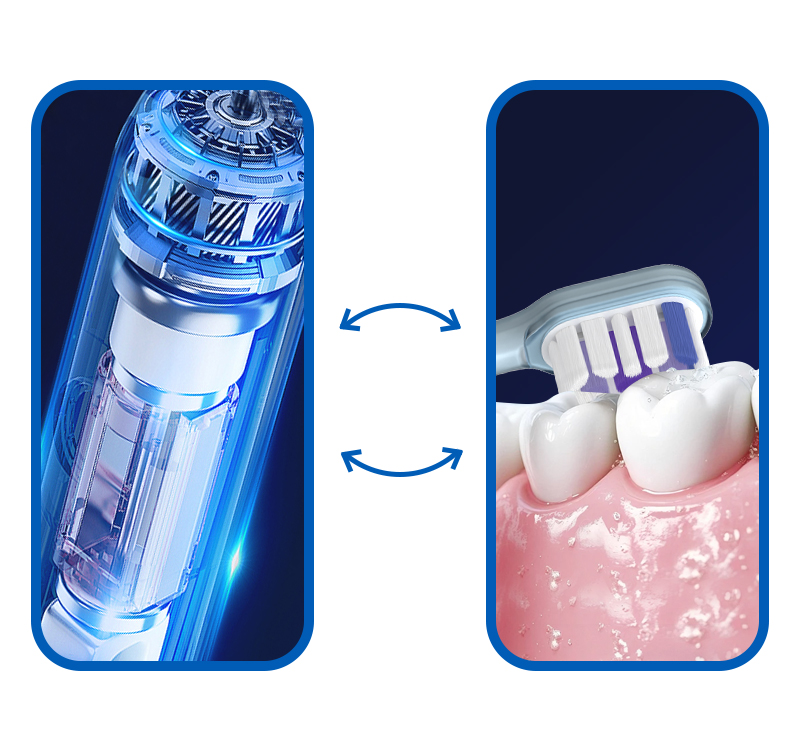
A breakthrough in oral care engineering, the Vibrosonic™ toothbrush combines the best of both worlds: sonic vibration + vertical oscillation.
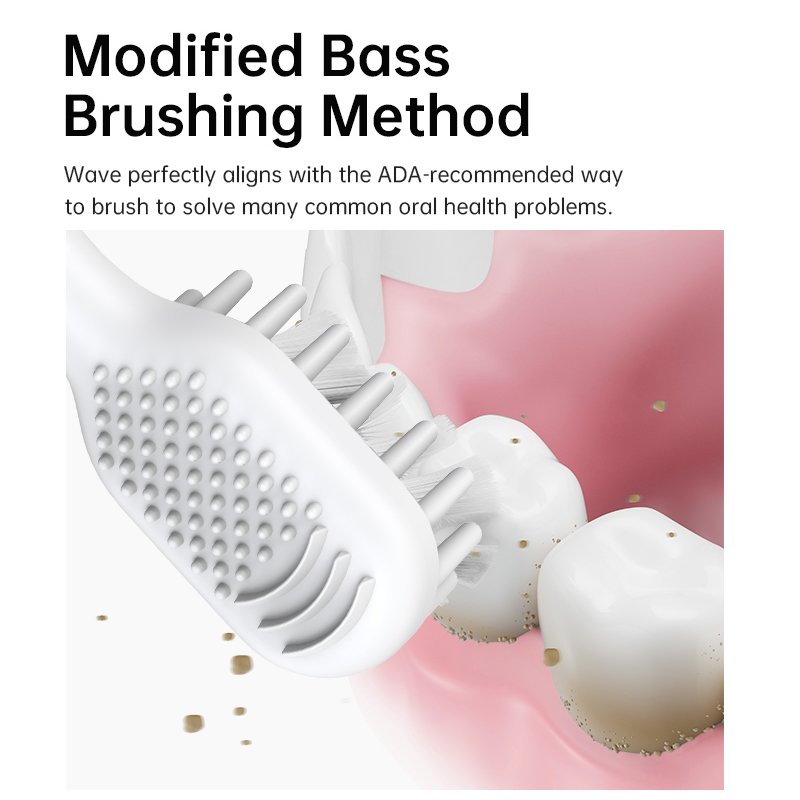
It delivers high-frequency lateral motion (like a sonic brush) while simultaneously adding a gentle 15°–60° vertical sweep, mimicking the Bass brushing technique recommended by dentists. This dual-action motion enhances plaque removal along the gumline while being exceptionally gentle on soft tissues—perfect for adults and children alike.
5.Spinsonic™ Toothbrush (World’s First 3-in-1 Technology)
The next evolution in smart brushing, the Spinsonic™ toothbrush integrates three cleaning modes in one:
Rotating (for targeted stain removal)
Sonic (for broad surface cleaning)
Vibrosonic (for gum health and interdental cleaning)
Powered by an intelligent servo sweep-frequency motor, it automatically recognizes the brush head and adjusts motion patterns in real time. With features like pressure sensing, LCD display, and ultra-quiet operation, it’s designed for premium private-label brands seeking cutting-edge differentiation.